
Understanding and Treating Tooth Sensitivity: A Comprehensive Guide
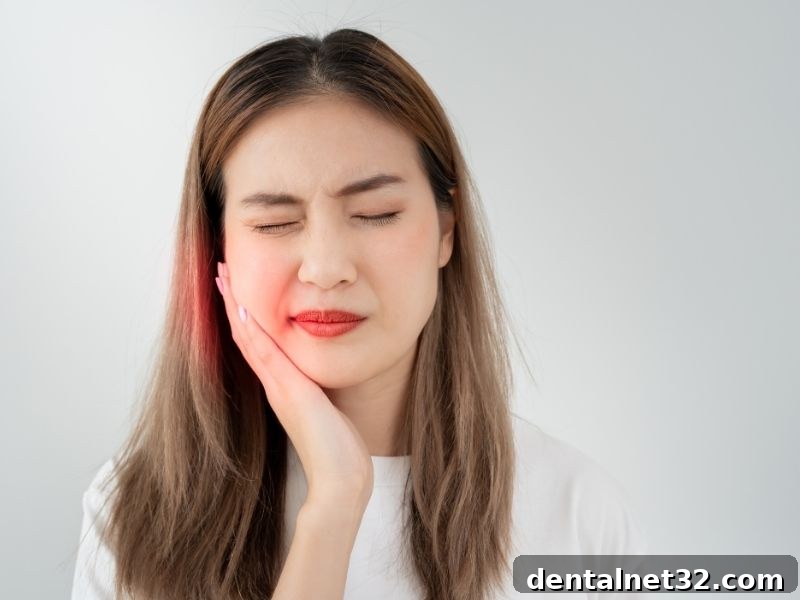
Do you ever feel a sudden, sharp jolt of pain in your teeth when you enjoy a scoop of ice cream or a sip of hot coffee? This common and uncomfortable sensation is known as tooth sensitivity. While often dismissed as a minor annoyance, it can sometimes signal an underlying dental issue that needs attention. This guide will delve deep into the world of tooth sensitivity, exploring its causes, effective treatments, and preventative measures to help you reclaim your comfort and enjoy your favorite foods and drinks without fear.
Tooth sensitivity, clinically referred to as dentin hypersensitivity, is characterized by short, sharp pain that arises from exposed dentin in response to certain triggers. These stimuli can be thermal (hot or cold), chemical (sweet or acidic), or tactile (touch from a toothbrush). Understanding why this happens is the first step toward finding a lasting solution.
The Anatomy of a Tooth: Why Sensitivity Occurs
To grasp the root cause of sensitivity, it’s helpful to understand the structure of your teeth. Each tooth has three main layers:
- Enamel: The hard, outermost layer that protects the more vulnerable parts of the tooth. It’s the strongest substance in the human body but is not immune to wear and tear.
- Dentin: The layer beneath the enamel. Dentin is softer and contains thousands of microscopic tubules, or channels, that lead directly to the tooth’s nerve center, the pulp.
- Pulp: The innermost part of the tooth, containing nerves and blood vessels.
Tooth sensitivity occurs when the protective enamel layer wears down or the gum line recedes, exposing the underlying dentin. When this exposed dentin comes into contact with hot, cold, acidic, or sticky substances, the sensations travel through the tiny tubules directly to the nerve, triggering that familiar sharp pain.
Common Causes of Tooth Sensitivity Uncovered
The exposure of dentin can be attributed to a wide range of factors, from daily habits to specific dental conditions. Identifying the cause is crucial for effective treatment.
Aggressive Brushing or Hard-Bristled Toothbrushes
While brushing is essential for oral hygiene, doing it too forcefully or with a hard-bristled toothbrush can be counterproductive. This habit, known as “toothbrush abrasion,” can gradually wear away your tooth enamel and cause your gums to recede, exposing the sensitive dentin layer over time. Opting for a soft-bristled brush and using gentle, circular motions is key to protecting your teeth.
Gum Recession and Gum Disease
Your gums play a vital role in protecting the roots of your teeth, which are not covered by hard enamel. Gum disease, such as gingivitis or the more advanced periodontitis, causes inflammation and can lead to the gums pulling away from the teeth. This recession exposes the root surfaces, which are covered by a softer layer called cementum, making them highly susceptible to sensitivity.
Enamel Erosion from Acidic Foods and Drinks
Frequent consumption of acidic foods and beverages is a primary contributor to enamel erosion. Items like citrus fruits, soda, wine, coffee, and even tomato sauce can slowly dissolve your tooth enamel. When the enamel thins, it leaves the dentin underneath exposed and vulnerable. To mitigate this, try consuming acidic items in moderation, using a straw for drinks, and rinsing your mouth with water afterward.
Teeth Grinding (Bruxism)
Many people unconsciously clench or grind their teeth, especially during sleep. This condition, known as bruxism, exerts immense pressure on your teeth. Over time, this constant grinding can wear down the enamel, leading to sensitivity and even cracked or chipped teeth. If you suspect you grind your teeth, a custom-fitted nightguard from your dentist can provide crucial protection.
Cracked or Chipped Teeth
A crack, chip, or fracture in a tooth can create a direct pathway from the outside world to the sensitive dentin or even the tooth’s nerve. These cracks can be microscopic and hard to see, but they are large enough to allow hot, cold, or sugary stimuli to cause pain. Repairing the tooth with a filling, bonding, or a crown is necessary to seal the crack and resolve the sensitivity.
Recent Dental Procedures and Teeth Whitening
It’s common to experience temporary tooth sensitivity after certain dental treatments like professional cleanings, fillings, crown placements, or extractions. This is usually due to temporary inflammation of the pulp. Similarly, teeth whitening products, particularly those containing peroxides, can cause temporary sensitivity by increasing the porosity of the enamel. This type of sensitivity typically subsides within a few days or weeks.
Temporomandibular Disorder (TMD)
Disorders affecting the temporomandibular joint (TMJ), which connects your jaw to your skull, can sometimes manifest as tooth sensitivity. Inflammation or misalignment in the jaw joint can put pressure on surrounding nerves, leading to pain that radiates to the teeth. This is often exacerbated if bruxism is also present.
Finding Relief: Effective Treatments for Tooth Sensitivity
The good news is that tooth sensitivity is highly treatable. The best approach depends on the underlying cause and severity of your condition. Here are some of the most effective solutions available.
In-Office and At-Home Treatments
- Desensitizing Toothpaste: This is often the first line of defense. These toothpastes contain compounds like potassium nitrate or stannous fluoride, which work either by blocking the pathways in the dentin that lead to the nerve or by numbing the nerve itself. Consistent use over several weeks is typically needed to see results.
- Fluoride Treatments: Your dentist can apply a professional-grade fluoride gel, foam, or varnish to your teeth. Fluoride helps to strengthen tooth enamel and remineralize weakened areas, reducing the transmission of sensations and making your teeth more resistant to acid attacks.
- Dental Bonding or Sealants: If sensitivity is caused by exposed root surfaces, your dentist may apply a tooth-colored bonding resin or sealant to cover and protect these vulnerable areas. This provides an immediate physical barrier against painful stimuli.
- Custom Mouthguard: For sensitivity caused by teeth grinding, a custom-fitted mouthguard worn at night is essential. It creates a protective barrier between your upper and lower teeth, preventing further enamel wear.
- Root Canal Therapy: In severe and persistent cases where other treatments have failed and the tooth’s nerve is severely irritated or damaged, a root canal may be recommended. This procedure removes the nerve from the tooth’s pulp, eliminating the source of the pain entirely.
Prevention Is Key: Lifestyle Changes to Protect Your Teeth
Beyond specific treatments, adopting healthy habits can prevent tooth sensitivity from developing or worsening. Small changes in your daily routine can make a significant difference in preserving your enamel and gum health.
- Use a Soft-Bristled Toothbrush: Always choose a toothbrush labeled “soft” and replace it every three to four months.
- Practice Gentle Brushing: Avoid scrubbing your teeth. Instead, use gentle, circular motions and hold the brush at a 45-degree angle to your gums.
- Limit Acidic Foods and Drinks: Reduce your intake of soda, citrus, and other acidic items. When you do indulge, use a straw and rinse your mouth with plain water afterward. Wait at least 30 minutes before brushing to allow your enamel to re-harden.
- Don’t Skip Dental Check-Ups: Regular visits to your dentist for cleanings and exams are crucial for identifying and addressing issues like gum disease, cavities, or bruxism before they lead to sensitivity.
- Stop Smoking: Smoking is a major risk factor for gum disease, which can lead to gum recession and sensitive teeth. Quitting can significantly improve your oral and overall health.
When to See a Dentist
While mild tooth sensitivity can often be managed at home, it’s important not to ignore persistent or severe pain. You should schedule a dental appointment if your sensitivity is new, doesn’t improve with desensitizing toothpaste, or is so severe that it affects your ability to eat and drink comfortably. A thorough dental examination can pinpoint the exact cause of your discomfort and ensure you receive the most appropriate and effective treatment to protect your smile for years to come.