
High Blood Pressure Medication and Swollen Gums: Understanding the Connection
Starting a new medication to manage high blood pressure is a crucial step toward protecting your cardiovascular health. While these medications are highly effective, some can come with unexpected side effects. One of the more surprising ones is a change in your oral health, specifically sore, swollen, or overgrown gums. If you’ve noticed this change, you’re not alone, and it’s essential to understand why it’s happening and what you can do about it.
This comprehensive guide will explore the link between certain high blood pressure drugs and gum problems, explain the underlying causes, and provide an actionable plan for managing your oral health while protecting your heart. Taking control of this side effect is possible with the right knowledge and a collaborative approach with your healthcare team.
What Are Calcium Channel Blockers and How Do They Work?
To understand why your gums might be affected, it’s helpful to first understand the medication responsible. High blood pressure, or hypertension, often requires medication to keep it under control. One of the most commonly prescribed classes of drugs for this condition is calcium channel blockers (CCBs).
Your blood vessels are lined with smooth muscle cells. For these muscles to contract and tighten the blood vessels, they need calcium to enter the cells. When blood vessels tighten, your blood pressure increases. Calcium channel blockers work by preventing, or “blocking,” calcium from entering these cells in your heart and blood vessel walls. As a result, the blood vessels relax and widen, making it easier for blood to flow through, which in turn lowers your blood pressure.
Common examples of calcium channel blockers include:
- Amlodipine (Norvasc)
- Nifedipine (Procardia, Adalat)
- Verapamil (Calan, Verelan)
- Diltiazem (Cardizem, Tiazac)
While highly effective for managing hypertension and other cardiovascular conditions, these medications are the primary culprits behind a specific type of gum swelling.
The Link Explained: Why Do CCBs Cause Gum Swelling?
The medical term for this condition is drug-induced gingival overgrowth or gingival hyperplasia. It’s a condition where the gum tissue grows excessively. While the exact mechanism isn’t fully understood, research suggests that calcium channel blockers can have an unintended effect on specific cells in your gums called fibroblasts.
Fibroblasts are responsible for producing collagen, the fibrous protein that gives your gum tissue its firm structure. It’s believed that CCBs can disrupt the normal function of these cells, causing them to overproduce collagen. This excess collagen builds up, leading to gums that become thick, firm, and enlarged. It’s important to note that this is not an infection or a sign of cancer; it is a cellular reaction to the medication.
The severity of gingival overgrowth can vary greatly from person to person. Some individuals may experience only mild puffiness, while others can develop severe overgrowth where the gums begin to cover the teeth entirely. Local factors, like the presence of dental plaque, can significantly worsen the condition.
Identifying the Symptoms of Gingival Overgrowth
The onset of symptoms can be gradual, sometimes taking several months after starting the medication to become noticeable. The changes typically begin in the front part of the mouth (the anterior gums). Here are the key signs to watch for:
- Enlarged or Swollen Gums: Your gums may look puffy and larger than usual.
- Firm and Dense Texture: Unlike the swelling from gingivitis, which is often soft and tender, medication-induced overgrowth usually feels firm, dense, and rubbery to the touch.
- Lumpy or Pebbly Appearance: The surface of the gums may lose its smooth appearance and look lumpy.
- Gums Growing Over Teeth: In more advanced cases, the gum tissue can expand to the point where it partially or fully covers the crowns of your teeth.
- Minimal Bleeding: Initially, the overgrown tissue may not bleed easily, although secondary inflammation from trapped plaque can cause bleeding later on.
- Difficulty with Oral Hygiene: The overgrowth can make it physically difficult to brush effectively and nearly impossible to floss between teeth.
The Dangers of Ignoring Swollen Gums
While you might be tempted to ignore mild gum swelling, doing so can lead to more significant dental problems. The overgrowth creates “pseudo-pockets” between the gums and teeth. These deep crevices are perfect breeding grounds for harmful bacteria.
When you can’t clean these areas properly, plaque and tartar build up rapidly. This leads to a cascade of issues:
- Increased Risk of Gingivitis and Periodontitis: The trapped bacteria will cause inflammation (gingivitis), and if left untreated, this can progress to periodontitis—a serious gum infection that damages the soft tissue and destroys the bone that supports your teeth.
- Tooth Decay: Plaque buildup against the tooth surface under the overgrown gums dramatically increases your risk of cavities.
- Tooth Loosening and Loss: As periodontitis destroys the underlying bone, your teeth can become loose and may eventually need to be extracted.
- Functional Problems: Severe overgrowth can interfere with chewing, speaking, and proper alignment of your teeth.
- Aesthetic Concerns: The appearance of your smile can be significantly affected, which may impact your confidence.
Your Action Plan: What to Do About Medication-Induced Gum Swelling
If you suspect your blood pressure medication is causing your gums to swell, it’s crucial to take action. Follow this step-by-step plan for the best outcome.
Step 1: Do NOT Stop Your Medication
This is the most important rule. Your blood pressure medication was prescribed for a life-sustaining reason. Suddenly stopping it can lead to a dangerous spike in blood pressure, increasing your risk of a stroke or heart attack. Never alter your dosage or stop taking your medication without direct guidance from the doctor who prescribed it.
Step 2: Schedule a Dental Examination
Your first call should be to your dentist or a periodontist (a gum specialist). They can perform a thorough examination to confirm that the swelling is indeed drug-induced gingival overgrowth and not caused by other issues like poor oral hygiene or a dental abscess. They will assess the severity and check for any secondary problems like periodontitis.
Step 3: Facilitate Communication Between Your Dentist and Doctor
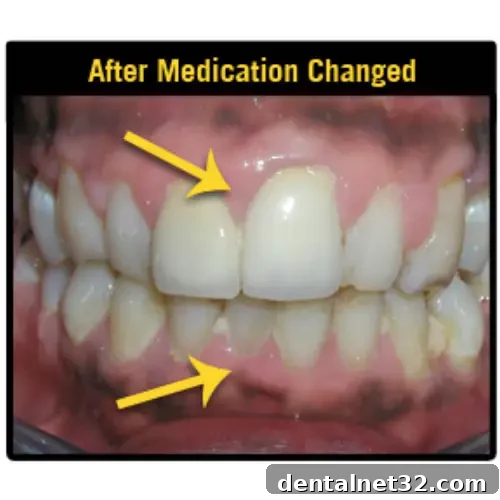
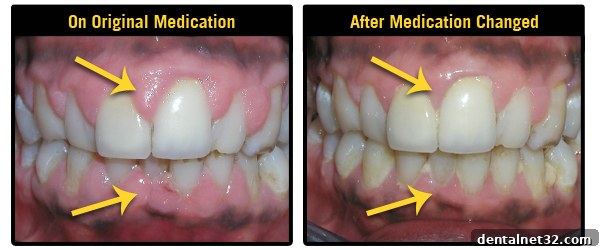
Once your dentist has diagnosed the condition, they can communicate their findings to your prescribing physician. A letter from the dentist explaining the oral side effect provides the medical context your doctor needs to make an informed decision. For example, a periodontist in Atlanta, Dr. Michael Quinn, treated a patient with severe gum overgrowth caused by a CCB. After Dr. Quinn contacted the patient’s physician and explained the situation, the medication was changed. Within just two months, the patient’s gum tissue had returned almost to normal, allowing for effective treatment of the remaining periodontal issues.
Step 4: Discuss Medication Alternatives with Your Doctor
With the information from your dentist, your doctor can determine if switching your medication is a safe and viable option. There are many other classes of blood pressure medications, such as ACE inhibitors, ARBs, or beta-blockers, that do not typically cause gingival overgrowth. Your doctor will choose the best alternative based on your overall health profile.
Treatment and Long-Term Management
Managing swollen gums often involves a two-pronged approach: addressing the cause and treating the symptoms.
- Medication Change: For many patients, switching to a different blood pressure drug is the most effective solution. The gum swelling often subsides or resolves completely within a few months of stopping the offending medication.
- Meticulous Oral Hygiene: Whether you can switch medications or not, impeccable oral hygiene is non-negotiable. This helps control the plaque buildup that exacerbates the condition. Your hygienist may recommend special tools like interdental brushes or a water flosser to clean hard-to-reach areas.
- Professional Cleanings: Regular deep cleanings (scaling and root planing) are essential to remove plaque and tartar from below the gum line.
- Surgical Treatment (Gingivectomy): If the overgrowth is severe or doesn’t resolve after a medication change, a minor surgical procedure called a gingivectomy may be necessary. In this procedure, a periodontist carefully removes the excess gum tissue, restoring a normal gum contour and making it possible to clean your teeth effectively.
Other Oral Side Effects of Cardiovascular Drugs
Gingival overgrowth isn’t the only oral health issue to watch for. Many cardiovascular drugs, including diuretics and beta-blockers, can cause other side effects.
Dry Mouth (Xerostomia): Reduced saliva flow is a very common side effect. Saliva is your mouth’s natural defense system; it helps wash away food particles and neutralize the acids produced by plaque bacteria. Without enough saliva, your risk for cavities, gum disease, and mouth infections increases significantly. Sipping water, chewing sugar-free gum, and using over-the-counter saliva substitutes can help manage dry mouth.
Altered Taste (Dysgeusia): Some medications can leave a metallic or bitter taste in your mouth or change how food tastes. This is usually temporary, but if it affects your nutrition, you should discuss it with your doctor.
Your Heart and Smile: A Partnership in Health
Your oral health and cardiovascular health are more closely linked than you might think. The medication you take to protect your heart can impact your smile, and the health of your gums can affect your entire body. The key is proactive management and open communication. Don’t dismiss changes in your mouth as unimportant. By working closely with both your doctor and your dentist, you can successfully manage your blood pressure without sacrificing your oral health, ensuring a healthy heart and a confident smile for years to come.