
What’s the difference between tooth damage and surface wear?
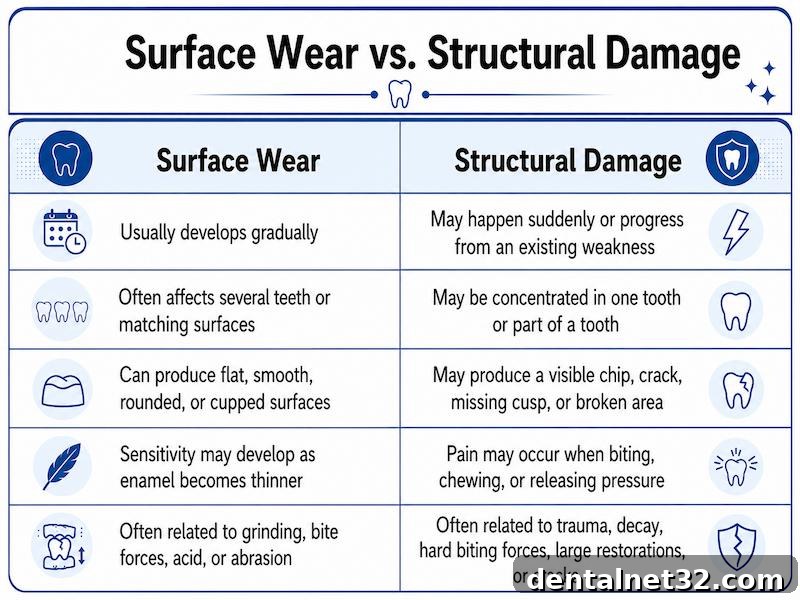
Structural tooth damage and surface wear can both alter the shape, appearance, and strength of your teeth, but they represent different issues with different causes and treatment needs. Surface wear refers to the slow loss of enamel or dentin from repeated friction, aggressive brushing, habitual grinding, or exposure to acids. Structural damage, by contrast, means a localized defect such as a chip, crack, fracture, or a weakened cusp that compromises the integrity of the tooth.
These two problems can occur independently or together. Teeth that have lost significant enamel from wear become more prone to chipping and cracking, and a small structural flaw can accelerate further loss of tooth material. A careful dental assessment is essential to determine whether the change you see is simple wear, a structural problem, or a combination that requires treatment.
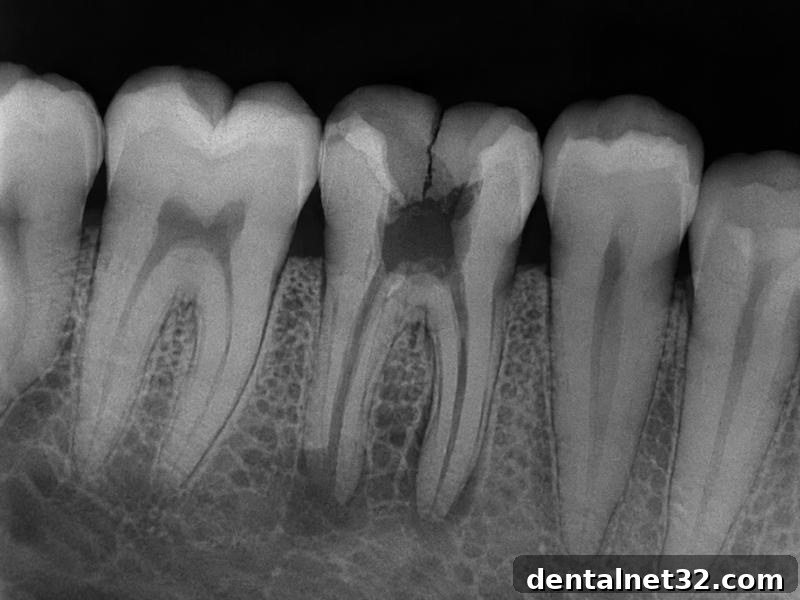
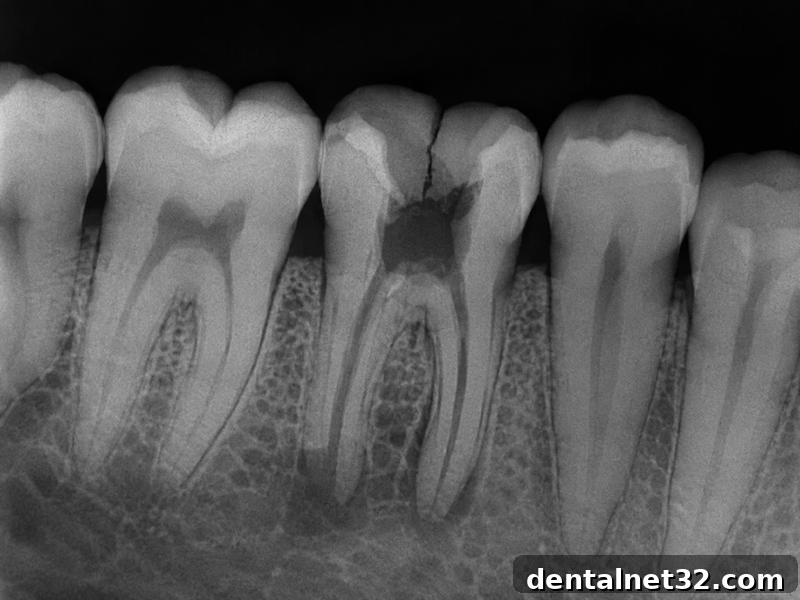
From a simple glance in the mirror it can be hard to tell what’s happening. A tooth that appears a little shorter or flatter may be worn from long-term habits, or it may have a small fracture causing the same visual change. Wear tends to be more generalized and gradual, while structural damage is often sudden or localized. Accurate diagnosis relies on examining the pattern of change, considering your dental history and habits, and sometimes using diagnostic imaging.
Dental teams evaluate the tooth condition, your bite, symptoms such as sensitivity or pain, and the progression of any changes before recommending monitoring or treatment tailored to the problem.
What Is Considered Surface Wear on Teeth?
Surface wear means the gradual loss of the tooth’s outer mineralized layers. Over time, enamel and sometimes dentin thin out, making teeth look smoother, flatter, shorter, or more translucent at the edges. Because this process is often slow, many people only notice changes once they become more advanced.
Dentists study where and how the tooth structure is wearing to identify the likely cause and to determine whether wear is actively progressing or has stabilized.
Attrition From Tooth-to-Tooth Contact
Attrition results from repeated contact between opposing teeth. Nighttime grinding and daytime clenching are common contributors. A misaligned bite that concentrates pressure on a few teeth can also cause pronounced attrition. Signs include flattened chewing surfaces, shortened front teeth, and matching wear facets where upper and lower teeth meet.
Erosion From Acid Exposure
Erosion occurs when acids dissolve mineral content from the tooth surface. These acids can come from foods and beverages or from stomach acid in conditions such as reflux. Eroded enamel often appears smooth, glossy, rounded, or “cupped.” As erosion progresses and dentin becomes exposed, teeth may become more sensitive to temperature and touch.
Abrasion From External Forces
Abrasion is tooth wear caused by external physical forces other than opposing teeth. Aggressive toothbrushing, abrasive toothpastes, repeated use of objects like toothpicks, or certain oral habits can produce characteristic notches or grooves, often near the gumline or along exposed root surfaces. Using a soft-bristled brush and gentle technique reduces the risk of brushing-related abrasion.
- Overly forceful brushing or incorrect technique
- Use of abrasive toothpaste or whitening products without guidance
- Repeated friction from habits or oral devices
- Mechanical wear from fingers, pens, or other objects
What Is Structural Tooth Damage?
Structural damage is a localized problem where part of the tooth has been compromised by a chip, crack, fracture, or major loss of supporting structure. Unlike general wear, structural issues often cause a tooth to fail under normal chewing forces or to produce intermittent pain.
Common examples include a chipped front tooth, a fractured cusp around a large filling, hairline cracks that extend from the chewing surface, teeth weakened by extensive decay, or restoration failures that leave a portion of the tooth unsupported.
- Chipped enamel or broken edges
- Fractured cusps adjacent to restorations
- Cracks that may extend toward the root
- Teeth weakened by decay or trauma
- Restorations that have failed and left the tooth vulnerable
A cracked tooth can appear normal externally while causing sharp or intermittent pain during chewing or sensitivity to hot and cold. Because symptoms may be subtle or inconsistent, routine dental exams are important to catch structural problems before they worsen.
How Can You Tell Tooth Wear From a Crack or Fracture?
It is difficult to make a reliable distinction between generalized wear and a crack by appearance alone. The timing of symptoms and the pattern of change provide clues: rapid onset or a single incident suggests structural damage, while gradual, symmetrical changes more often indicate wear. However, a dental exam—sometimes with X-rays or other diagnostics—is necessary to confirm the cause and plan appropriate care.
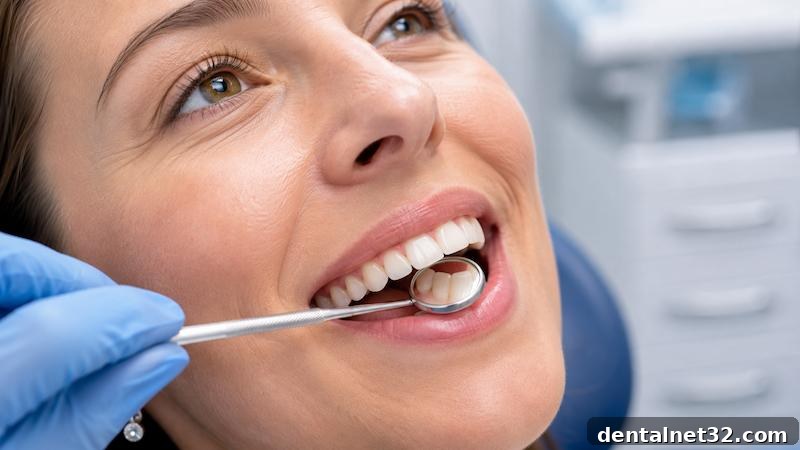
A thorough dental assessment compares wear patterns across the mouth, inspects teeth and restorations, evaluates your bite, and reviews your history, including habits like grinding and any recent injuries.
- Comparison of wear across teeth and mouth
- Inspection of individual teeth and existing restorations
- Assessment of bite alignment and occlusal forces
- Dental X-rays when indicated
- Consideration of symptom timing, triggers, and progression
When Does Surface Wear Need Dental Treatment?
Not all surface wear requires restoration. The priority is to determine whether the wear is active and what is causing it, and to assess how much tooth structure has been lost. Early-stage wear can sometimes be managed conservatively with monitoring and preventive measures.
When Monitoring and Prevention May Be Enough
Mild wear may be addressed by stopping the cause and protecting teeth from further damage. Management strategies can include using a nightguard for grinding, modifying brushing habits, reducing acidic food and drink exposure, and adjusting bite-related forces when appropriate. Regular checkups allow the dentist to track wear and intervene if it progresses.
When Restorative Treatment May Be Recommended
Restoration becomes more likely when wear affects function, exposes sensitive dentin, significantly alters tooth shape, or leaves insufficient structure in high-stress areas. Small worn areas can often be repaired with dental bonding or tooth-colored fillings. More extensive loss may require onlays, crowns, or other restorative solutions to restore strength, appearance, and chewing function.
How Is Structural Tooth Damage Treated?
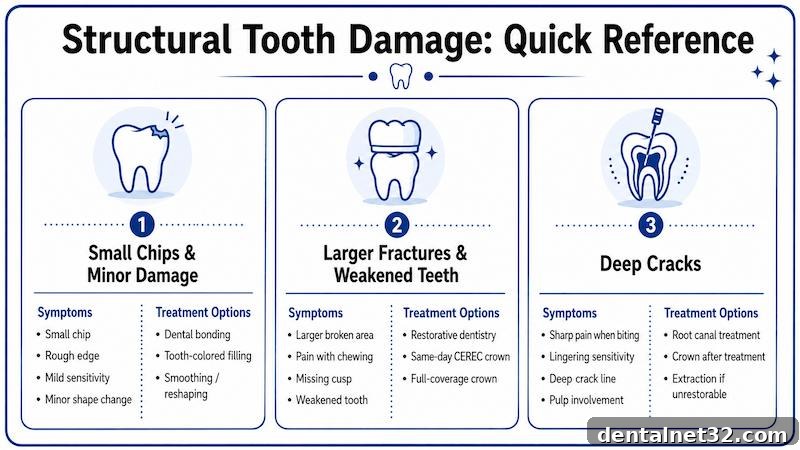
Treatment for structural damage depends on the size and depth of the defect and whether the tooth pulp is affected. Repairs range from simple fillings and bonding for small chips to crowns or onlays for larger fractures. If a crack reaches the pulp or causes infection, root canal therapy may be necessary. In some cases where a fracture is too extensive, extraction may be the only predictable option.
Small Chips and Minor Damage
Small chips can often be restored with bonding or a conservative filling material that blends with the tooth. This preserves tooth structure while restoring shape and function.
Larger Fractures and Weakened Teeth
Teeth with larger fractures or significant structural compromise usually benefit from protective restorations such as crowns or onlays. These restorations protect the remaining tooth and re-establish proper chewing surfaces and bite relationships.
Cracks That Reach Deeper Into the Tooth
When a crack involves the pulp or leads to recurrent symptoms and infection, root canal treatment followed by a protective crown is often required. Some fractures extend so far that the tooth cannot be reliably restored and must be removed.
When Should You Have a Worn, Chipped, or Cracked Tooth Checked?
Make an appointment if you notice a new chip or crack, pain when biting, sensitivity that increases, or a tooth that suddenly feels different when you close your mouth. After any trauma to the mouth, prompt evaluation is recommended. If you experience swelling, fever, severe pain, or other signs of infection, seek urgent dental care.
Get Teeth Evaluated by Experienced Dentists
A flattened edge, small chip, or sensitive spot may seem minor but can indicate an active process that risks further damage. The key questions are what caused the change and whether the tooth is stable. A thorough evaluation identifies the cause, determines the urgency of treatment, and outlines options to preserve tooth structure and comfort.
If you have noticed new wear, a chipped tooth, or discomfort when chewing, contact your dental provider for an examination and personalized recommendations. Early assessment helps prevent progression and preserves long-term oral health.
Office phone numbers for scheduling: Holly Springs — 919-600-6262; Cary — 919-467-2203.