

Since its introduction to the U.S. market in 2007, vaping has surged in popularity, becoming a widespread alternative to traditional smoking. By 2021, an estimated 4.5% of the American population, or roughly 30 million people, were active vapers. Many individuals switch from cigarettes to e-cigarettes under the belief that vaping is a significantly safer option. However, while it may be less harmful than combustible tobacco, the impact of vaping on oral health is a growing concern that warrants a closer look.
Educating our patients on topics that directly affect their dental well-being is a cornerstone of our practice. Understanding the potential risks associated with vaping is crucial for maintaining a healthy smile. This comprehensive guide will explore the mechanics of vaping, its specific effects on your teeth, gums, and mouth, the long-term consequences, and practical steps you can take to mitigate the risks to your oral health.
Understanding Vaping: How Do E-Cigarettes Work?
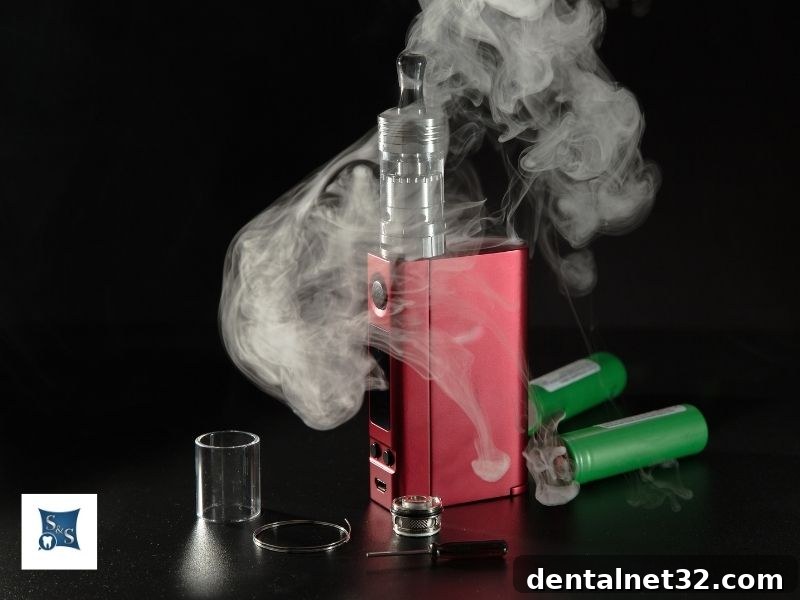
Vaping is the process of inhaling and exhaling an aerosol, often referred to as vapor, produced by an electronic cigarette (e-cigarette) or a similar device. These devices function by heating a liquid solution, known as e-liquid or vape juice, to the point of vaporization. This process is powered by a battery that heats a metal coil, turning the liquid into an inhalable aerosol. This mist typically contains nicotine, flavorings, and other chemicals suspended in a base of propylene glycol (PG) and vegetable glycerin (VG).
The Core Components of a Vaping Device
While designs vary, most vaping devices consist of four primary components that work in tandem to create the vapor:
- Battery: The power source of the device, which provides the electricity needed to heat the atomizer.
- Atomizer: This is the heating element. It contains the coil that gets hot and a wick (usually made of cotton) that soaks up the e-liquid.
- E-liquid Reservoir: Also known as a tank or pod, this component holds the e-liquid that will be vaporized.
- Mouthpiece: The part of the device through which the user inhales the aerosol.
Although many users vape for the nicotine, not all e-liquids contain it. However, the flavorings and other chemical additives can also pose their own set of health concerns, particularly for your oral tissues.
How Vaping Negatively Affects Your Teeth and Gums
While often marketed as a safer alternative to smoking, vaping is far from harmless. The aerosol you inhale passes directly over your teeth and gums, exposing them to a cocktail of chemicals that can have serious consequences for your oral health.
Increased Risk of Cavities and Tooth Decay
Recent studies, including a significant one from The Journal of the American Dental Association, have shown that vapers have a substantially higher risk of developing cavities. Several factors contribute to this increased risk:
- Dry Mouth (Xerostomia): One of the most common side effects of vaping is a reduction in saliva production. Saliva is your mouth’s natural defense mechanism, washing away food particles and neutralizing harmful acids. The propylene glycol in e-liquids is a primary cause of this dryness, leaving your teeth vulnerable to decay-causing bacteria.
- Sugary and Sticky E-Liquids: Many e-liquids get their appealing flavors from sugar-based additives. When vaporized, these sugars coat your teeth. Furthermore, the vegetable glycerin in the liquid is thick and sticky, helping plaque and bacteria adhere more strongly to your tooth enamel, accelerating the development of cavities.
- Altered Oral Microbiome: The chemical aerosol from vaping can disrupt the delicate balance of bacteria in your mouth. Studies suggest it can promote the growth of more aggressive, acid-producing bacteria while inhibiting the beneficial ones, creating an environment where tooth decay thrives.
Gum Disease and Chronic Inflammation
Your gums are particularly susceptible to the harmful effects of vaping. The chemicals in e-cigarette vapor can lead to significant gum-related problems:
- Gum Inflammation and Irritation: The aerosol can directly irritate the sensitive tissues of your gums, causing redness, swelling, and tenderness. This chronic inflammation is the first stage of gum disease, known as gingivitis.
- Reduced Blood Flow: If the e-liquid contains nicotine, it acts as a vasoconstrictor, meaning it narrows your blood vessels. This restricts blood flow to your gums, depriving them of the oxygen and nutrients needed to stay healthy. It also masks early signs of gum disease, like bleeding, giving a false sense of security while the underlying condition worsens.
- Gum Recession: Over time, the combination of restricted blood flow and chronic inflammation can cause the gums to pull away from the teeth, a condition known as gum recession. This exposes the sensitive tooth roots and can eventually lead to tooth loss.
The Impact of Vaping on Oral Soft Tissues
The damage from vaping isn’t limited to your teeth and gums. The soft tissues of your mouth, including your cheeks, tongue, and throat, are also at risk. The constant exposure to chemical vapor can cause a range of issues.
Irritation of the Oral Mucosa
The delicate lining of your mouth, known as the oral mucosa, can become irritated and inflamed from the heat and chemicals in vape aerosol. This can manifest as:
- Sore Throat and Mouth Ulcers: Many vapers report a persistent sore throat or the frequent development of painful mouth sores and ulcers.
- Vaper’s Tongue: A temporary loss of taste is a common phenomenon among vapers, believed to be caused by a film that forms on the tongue or overworked taste buds.
- Nicotine Stomatitis: In heavy users, white patches or lesions can appear on the roof of the mouth, a condition directly linked to the heat and chemicals from vaping or smoking.
Exploring the Risks of Mouth and Throat Cancer
While the long-term data on vaping and cancer is still emerging, the initial evidence is deeply concerning. E-cigarette aerosols contain known carcinogenic agents, including formaldehyde, acetaldehyde, and heavy metals like nickel and lead. Research has shown that these chemicals can cause DNA damage in oral cells, which is a critical step in the development of cancer. Anyone who vapes should be vigilant for early signs of oral cancer, such as a sore that doesn’t heal, a persistent lump, or a white or red patch inside the mouth.
Long-Term Consequences of Vaping on Oral Health
Because vaping is a relatively new habit, the full scope of its long-term consequences is not yet fully understood. However, dentists are already observing a clear pattern of increased dental problems among patients who vape. The cumulative effect of dry mouth, increased plaque, gum inflammation, and exposure to harmful chemicals suggests that long-term vapers may face a future with more frequent fillings, root canals, gum disease treatments, and even tooth loss.
How to Minimize Oral Health Risks from Vaping
The single most effective way to protect your oral health is to quit vaping. If you are struggling to quit, seeking support from a healthcare professional can significantly increase your chances of success. Resources like the 1-800-QUIT-NOW hotline can provide confidential guidance and support.
Essential Oral Hygiene Practices for Vapers
If you choose to continue vaping, adopting an impeccable oral hygiene routine is non-negotiable to counteract the increased risks. This is the minimum you should be doing:
- Brush Thoroughly: Brush your teeth at least twice a day for two full minutes with a fluoride toothpaste to fight cavities and remove sticky residue.
- Floss Daily: Flossing is crucial for cleaning between teeth and along the gumline, where the harmful effects of vaping are often concentrated.
- Stay Hydrated: Combat dry mouth by drinking plenty of water throughout the day. This helps rinse away bacteria and buffer acids. Chewing sugar-free gum can also help stimulate saliva flow.
- Schedule Regular Dental Check-Ups: Visiting your dentist every six months is essential. Professional cleanings remove hardened plaque (tartar), and regular exams allow your dentist to catch problems like cavities, gum disease, or suspicious lesions in their earliest, most treatable stages.
Schedule Your Dental Check-Up Today
Whether you vape, smoke, or simply want to ensure your smile stays healthy for life, regular dental check-ups are your best defense against oral health problems. During a comprehensive exam, our professional team can assess your unique situation, identify any issues potentially caused by vaping, and create a personalized plan to protect your teeth and gums. We are currently welcoming new patients. Contact our Holly Springs office at 919-600-6262 or our Cary office at 919-467-2203. You can also use our online contact form to schedule your next appointment.