
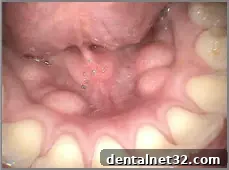
Have you ever run your tongue along the roof of your mouth or the inside of your lower jaw and discovered a hard, unmovable lump? This discovery can be alarming, often leading to immediate concern. However, in most cases, these bony bumps are a common and harmless condition known as oral tori. While they are typically benign, understanding what they are, why they form, and how they are managed is crucial for your peace of mind and overall oral health.
This comprehensive guide will delve into the world of oral tori, often called mouth bumps. We’ll explore their causes, different types, potential complications, and the available treatment options, providing you with the clear, reliable information you need to navigate this condition confidently.
What Exactly Are Oral Tori?
Oral tori (singular: torus) are benign, non-cancerous growths of excess bone that develop in the mouth. These growths, also known as exostoses, are composed of very dense, normal bone tissue. They typically emerge during late adolescence or early adulthood and are known for their extremely slow growth rate. Many people have tori for years without ever noticing them until they are pointed out by a dentist during a routine examination.
It’s essential to understand that tori are not tumors and do not have the potential to become malignant. They are simply an overgrowth of the existing bone structure of your jaws. Their size can range from a small, smooth elevation to a large, lobulated mass that can occupy a significant amount of space in the mouth. Despite their sometimes-imposing appearance, they are a harmless anatomical variation.
Understanding the Causes and Key Risk Factors
The precise cause of tori formation is not fully understood, but dental researchers and clinicians believe it’s a multifactorial condition influenced by several key factors. The most prominent contributing elements include:
- Genetic Predisposition: There is a strong hereditary component associated with tori. If your parents or other close relatives have them, you are significantly more likely to develop them as well. Research has shown that they are more prevalent in certain ethnic populations, further supporting a genetic link.
- Bruxism (Teeth Grinding and Clenching): The chronic and excessive force placed on the jawbones from bruxism is a major suspected cause. The theory is that the bone responds to this functional stress by laying down extra layers of bone to reinforce itself against the pressure. This is similar to how a muscle grows stronger with exercise.
- Masticatory Stress and Diet: Heavy chewing forces, whether from a diet rich in hard, coarse foods or powerful jaw muscles, can stimulate bone growth. The constant, intense pressure on the jaw during chewing may trigger the development of tori over time.
- Dental Occlusion: The way your upper and lower teeth meet (your bite or occlusion) can also play a role. A misaligned bite can create abnormal pressure points on specific areas of the jaw, potentially stimulating localized bone growth in those areas.
The Different Types of Oral Tori
Oral tori are classified based on their location within the mouth. There are three primary types, each with its own distinct characteristics:
Torus Palatinus (Palatal Tori)
This is the most common type of torus. It appears as a bony growth along the midline of the hard palate (the roof of the mouth). A torus palatinus can vary in shape and size; it may be flat, broad, spindle-shaped with a central ridge, or nodular with multiple lobes. It is found more frequently in women than in men.
Torus Mandibularis (Mandibular Tori)
This type develops on the inner side (lingual surface) of the lower jaw, typically in the area of the premolars. Torus mandibularis is often bilateral, meaning it appears on both the left and right sides of the mouth simultaneously. While they can occur as a single growth, they frequently present as multiple, smaller bony lumps. Their prevalence is roughly equal between men and women.
Buccal Exostoses
Less common than the other two types, buccal exostoses are bony growths that form on the outer surface (cheek side) of the jawbone, usually on the upper jaw (maxilla) in the molar region. They can appear as small, smooth nodules along the gumline.
When Can Tori Become a Problem?
For the vast majority of individuals, tori are asymptomatic and require no intervention. They are simply a unique feature of their oral anatomy. However, in certain situations, these bony growths can lead to complications or challenges:
- Interference with Dentures: This is the most common reason for tori removal. Large tori can make it impossible to fabricate a properly fitting denture or other removable oral appliance. The growth can act as a fulcrum, causing the denture to rock, leading to instability, discomfort, and painful sore spots (ulcers).
- Chronic Irritation and Ulceration: The gum tissue stretched over the bony prominence of a torus is thin and has a limited blood supply. This makes it highly susceptible to injury from hard or sharp foods, such as chips, crusty bread, or bones. These injuries can be painful and slow to heal.
- Oral Hygiene Difficulties: Depending on their size and location, tori can make it challenging to effectively brush and floss. They can create areas where food particles and plaque accumulate, potentially increasing the risk of gum disease or inflammation.
- Speech and Eating Impairment: While rare, extremely large tori can interfere with normal oral function. A very large torus palatinus may affect the tongue’s movement and placement, causing difficulties with speech, while a large torus mandibularis can obstruct the floor of the mouth.
Diagnosis and Professional Consultation
Diagnosing oral tori is typically straightforward for a dental professional. During a routine clinical exam, your dentist can identify them based on their characteristic hard, bony feel and their typical locations. They are unmovable and have a solid structure that is easily distinguished from other soft-tissue growths. In some cases, a dental X-ray may be taken to confirm the bony nature of the growth and rule out other underlying issues, but this is often not necessary for diagnosis.
While it can be tempting to self-diagnose using online resources, it is always best to have any new or concerning lump in your mouth evaluated by a dentist to ensure an accurate diagnosis and rule out more serious conditions.
Treatment: The “Watchful Waiting” Approach vs. Removal
The standard approach to managing tori is “watchful waiting.” Since they are harmless, if they are not causing any problems, no treatment is needed. Your dentist will simply monitor them during your regular check-ups to note any changes in size.
However, when tori do cause significant issues, surgical removal may be recommended. The procedure is performed by an oral surgeon or a dentist with advanced surgical training. During the procedure, an incision is made in the gum tissue to expose the excess bone. The surgeon then carefully reduces the bony growth using a specialized surgical drill before smoothing the area and suturing the gums back into place. Recovery typically involves some swelling and discomfort for a few days, managed with pain medication and a soft diet. While the procedure is generally safe and effective, it is only recommended when absolutely necessary.
Living Comfortably with Oral Tori
If you have tori that don’t require removal, a few simple strategies can help you manage them and maintain excellent oral health:
- Practice Meticulous Oral Hygiene: Use a soft-bristled toothbrush and be gentle but thorough when cleaning around the tori. A water flosser or an angled toothbrush can help clean hard-to-reach areas.
- Be Mindful of Your Diet: Exercise caution when eating very hard, sharp, or crunchy foods to avoid injuring the delicate tissue covering the tori.
- Address Bruxism: If you grind or clench your teeth, talk to your dentist. A custom-fitted night guard can protect your teeth and may help prevent the tori from growing larger due to the reduced stress on your jaw.
- Maintain Regular Dental Visits: Regular check-ups are essential for monitoring your tori and ensuring your overall oral health is in top condition.
In conclusion, discovering a bony bump in your mouth can be unsettling, but understanding that it is likely a harmless torus can provide significant relief. These common bony growths are benign and usually require no treatment. The key is to seek a professional diagnosis from your dentist. They can confirm the nature of the growth, address your concerns, and advise you on the best course of action—whether it’s simply monitoring the area or discussing options for removal. With proper knowledge and routine dental care, you can manage tori effectively and maintain a healthy, comfortable smile.