
The Future is Now: 9 Dental Innovations Transforming Your Smile and Health
The world of dentistry has undergone a breathtaking transformation over the past quarter-century. Gone are the days when a visit to the dentist was associated with discomfort and purely reactive treatments. Today, the field is driven by remarkable technological advancements and a profound shift towards preventive, patient-centric care. These innovations have not only enhanced the effectiveness of treatments but have also dramatically improved the patient experience, making dental care more comfortable, efficient, and aesthetically pleasing than ever before. From discreetly straightening teeth to replacing them with lifelike implants, modern dentistry is empowering people to achieve and maintain optimal oral health. Let’s explore nine of the most significant breakthroughs that are shaping the future of smiles.
1. Clear Aligners: The Invisible Revolution in Orthodontics
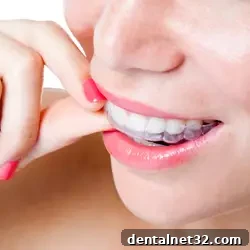
For decades, the only path to a straighter smile was through a mouthful of metal braces. While effective, they often brought a sense of self-consciousness, especially for adults in professional settings. The invention of clear aligners, popularized by brands like Invisalign, completely changed the orthodontic landscape. These custom-made, transparent plastic trays are virtually invisible, allowing patients to straighten their teeth discreetly.
The process begins with a precise 3D digital scan of your mouth, eliminating the need for messy traditional impressions. This digital model is used to create a series of aligners, each designed to make slight, incremental adjustments to your teeth’s position. Patients wear each set for about one to two weeks before moving on to the next, gradually guiding their teeth into perfect alignment. Beyond aesthetics, clear aligners offer practical advantages. They are removable, meaning you can eat, drink, brush, and floss as you normally would, promoting better oral hygiene throughout the treatment period. This innovation has made orthodontic care accessible and appealing to millions of adults and teens who previously would have avoided it.
2. Advanced Dental Implants: A Permanent Solution for Missing Teeth
Losing a tooth used to mean choosing between a removable denture or a bridge that required altering adjacent healthy teeth. Dental implant technology has provided a superior, permanent solution. A dental implant is a small, biocompatible titanium post that is surgically placed into the jawbone, acting as a substitute for a natural tooth root. Over several months, a process called osseointegration occurs, where the jawbone fuses directly with the titanium post, creating an incredibly strong and stable foundation.
Once integrated, an abutment and a custom-crafted crown, bridge, or denture are attached to the implant. The result is a replacement tooth that looks, feels, and functions exactly like a natural one. Modern advancements have made the process faster and more predictable, with techniques like “same-day implants” becoming more common. More importantly, implants stimulate the jawbone, preventing the bone loss that naturally occurs when a tooth is missing. With a success rate of over 95%, dental implants represent the gold standard in tooth replacement, offering unparalleled durability and longevity.
3. Composite Restorations: The Art of Seamless Dental Fillings
The dark, metallic amalgam fillings of the past are quickly being replaced by a more aesthetic and healthier alternative: composite resin fillings. These tooth-colored restorations have expanded in use and improved in quality dramatically. Made from a durable mixture of plastic and fine glass particles, composite fillings are available in a wide spectrum of shades, allowing your dentist to perfectly match the color of your natural teeth. The result is a filling that is virtually indistinguishable from the surrounding tooth structure.
The benefits go beyond aesthetics. Unlike amalgam, which is packed into the cavity, composite resin is chemically bonded to the tooth. This bonding process strengthens the remaining tooth structure and creates a tighter seal, reducing the risk of future decay. Because they don’t contain mercury and require less removal of healthy tooth tissue for placement, composite fillings are considered a more conservative and biocompatible choice for repairing cavities and restoring teeth.
4. Digital Practice Management Software: Streamlining the Dental Experience
While not a clinical tool, the advent of sophisticated practice management software has fundamentally changed how dental offices operate, directly benefiting the patient. These integrated digital systems handle everything from scheduling and patient records to billing and insurance claims. This automation streamlines administrative tasks, minimizes human error, and frees up the dental team to focus more on what matters most: patient care.
For patients, this means a smoother experience from start to finish. Online appointment booking, automated text and email reminders that reduce missed appointments, and digital patient portals for accessing records and treatment plans are now standard. This technology also integrates seamlessly with digital imaging and X-rays, allowing for instant access to a patient’s complete dental history, leading to more accurate diagnoses and better-coordinated care.
5. High-Performance Power Toothbrushes: Superior Cleaning at Home
The evolution from a simple manual toothbrush to today’s advanced power toothbrushes marks a significant leap in at-home dental care. Modern electric toothbrushes utilize sonic or oscillating-rotating technology to generate thousands of brush strokes per minute, a feat impossible to achieve by hand. This powerful action is clinically proven to remove significantly more plaque and reduce gingivitis more effectively than manual brushing.
Many models are also equipped with smart features that actively improve brushing habits. Built-in two-minute timers ensure you brush for the dentist-recommended duration, while pressure sensors alert you if you’re brushing too hard, which can damage gums and enamel. These features help take the guesswork out of oral hygiene, empowering users to achieve a professional-level clean every day between dental visits.
6. Professional Teeth Whitening: Safe and Effective Smile Brightening
A bright, white smile is more sought after than ever, and teeth whitening technology has evolved to meet this demand safely and effectively. Professional whitening treatments, whether performed in-office or with a take-home kit from your dentist, use prescription-strength bleaching agents like hydrogen peroxide or carbamide peroxide to break down stains on the tooth’s surface and deep within the enamel.
In-office procedures can deliver dramatic results in just a single one-hour visit, often using a special light or laser to accelerate the whitening process. Modern formulations have also been developed to minimize tooth sensitivity, a common side effect of older methods. This cosmetic advancement has made it easy and convenient for people to reverse years of staining from coffee, tea, and other foods, restoring a youthful, confident glow to their smile.
7. The Shift to Preventive Dentistry: Proactive Care for Lifelong Health
Perhaps the most profound innovation is not a piece of technology, but a philosophical shift in the practice of dentistry itself. The focus has moved from a reactive model—treating problems like cavities and gum disease as they arise—to a proactive, preventive model. Dentists now emphasize patient education and early intervention to prevent issues before they start. This includes regular cleanings, fluoride treatments, and dental sealants to protect vulnerable teeth.
Furthermore, there is a much deeper understanding of the oral-systemic connection, recognizing that oral health is intrinsically linked to overall health. Periodontal (gum) disease, for example, is linked to conditions like heart disease, diabetes, and stroke. Dentists are now at the forefront of educating patients about these risks and are more proactive than ever in diagnosing and managing gum disease, starting with its earliest stage, gingivitis, to protect both your smile and your well-being.
8. Dental Loupes and Magnification: Seeing is Treating Better
Precision is paramount in dentistry, and you can’t treat what you can’t see. Dental loupes—specialized glasses with built-in magnification lenses—have become an essential tool for modern dentists and hygienists. These devices magnify the operating field by 2.5 to 8 times, providing a much larger and clearer view of a patient’s teeth and gums.
This enhanced vision allows for incredibly precise and minimally invasive procedures. Dentists can more easily detect tiny cracks, early-stage decay, and other subtle issues that would be missed by the naked eye. This leads to earlier diagnoses, higher quality restorations, and better long-term outcomes for the patient. It also improves ergonomics for the practitioner, reducing strain and allowing them to perform their best work.
9. Enhanced Patient Communication: A Partnership in Health
Technology has closed the communication gap between dentists and their patients. Beyond simple appointment reminders, digital tools now foster a stronger, more collaborative relationship. Secure patient portals allow individuals to view their treatment plans, ask their dentist questions, and access their health records at their convenience. Teledentistry has emerged as a viable option for initial consultations and follow-ups, saving patients time and travel.
Many practices also use social media and email newsletters to share valuable educational content about oral health, keeping their patients informed and engaged in their own care. This constant and convenient line of communication builds trust and empowers patients to be active partners in maintaining a healthy smile.
These nine innovations are just a glimpse into the dynamic world of modern dentistry. By embracing technology and prioritizing preventive care, dentists are providing a level of service that is more effective, comfortable, and personalized than ever before. If you’re ready to see how these advancements can help you achieve your best smile, consult with your dental provider today.