
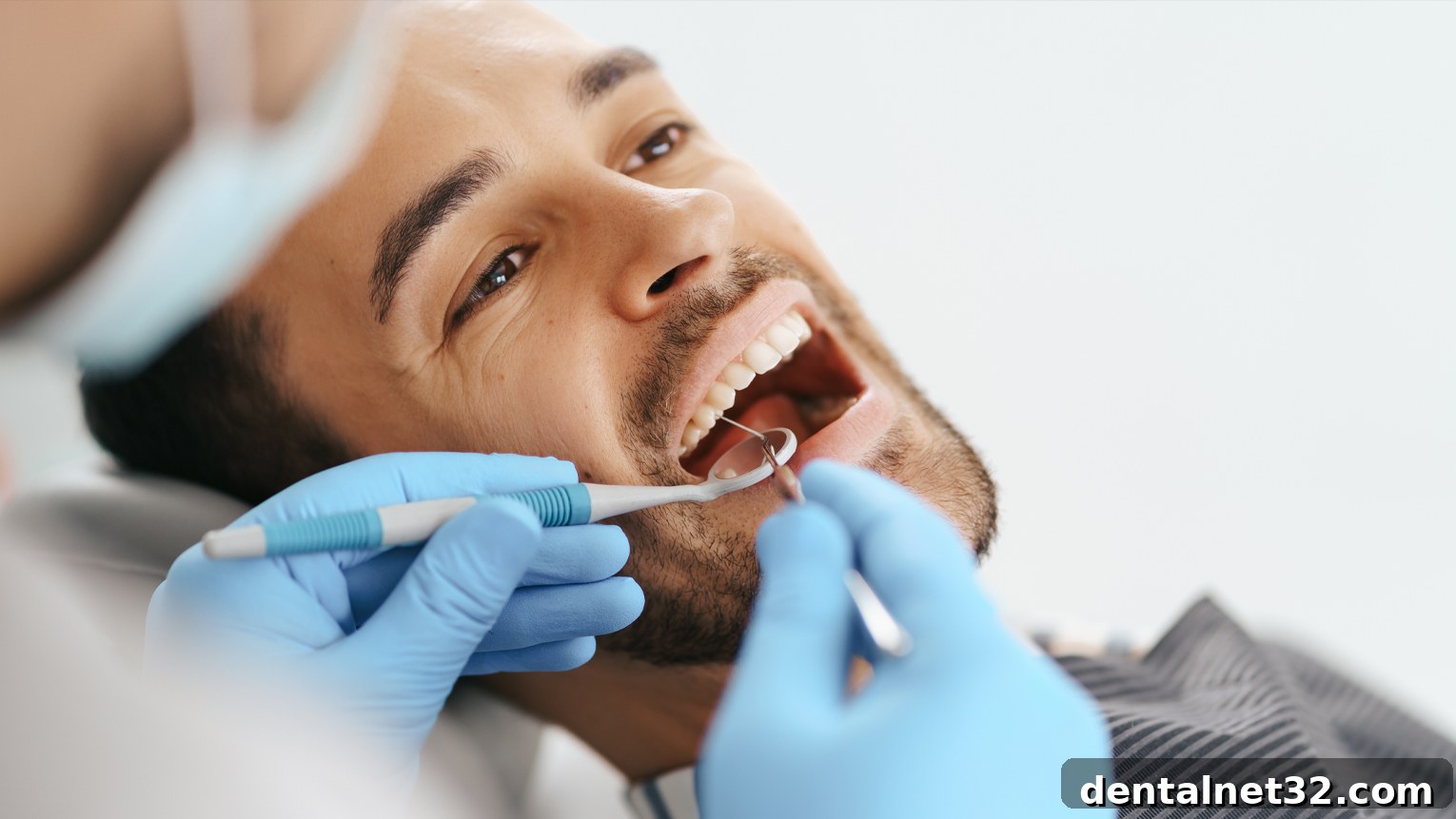
Cavities are common but largely preventable. Tooth decay happens when acids from plaque bacteria repeatedly remove minerals from enamel. With consistent daily care, fluoride use, mindful eating, and professional preventive measures, you can greatly reduce the chance of decay and protect your family’s smiles.
Brush twice a day with fluoride toothpaste
Brush for two minutes in the morning and again before bed. Fluoride strengthens enamel and helps remineralize very early mineral loss. Use the amount of toothpaste appropriate for age, and supervise young children until they can brush effectively without swallowing toothpaste. Choose a soft-bristled brush and replace it or the brush head when worn—typically every three months or sooner if bristles splay.
Clean between your teeth every day
A toothbrush alone cannot reach the tight contacts between teeth. Daily interdental cleaning—floss, interdental brushes, or another tool recommended by your dental team—removes plaque from the spaces where cavities and gum inflammation most often begin. Pick the tool that fits your mouth and use it consistently.
Reduce how often teeth are exposed to sugar
Frequency matters more than total amount. Each time you sip a sugary drink or eat a sweet snack, plaque bacteria produce acid that attacks enamel. Aim to keep treats with meals rather than grazing or sipping constantly throughout the day so teeth have time to recover between acid attacks.
Water is the best everyday drink. Be cautious with soda, sweet tea, sports drinks, energy drinks, and fruit juices, which can expose teeth to sugar and extra acid.
Make fluoride part of prevention
Fluoride from toothpaste and fluoridated water supports enamel and helps prevent decay. If your cavity risk is higher, your dentist may recommend professional fluoride applications or a prescription-strength home product. Discuss what level of fluoride protection is right for you or your child.
Ask about dental sealants
Sealants are thin protective coatings applied to the grooves of back teeth to block food and bacteria from hard-to-clean areas. They are commonly used for children and teenagers but can also benefit some adults. Ask your dentist whether sealants are appropriate for specific teeth.
Support saliva flow
Saliva washes teeth, supplies minerals for repair, and helps neutralize acids. Stay hydrated and drink water regularly. If you frequently have a dry mouth, tell your dentist—medications, medical conditions, tobacco use, and mouth breathing can reduce saliva. Management depends on the cause and may include hydration strategies, saliva substitutes, or medication adjustments through your physician.
Keep regular dental visits
Early decay often causes no pain. During dental exams and cleanings, your dental team can detect early signs of decay, remove hardened tartar, evaluate home-care habits, and recommend a recall schedule tailored to your risk. Regular preventive visits are one of the most effective ways to catch problems before they need major treatment.
Do not ignore early warning signs
Contact your dentist if you experience persistent sensitivity, tooth pain, a visible hole or dark spot, food trapping, a broken filling, or pain when biting. Addressing decay early usually allows simpler and less costly treatment with better long-term outcomes.
A simple family cavity-prevention checklist
- Brush morning and night with fluoride toothpaste.
- Clean between teeth once daily.
- Choose water for routine hydration.
- Limit frequent sugary snacks and drinks.
- Replace worn toothbrushes or brush heads regularly.
- Attend recommended preventive visits.
Preventive dentistry and pediatric dental care can help families establish age-appropriate routines and professional protections tailored to each child’s needs.
How often should you have dental X-rays?
X-ray timing depends on age, symptoms, past decay, current cavity risk, and examination findings. A patient with active disease or new symptoms may need imaging sooner than someone with a long history of stability. Dental X-rays can reveal decay between teeth or beneath restorations that isn’t visible on the surface. Your dentist should explain why any recommended image is useful for your care.
Who may need a more intensive prevention plan?
Certain people benefit from an enhanced prevention approach: those with recent cavities, dry mouth, exposed root surfaces, braces or extensive restorations, limited dexterity, or frequent sugar exposure. Some medications and medical treatments also affect saliva and eating patterns. Additional measures can include prescription-strength fluoride, more frequent professional monitoring, targeted dietary advice, and specialized cleaning aids.
How to protect teeth during orthodontic treatment
Brackets, wires, and clear aligners add surfaces where plaque can accumulate. Use the cleaning tools recommended by your orthodontist and dentist, clean aligners before reinserting them, and avoid trapping sweetened drinks under an aligner. White spots around brackets are an early sign of mineral loss—improving technique and increasing fluoride exposure can often prevent progression.
Preventing cavities around existing dental work
Fillings, crowns, and bridges do not make a tooth immune to new decay. Plaque can collect at restoration margins, and gum recession can expose root surfaces. Clean around bridges with a threader or interdental tool and keep regular professional exams so problems can be caught early.
What role does diet play beyond sugar?
Sticky, slowly dissolving carbohydrates tend to cling to teeth, while frequent acidic drinks contribute to enamel erosion. Tooth-friendly choices include cheese, plain yogurt, vegetables, nuts, and other nutrient-dense foods, but no single food substitutes for good hygiene and fluoride. Focus on reducing the frequency of acid-producing events and choosing snacks with meals rather than between them.
Common cavity-prevention myths
If a tooth does not hurt, it has no cavity
Early decay often causes no symptoms; pain is a late sign and should not be relied on as a screening method.
Baby teeth do not need treatment
Primary teeth are essential for eating, speech, development, and preserving space for permanent teeth. Disease in baby teeth can cause pain and infection and should be treated appropriately.
Brushing harder cleans better
Applying heavy pressure can irritate gums and wear tooth enamel. A gentle, thorough technique with a soft-bristled brush is more effective and safer for long-term oral health.
Build prevention around your actual risk
Someone with no recent decay may need a straightforward plan, while a person with dry mouth or multiple new cavities will require more intensive measures. Ask your dental team which specific findings put you at risk and which one or two changes would make the greatest difference. For children, pediatric dental services can support age-appropriate prevention alongside home routines.
Sources
- Centers for Disease Control and Prevention: About Cavities
- National Institute of Dental and Craniofacial Research: Tooth Decay