
Veneers vs. Crowns: Which Is the Right Choice for Your Smile?
Achieving a beautiful, confident smile is a goal for many. If you have teeth that are stained, chipped, misaligned, or damaged, you’ve likely explored cosmetic and restorative dental solutions. Two of the most effective and popular treatments are dental veneers and crowns. While both can dramatically transform your smile, they serve different purposes and involve distinct procedures.
Understanding the key differences between veneers and crowns is crucial for making an informed decision that aligns with your dental health needs, aesthetic goals, and budget. This comprehensive guide will explore everything you need to know about these two treatments, from their function and procedure to their durability and cost. Our experienced dentists in Locust, NC, are here to help you navigate your options and choose the path to your perfect smile.
What Are Dental Veneers? A Closer Look at Cosmetic Enhancement
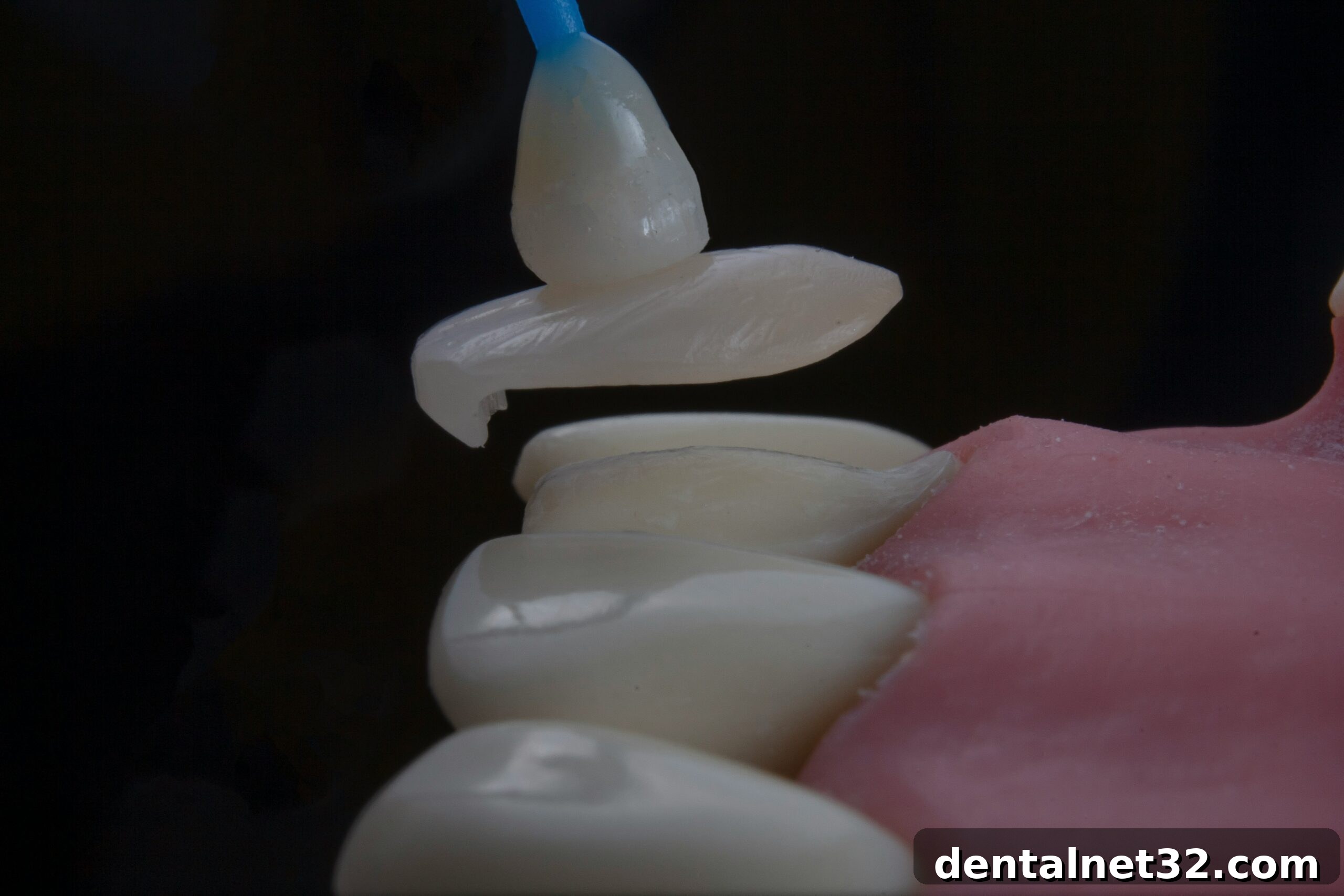
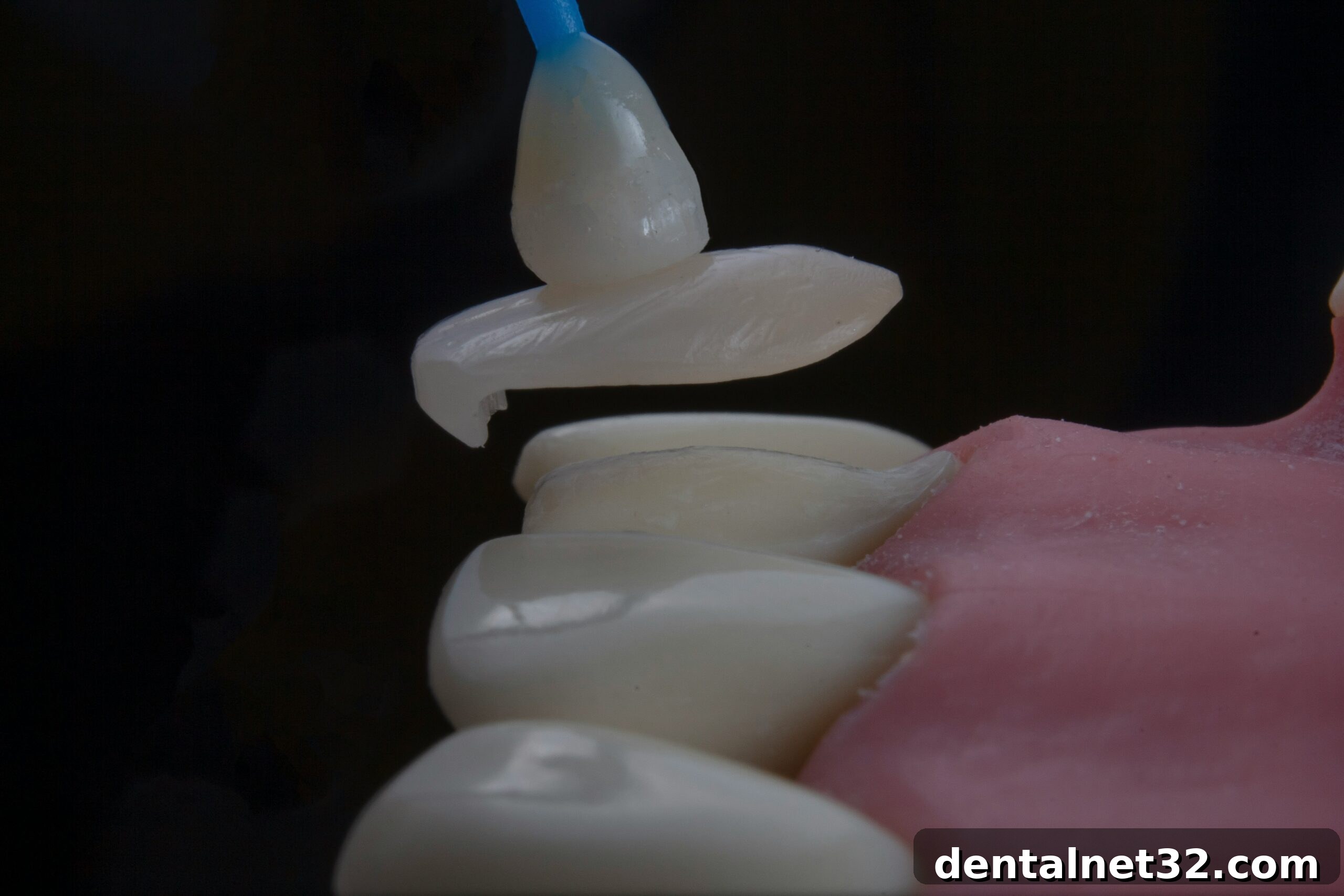
Dental veneers are ultra-thin, custom-made shells of tooth-colored material designed to cover the front surface of your teeth. Think of them as a permanent new “face” for your teeth. Their primary purpose is purely cosmetic—to improve the appearance of your smile by correcting a wide range of aesthetic imperfections.
Veneers are an excellent solution for addressing:
- Stubborn Discoloration: For stains that don’t respond to traditional teeth whitening, veneers provide a bright, white, and permanent solution.
- Chips and Cracks: Minor damage to the front of a tooth can be easily concealed with a veneer.
- Gaps and Spacing: Veneers can close small gaps between teeth without the need for orthodontics.
- Minor Misalignment: For slightly crooked or overlapping teeth, veneers can create the illusion of a perfectly straight smile.
- Irregular Shape or Size: Teeth that are too small, worn down, or irregularly shaped can be reshaped for a more uniform appearance.
Veneers are typically made from two materials: porcelain or composite resin. Porcelain veneers are renowned for their durability and stain resistance, and they masterfully mimic the light-reflecting properties of natural tooth enamel. Composite resin veneers are a more affordable, often single-visit option, but they are less durable and more prone to staining over time.
The Dental Veneer Procedure: A Step-by-Step Guide
The journey to getting veneers usually involves a few appointments. First, you’ll have a consultation to discuss your goals. Once you decide to proceed, the dentist will prepare the teeth by removing a very thin layer of enamel (about 0.5 millimeters) from the front surface. This step is crucial for ensuring the veneer fits flush with your other teeth and doesn’t look bulky. Because enamel is removed, the veneer procedure is considered irreversible.
After preparation, your dentist will take a precise impression or digital scan of your teeth. This model is sent to a dental laboratory where your custom veneers are meticulously crafted. You may be fitted with temporary veneers to protect your teeth while you wait. In your final appointment, the permanent veneers are bonded to your teeth using a special dental cement and cured with a high-intensity light, creating a strong and lasting bond.
What Are Dental Crowns? Restoring Strength and Function
Unlike a veneer that only covers the front of a tooth, a dental crown is a tooth-shaped “cap” that encases the entire visible portion of a tooth down to the gum line. Its primary purpose is restorative—to protect a weak, damaged, or decayed tooth, restoring its original shape, size, strength, and function. While crowns provide a significant aesthetic improvement, their main job is to save a tooth that might otherwise be lost.
A dental crown is often the recommended treatment for:
- Severe Tooth Decay: When a cavity is too large for a standard filling.
- Cracked or Broken Teeth: A crown holds a fractured tooth together and prevents further damage.
- Weakened Teeth: A tooth that has undergone a root canal is often brittle and requires a crown for protection.
- Large, Failing Fillings: When an old filling is large and needs replacement, a crown provides better structural support.
- Anchoring a Dental Bridge: Crowns are placed on the teeth adjacent to a gap to support a bridge.
- Covering a Dental Implant: A crown serves as the replacement tooth attached to a dental implant post.
Crowns are made from various durable materials, including all-porcelain (ceramic), porcelain-fused-to-metal (PFM), zirconia, and metal alloys like gold. The choice of material depends on the tooth’s location, the biting forces it endures, and aesthetic preferences.
The Dental Crown Procedure: A Comprehensive Overview
The crown procedure is more extensive than the veneer process. It typically begins with an X-ray to assess the health of the tooth’s root and surrounding bone. To prepare the tooth, your dentist will numb the area and then significantly reshape and reduce the tooth on all sides to make room for the crown.
An impression or digital scan is then taken of the prepared tooth and sent to a lab. A temporary crown will be placed to protect the tooth. Once your permanent crown is ready, you’ll return for a second visit. The dentist will remove the temporary crown, check the fit and color of the permanent one, and then securely cement it in place.
Veneers vs. Crowns: A Head-to-Head Comparison
To make the best decision, let’s break down the key differences between these two popular treatments.
Purpose: Cosmetic Enhancement vs. Structural Restoration
This is the most significant distinction. Veneers are a cosmetic choice. They are applied to relatively healthy teeth to improve their appearance. Crowns are a restorative necessity. They are used to repair and protect teeth that are structurally compromised.
Tooth Preparation: Minimal vs. Substantial
Veneers require only a small amount of enamel to be removed from the front of the tooth, preserving most of the natural tooth structure. Crowns require a much more substantial reduction of the entire tooth to accommodate the cap. This makes the crown procedure more invasive.
Durability and Lifespan
Both options are designed to be long-lasting. With proper care, porcelain veneers can last anywhere from 10 to 20 years. Dental crowns, because they cover the entire tooth and are made from robust materials, are generally more durable and can last from 15 to 30 years or even longer.
Cost and Insurance Coverage
The cost varies based on materials, location, and the complexity of the case. Generally, veneers and crowns can have a similar price per tooth. However, a critical difference lies in insurance coverage. Because veneers are almost always considered a cosmetic procedure, they are rarely covered by dental insurance. Crowns, being a medically necessary restorative treatment, are often partially or fully covered by insurance plans.
Making the Right Choice: Which Is Best for You?
So, how do you decide between front teeth crowns or veneers? The choice ultimately depends on the condition of your teeth and your primary goal.
You might be an ideal candidate for dental veneers if:
- Your teeth are structurally sound and healthy.
- Your goal is purely cosmetic—to improve color, shape, or alignment.
- The imperfections are located on the front surfaces of your teeth.
You will likely need a dental crown if:
- You have a large cavity, a significant crack, or a broken tooth.
- Your tooth has been treated with a root canal.
- You have a large, old filling that needs to be replaced.
- You grind your teeth severely (bruxism), as veneers may chip or break under pressure.
Your Smile Restoration Journey in Locust, NC

Choosing between veneers and crowns is a significant decision. At Locust Family Dentistry, our dedicated team, led by Dr. Zeitouni and Dr. Maxhuni, is committed to helping you achieve a smile that is both beautiful and healthy. We utilize state-of-the-art technology and a patient-centered approach to create customized treatment plans that meet your unique needs.
If you’re unsure which option is right for you, the first step is a comprehensive consultation. We will carefully examine your teeth, discuss your long-term dental goals, and review all your options, ensuring you have the clarity and confidence to move forward. Don’t let dental imperfections hold you back any longer. Schedule your consultation today and let us guide you toward the strong, healthy, and radiant smile you deserve.
Key Takeaways: Veneers vs. Crowns at a Glance
- Primary Function: Veneers are for cosmetic improvement, while crowns are for restoring a damaged tooth’s function and strength.
- Coverage: Veneers cover only the front surface of a tooth. Crowns cover the entire tooth.
- Tooth Preparation: Veneers require minimal enamel removal. Crowns require significant tooth reduction.
- Durability: Crowns are generally more durable and have a longer lifespan than veneers.
- Best Use Case: Choose veneers for aesthetic flaws on healthy teeth. Choose crowns for teeth that are weak, broken, or have extensive decay.