
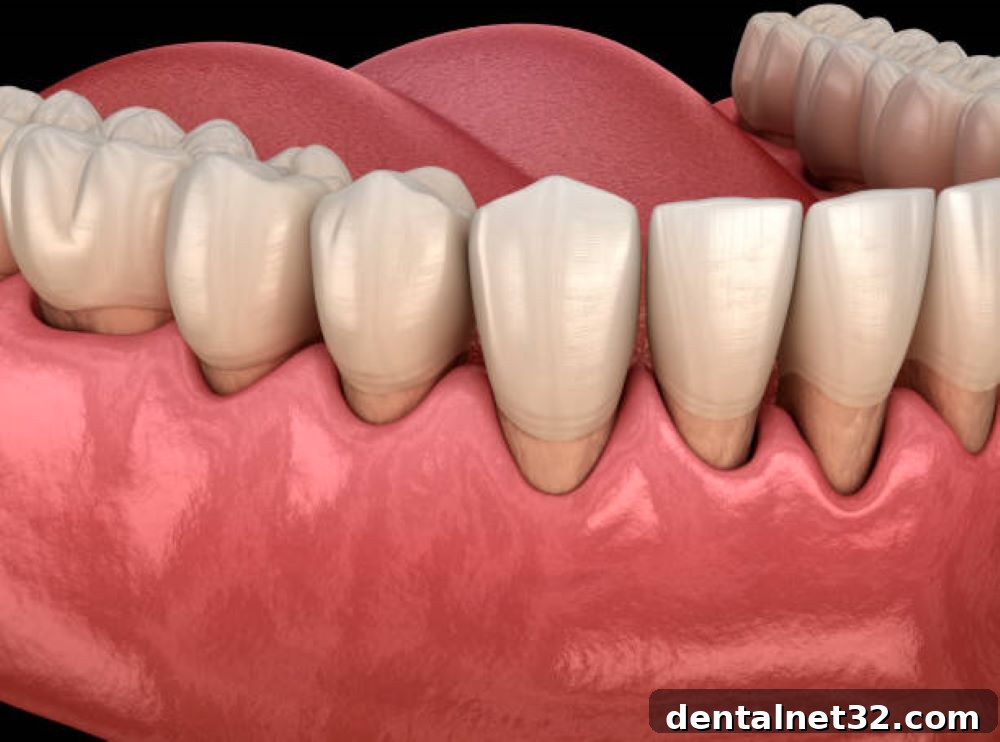
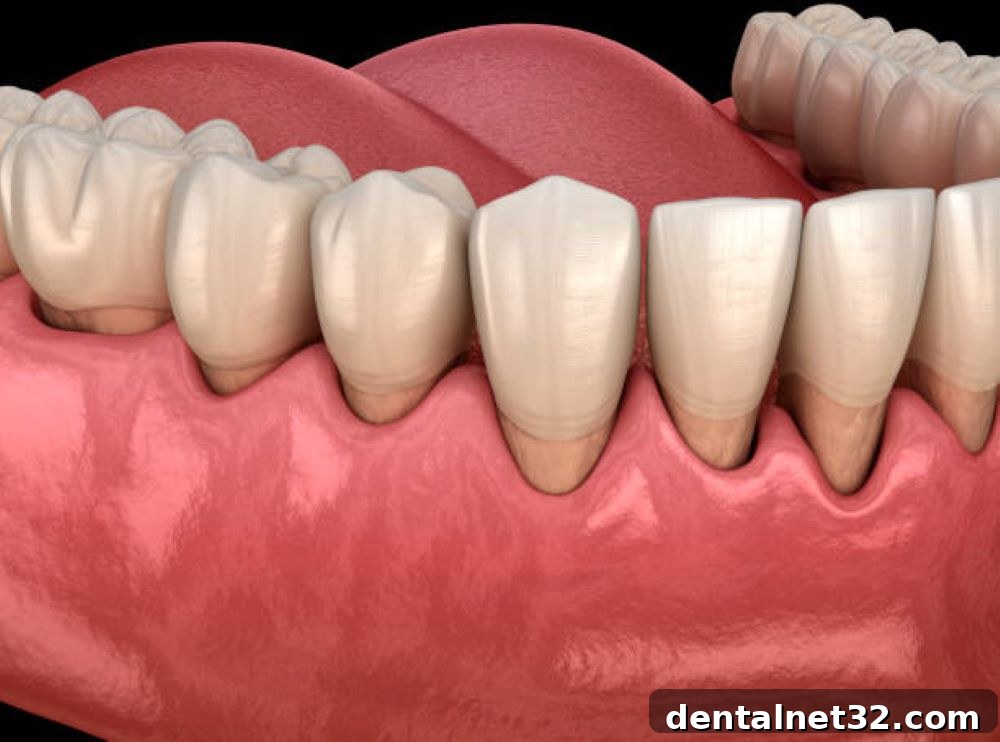
Have you ever looked in the mirror and noticed your teeth seem a bit longer than they used to? This common visual cue is often the first sign of receding gums, a dental condition known medically as gingival recession. While it might seem like a minor cosmetic issue at first, gum recession can lead to significant oral health problems if not addressed. As the protective gum tissue pulls away from the teeth, it exposes the sensitive roots, increasing your risk for tooth decay, sensitivity, and even tooth loss. Protecting your smile starts with understanding your gum health.
At Locust Family Dentistry, we specialize in identifying and treating receding gums in Locust, NC, helping our patients restore their oral health and confidence. Understanding the signs, causes, and available treatments is the first step toward a healthier smile. This comprehensive guide will walk you through everything you need to know about gum recession, from prevention at home to advanced clinical treatments that can restore your gum line.
What Exactly is Gum Recession?
Gum recession is a gradual process where the margin of the gum tissue that surrounds your teeth wears away or pulls back, exposing more of the tooth or its root. Think of your gums as the protective collar around your teeth. When this collar begins to shrink, it creates small pockets or gaps between the teeth and the gum line. These pockets become a perfect breeding ground for disease-causing bacteria. If left untreated, the buildup of bacteria can damage the supporting tissue and bone structures of your teeth, potentially leading to severe decay and eventually, tooth loss. As our expert dentists in Locust, Dr. Zeitouni and Dr. Maxhuni, often explain, healthy gums are the foundation of a healthy smile, and addressing recession early is key to preserving that foundation.
Key Signs and Symptoms of Receding Gums
Gum recession can be subtle at first, which is why many people don’t realize they have it until it becomes more advanced. Being aware of the early signs and symptoms can help you seek timely treatment. Several factors can contribute to this condition, including aggressive brushing habits, underlying periodontal disease, genetics, and even hormonal fluctuations. Here are the most common indicators you should watch for.
1. Visibly Longer Teeth
This is the most classic sign of gum recession. As the gum line recedes, more of the tooth’s surface becomes visible, creating the illusion that your teeth are growing longer. You may also notice that the exposed part of the tooth, the root, is a slightly different color—often more yellow—than the white enamel of the crown. This change in your smile’s appearance is a clear signal that it’s time for a dental check-up.
2. Bleeding or Inflamed Gums
Healthy gums should be firm, pink, and should not bleed when you brush or floss. If you notice blood on your toothbrush or floss, or if your gums appear red, swollen, and tender, it’s often a sign of gingivitis. Gingivitis is the earliest stage of gum disease and a leading cause of gum recession. This inflammation is your body’s response to plaque and bacteria accumulating along the gum line.
3. Increased Tooth Sensitivity
Do you feel a sharp, sudden pain when you eat or drink something hot, cold, sweet, or acidic? This heightened sensitivity is a tell-tale symptom of exposed tooth roots. The upper part of your tooth, the crown, is protected by hard enamel. However, the root is covered by a softer layer called cementum. When gums recede and expose this root surface, the nerve endings within the tooth are much more susceptible to external stimuli, causing significant discomfort.
4. Loose or Shifting Teeth
In more advanced stages of gum recession, you might notice that your teeth feel loose or that your bite has changed. This is a serious symptom indicating that the underlying bone and supportive tissues have been compromised by periodontal disease. Tooth mobility is a sign that the structural integrity of your smile is at risk, and you should seek immediate professional dental care to prevent tooth loss.
How to Effectively Prevent Gum Recession
The good news is that in many cases, gum recession is preventable. Adopting a proactive and consistent approach to your oral hygiene can make all the difference in maintaining healthy gums for a lifetime. Here are some of the most effective prevention strategies:
- Practice Gentle and Thorough Oral Hygiene: Brush your teeth twice a day for two full minutes with a soft-bristled toothbrush. Avoid aggressive, back-and-forth scrubbing, which can physically wear down your gum tissue. Instead, use gentle, circular motions. Don’t forget to floss daily to remove plaque from between your teeth and below the gum line.
- Attend Regular Dental Checkups: Schedule professional cleanings and exams at least twice a year. Your hygienist can remove hardened plaque (tartar) that you can’t get rid of at home, and your dentist can spot the early signs of gum recession or disease before they become serious problems.
- Eat a Gum-Healthy Diet: A balanced diet supports your entire body, including your gums. Foods rich in vitamin C (like citrus fruits, broccoli, and peppers) are essential for gum health. Limit your intake of sugary and acidic foods and drinks, which fuel the bacteria that cause plaque.
- Quit Tobacco Products: Smoking and chewing tobacco are major risk factors for gum disease. Tobacco use restricts blood flow to the gums, impairing their ability to heal and fight off infection, making you far more susceptible to gum recession.
- Address Teeth Grinding: If you clench or grind your teeth (a condition called bruxism), the excessive force can put a strain on your gums. Your dentist can create a custom nightguard to protect your teeth and gums while you sleep.
What Are the Best Treatments for Gum Recession?
If you already have gum recession, don’t worry—there are several highly effective treatment options available. The best approach will depend on the cause and severity of your condition. After a thorough examination, your dentist will recommend a personalized treatment plan.
- Scaling and Root Planing (Deep Cleaning): For mild cases of recession caused by gum disease, this non-surgical procedure is often the first line of defense. It involves carefully cleaning plaque and tartar from above and below the gum line (scaling) and then smoothing out the tooth roots (planing). This helps the gums reattach more firmly to the teeth.
- Gum Grafting Surgery: This is the most common and predictable method for treating significant recession. In this surgical procedure, a small piece of tissue is taken from the roof of your mouth or a donor source and is carefully stitched over the exposed root. This covers the sensitive root, reduces the risk of further decay, and restores a healthy, natural-looking gum line.
- Regenerative Procedures: In cases where bone loss has occurred along with gum recession, a regenerative procedure may be necessary. This involves placing a biocompatible membrane, graft material, or tissue-stimulating protein in the affected area to encourage your body to naturally regenerate lost bone and tissue.
- The Pinhole® Surgical Technique (PST): This is a revolutionary, minimally invasive alternative to traditional grafting. Instead of using a scalpel and sutures, the dentist makes a tiny pinhole in the gum tissue. Special instruments are then used to gently loosen and reposition the existing gum tissue to cover the exposed roots. PST offers a faster recovery with less discomfort.
- Orthodontic Treatment: Sometimes, misaligned teeth are the root cause of gum recession. If your teeth are crooked or your bite is off, it can place excessive force on certain areas of your gums. Orthodontic treatments like braces or clear aligners can correct the alignment, resolving the underlying issue and preventing further recession.
Seek Professional Help for Receding Gums in Locust, NC
Your gum health is a critical component of your overall well-being. If you are experiencing any of the signs or symptoms of receding gums in Locust, NC, we strongly encourage you to seek professional care. Early intervention is the best way to prevent further damage and protect your smile. At Locust Family Dentistry, we offer a range of advanced periodontal treatments and personalized care plans to restore your gums and safeguard your teeth for years to come. Don’t let gum recession compromise your health and confidence. Schedule an appointment with our experienced and compassionate dentists today to take the first step toward a healthier gum line.