
Maintaining excellent oral health is a cornerstone of your overall well-being. A bright, healthy smile not only boosts confidence but also serves as a window into your general health. However, one of the most common and persistent threats to dental wellness is tooth decay, more widely known as cavities. While achieving a flawless smile requires dedication, partnering with skilled dental professionals makes it an attainable goal. We understand the community’s desire to protect their smiles from cavities in Locust, NC. That’s why our expert dentists, Dr. Wael Zeitouni and Dr. Enes Maxhuni, have compiled this comprehensive guide to help you understand, prevent, and treat tooth decay effectively.
A Deeper Look at Cavities
Dental cavities, or dental caries, are permanently damaged areas in the hard surface of your teeth that develop into tiny openings or holes. This damage is caused by a complex interaction of factors, including bacteria in your mouth, frequent snacking, sipping sugary drinks, and suboptimal teeth cleaning. When sugary and starchy foods are left on your teeth, the bacteria in your mouth begin to feed on them, producing acids. This combination of bacteria, food particles, acid, and saliva forms a sticky film called plaque.
The acids in plaque slowly erode the minerals in your tooth’s hard, outer layer, known as enamel. This process is called demineralization. In its earliest stages, this mineral loss can be reversed. Your saliva contains minerals like calcium and phosphate that help repair the enamel, and fluoride from toothpaste and water also aids this remineralization process. However, if the acid attacks continue frequently without proper cleaning, more minerals are lost than can be restored. This ongoing erosion creates a small hole, or cavity. If left untreated, the decay can penetrate deeper layers of the tooth, reaching the softer dentin and eventually the sensitive inner pulp, which contains nerves and blood vessels, leading to more severe pain and complications.
Recognizing the Early Warning Signs of Cavities
Identifying the signs of cavities early on is essential for seeking timely treatment and preventing the decay from worsening. Many cavities develop without any pain or noticeable symptoms in their initial stages, which is why regular dental check-ups are so important. However, as the decay progresses, you may notice several tell-tale signs. Our dentists in Locust want you to be aware of these common symptoms:
1. Lingering Tooth Sensitivity
One of the first noticeable symptoms of a developing cavity is tooth sensitivity. You might experience a mild to sharp twinge of pain when consuming something sweet, hot, or cold. This occurs because the erosion of the enamel has exposed the underlying dentin layer, which contains microscopic tubules that lead directly to the tooth’s nerve. These external stimuli can travel through the tubules and trigger a pain response from the nerve, signaling that the protective enamel barrier has been compromised.
2. Visible Spots or Discoloration on the Tooth
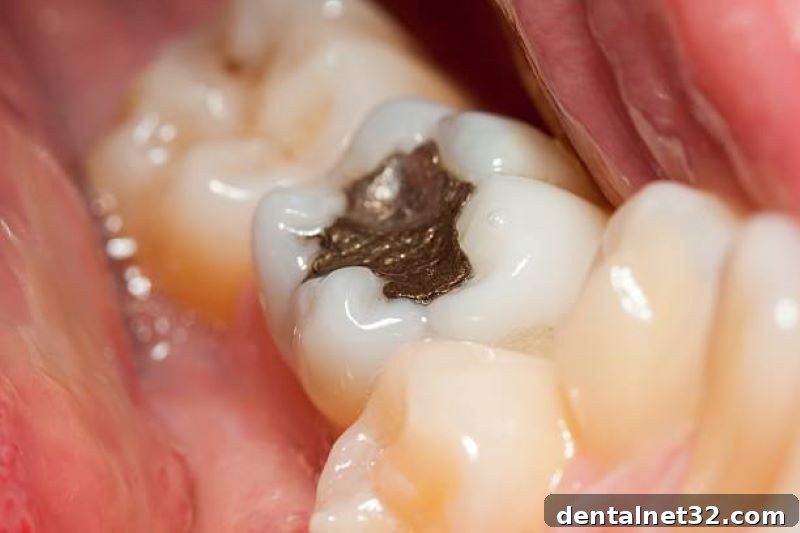
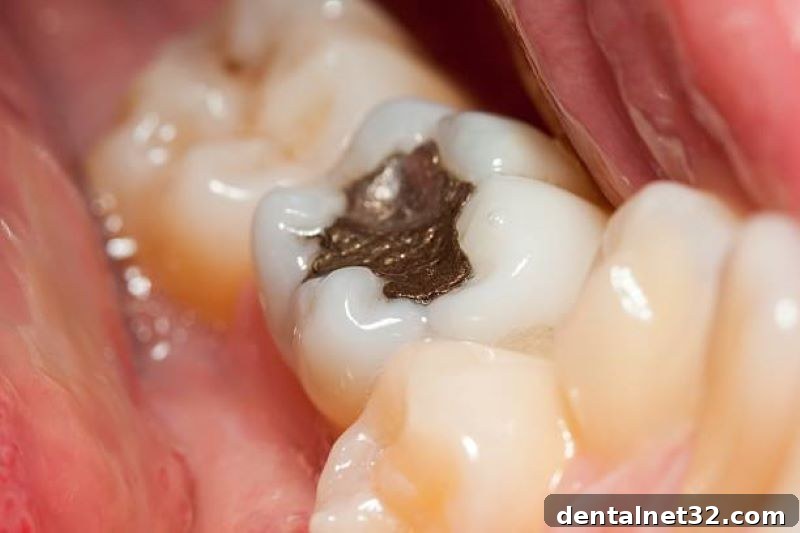
A visual inspection of your teeth can often reveal the early stages of decay. Initially, a demineralized area might appear as a chalky white spot on the enamel. As the decay progresses, these spots can darken, turning light brown, dark brown, or even black. These discolored areas are a clear indication that the tooth structure is breaking down. You might also notice a small pit or a visible hole in your tooth, which is a definitive sign that a cavity has formed and professional dental intervention is needed.
3. Persistent Toothache or Pain When Chewing
A spontaneous toothache that occurs without any apparent cause is a significant red flag. This could indicate that the decay has reached the inner pulp of the tooth, causing inflammation and irritation of the nerve. Similarly, if you experience a sharp pain when you bite down on food, it could mean that the decay has compromised the structural integrity of the tooth or is affecting the nerve. This type of pain should never be ignored, as it often signals an advanced cavity that requires immediate attention to prevent infection or tooth loss.
Your Proactive Guide to Cavity Prevention
Preventing dental cavities is far easier and more cost-effective than treating them. A proactive approach involves a combination of diligent at-home oral hygiene and smart lifestyle choices. Here are our top evidence-based strategies to keep your smile cavity-free:
1. Master Your Daily Oral Hygiene Routine
A consistent and thorough oral hygiene routine is your first line of defense. This means brushing your teeth at least twice a day for two full minutes each time using a fluoride toothpaste. Fluoride is a natural mineral that strengthens tooth enamel and can even reverse the earliest stages of tooth decay. Don’t forget to floss daily. Flossing is critical for removing plaque and food particles from between your teeth and under the gumline, areas your toothbrush can’t reach. Consider incorporating an antimicrobial or fluoride mouthwash to further reduce bacteria and fortify your teeth.
2. Adopt a Tooth-Friendly Diet
What you eat and drink has a direct impact on your oral health. Limit your intake of sugary foods and beverages, such as sodas, candy, and pastries, as well as starchy carbohydrates like chips and white bread that cling to teeth. Instead, build your diet around tooth-friendly options. Crunchy fruits and vegetables like apples and carrots can help clean your teeth, while calcium-rich foods like cheese and yogurt strengthen enamel. Drinking plenty of water, especially after meals, helps wash away food particles and neutralize harmful acids.
3. Utilize Professional Preventive Treatments
For an extra layer of protection, especially for children and adults prone to decay, professional treatments are highly effective. Dental sealants are thin, protective plastic coatings applied to the chewing surfaces of the back teeth (molars). They create a smooth barrier over the natural pits and fissures where food and plaque can easily get trapped. Professional fluoride treatments, which involve applying a highly concentrated fluoride gel, foam, or varnish, provide a significant boost to your enamel’s strength and resistance to acid attacks.
4. Schedule Regular Professional Cleanings and Check-ups
No matter how well you care for your teeth at home, regular visits to your dentist are non-negotiable. Professional cleanings remove hardened plaque (tartar) that cannot be eliminated by brushing and flossing alone. During these routine dental check-ups, our dentists can detect the earliest signs of cavities, often before you notice any symptoms. Early detection allows for more conservative and less invasive treatment options, preserving more of your natural tooth structure.
Modern and Effective Cavity Treatment Options
If a cavity does develop, there’s no need to worry. Modern dentistry offers several highly effective methods for treating decay and restoring your tooth’s health, function, and appearance. At our Locust dental office, we specialize in treating cavities by first removing the decayed portion of the tooth and then restoring its integrity. The appropriate restorative dentistry treatment is customized to the extent of the decay and the specific needs of your tooth.
For small to moderate cavities, a dental filling is the most common solution. The decayed material is carefully removed, and the area is filled with a durable material like composite resin, which can be matched to the color of your natural teeth. For more extensive decay or a cracked tooth, a dental crown may be recommended. A crown is a custom-made cap that covers the entire tooth, providing strength and protection. If the decay has reached the inner pulp, a root canal therapy may be necessary to remove the infected nerve tissue, clean the canal, and save the tooth from extraction. In the most severe cases where the tooth cannot be saved, a tooth extraction may be the only option, followed by a discussion about replacement options like dental implants or bridges.

Partner with Us to Protect Your Smile in Locust, NC
At Locust Family Dentistry, we are committed to helping our patients overcome the challenges of cavities in Locust, NC, by providing personalized treatments and compassionate care. Tooth decay is a preventable and treatable condition, but it can lead to serious consequences if ignored. By understanding the causes, recognizing the signs, and embracing a proactive approach to prevention, you can safeguard your oral health for years to come. Don’t wait for a small problem to become a major issue. Prioritize your well-being by scheduling an appointment with our dedicated dental professionals today. Let us be your partners in achieving and maintaining a healthy, beautiful, and cavity-free smile.