

Did you know that your tongue is not only one of the strongest muscles in your body but also a powerful window into your overall health? This vital organ helps you taste, swallow, and speak, but its appearance can also provide crucial clues about your well-being. Significant changes in your tongue’s color, texture, or sensation can be the first signs of everything from vitamin deficiencies and oral infections to more serious conditions like autoimmune disorders or even oral cancer. A healthy tongue is typically pink, moist, and covered with small nodules called papillae, which house your taste buds. If you notice any unusual swelling, pain, sores, or discoloration—whether white, yellow, red, purple, or black—it could be your body signaling that something is amiss.
Because the tongue is such an important health indicator, a thorough examination of it is a key part of every dental check-up. By paying close attention to your tongue during routine cleanings and exams, dentists can help detect potential health issues in their earliest stages. This guide explores common tongue conditions, what their appearance might signify, and when it’s time to seek professional medical or dental advice.
What Does a Healthy Tongue Look Like?
A healthy tongue is the baseline for identifying problems. Typically, it has a consistent pink color, although the exact shade can vary slightly from person to person. The surface should be moist and covered in tiny bumps known as papillae, giving it a somewhat rough texture. It’s also normal to have a very thin, translucent white coating on the surface. These are all signs of a well-functioning, healthy oral environment. Minor variations in texture are common and generally not a cause for concern.
Signs and Symptoms of an Unhealthy Tongue
One of the most noticeable red flags for tongue problems is a significant change in color away from its usual pink hue. However, other symptoms can also indicate an underlying issue. It’s important to be aware of these signs so you can address them promptly.
Key Warning Signs to Watch For:
- Color Changes: The appearance of white, yellow, bright red, black, or purple patches or a complete change in tongue color.
- Pain or Soreness: Generalized pain, or discomfort in specific spots, especially when eating, drinking, or speaking.
- Changes in Texture: The tongue becoming unusually smooth, or developing a “hairy” or “geographic” (map-like) appearance.
- Sores, Lumps, or Bumps: Any new growths, lesions, or sores that do not heal within two weeks.
- Swelling: Inflammation or swelling of the entire tongue or specific areas.
- Burning Sensation: A persistent feeling as if the tongue has been scalded or burned.
- Changes in Taste: A reduced ability to taste or a persistent metallic or unpleasant taste in the mouth.
What Causes Tongue Problems?
Tongue issues can stem from a wide range of factors. Some are localized to the mouth, while others reflect systemic health conditions. Common risk factors include smoking or chewing tobacco, excessive alcohol consumption, and poor oral hygiene. Additionally, viral infections, a weakened immune system, or allergic reactions can manifest as problems on the tongue. In many cases, a tongue abnormality is a direct result of an underlying medical condition elsewhere in the body, making it a critical diagnostic tool.
Decoding Your Tongue’s Color: A Guide to Potential Health Issues
The color of your tongue can offer valuable insights. Below is a breakdown of what different colors might mean, but remember, this is only a guide. If you notice any persistent changes, it is essential to consult with your doctor or dentist for an accurate diagnosis.
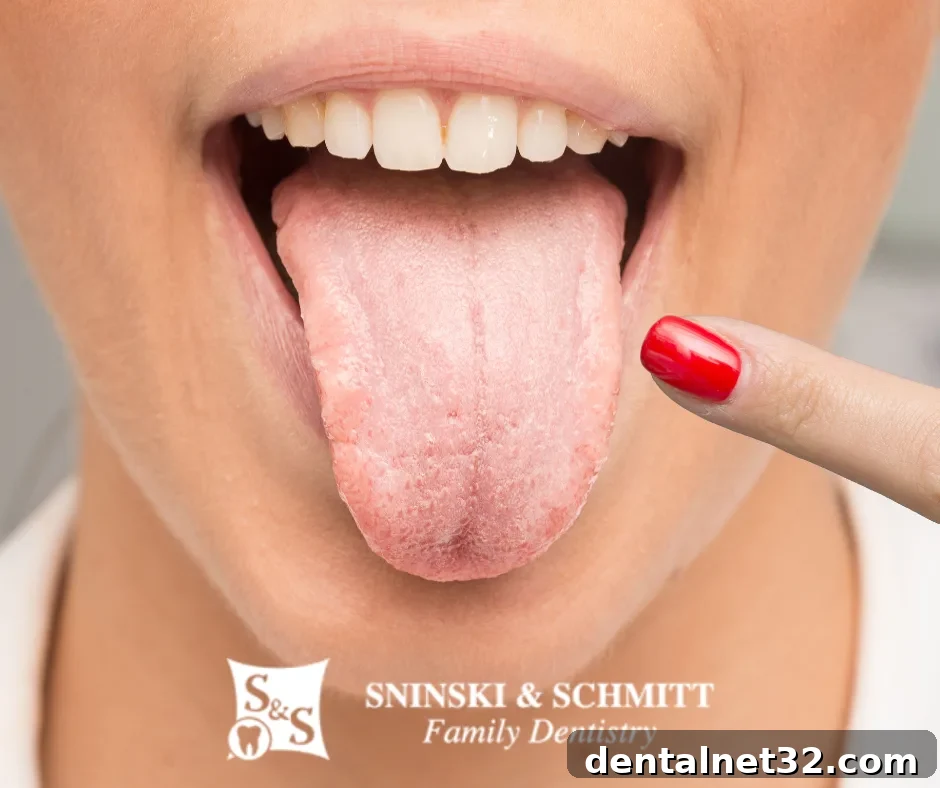
White Tongue
A white coating or thick white patches on the tongue are among the most common tongue issues. While some causes are benign, others may require medical attention.
Oral Thrush
Oral thrush is a fungal infection caused by an overgrowth of the Candida albicans yeast. It appears as creamy white, cottage cheese-like lesions on the tongue and inner cheeks. These patches can often be scraped off, revealing a red, inflamed surface underneath that may bleed slightly. Oral thrush is most prevalent in infants, older adults, denture wearers, and individuals with weakened immune systems, such as those undergoing cancer treatment. People with diabetes or those who use inhaled steroids are also at higher risk.
Leukoplakia
Leukoplakia is a condition characterized by the excessive growth of cells in the mouth, leading to the formation of thick, white patches on the tongue, gums, and inside of the cheeks. Unlike oral thrush, these patches cannot be scraped away. While a dentist can often diagnose leukoplakia by sight, a biopsy is typically required to determine if the cells are precancerous. Most cases are benign, but some can be an early sign of oral cancer, making a professional evaluation crucial.
Oral Lichen Planus
Oral lichen planus manifests as a network of raised, white lines on the tongue and inner cheeks, often in a lace-like pattern. It is a chronic inflammatory condition believed to be caused by an autoimmune response. While the exact cause is often unknown, it is not contagious. The condition usually resolves on its own but requires monitoring by a healthcare professional, as in very rare cases it can increase the risk of developing oral cancer.
Red or Purple Tongue
A tongue that appears unusually red, sometimes described as a “strawberry tongue,” or takes on a purplish hue can signal several different health conditions.
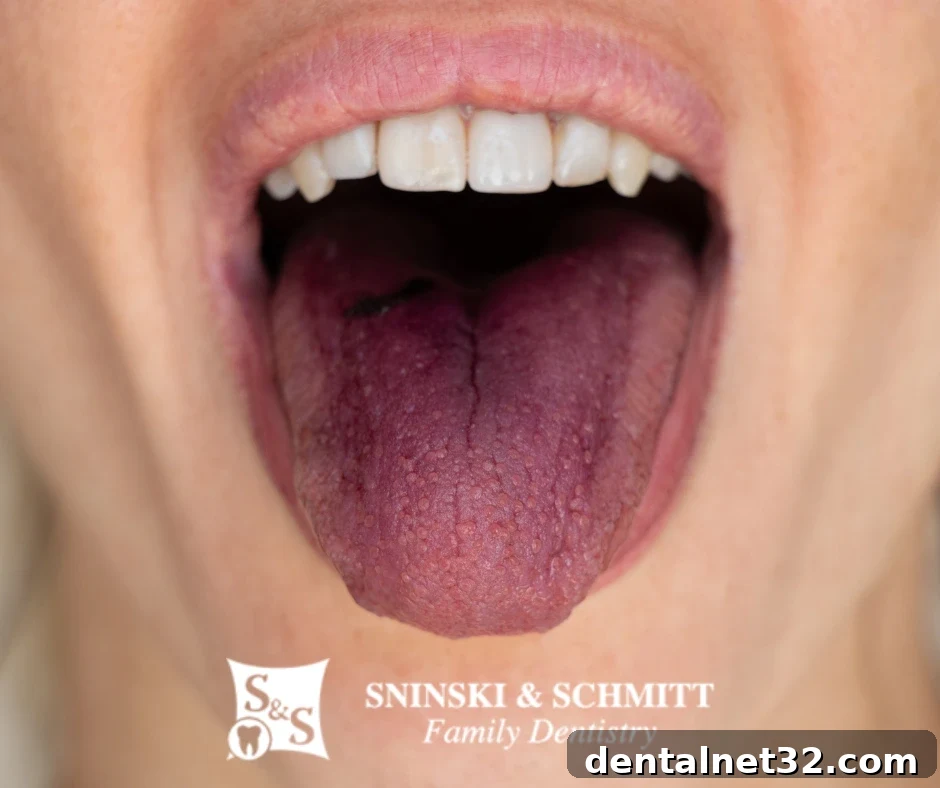
Vitamin B Deficiencies
A glossy, bright red tongue can be a sign of deficiencies in B vitamins, particularly folic acid (B9) and cobalamin (B12). These vitamins are essential for cell maturation, and a lack of them can cause inflammation and a reddened, swollen appearance of the tongue. Correcting the deficiency through diet or supplements typically resolves the issue.
Kawasaki Disease
This is a rare but serious condition that primarily affects children under the age of five. It causes inflammation in the walls of arteries throughout the body. One of its hallmark symptoms is a high fever accompanied by a “strawberry tongue,” which appears swollen, bumpy, and bright red. Prompt medical treatment is vital to prevent potential heart complications.
Scarlet Fever
Scarlet fever is an illness that can develop in people who have strep throat. It is characterized by a bright red rash over most of the body and, like Kawasaki disease, it can cause a strawberry tongue. The tongue may initially have a whitish coating before turning red and bumpy. Scarlet fever requires prompt antibiotic treatment.
Erythroplakia
Erythroplakia is a condition that appears as a fiery red patch or lesion in the mouth that cannot be scraped off. It is less common than leukoplakia but has a significantly higher risk of being cancerous. Any persistent, unexplained red lesion in the mouth warrants an immediate biopsy to rule out oral cancer.
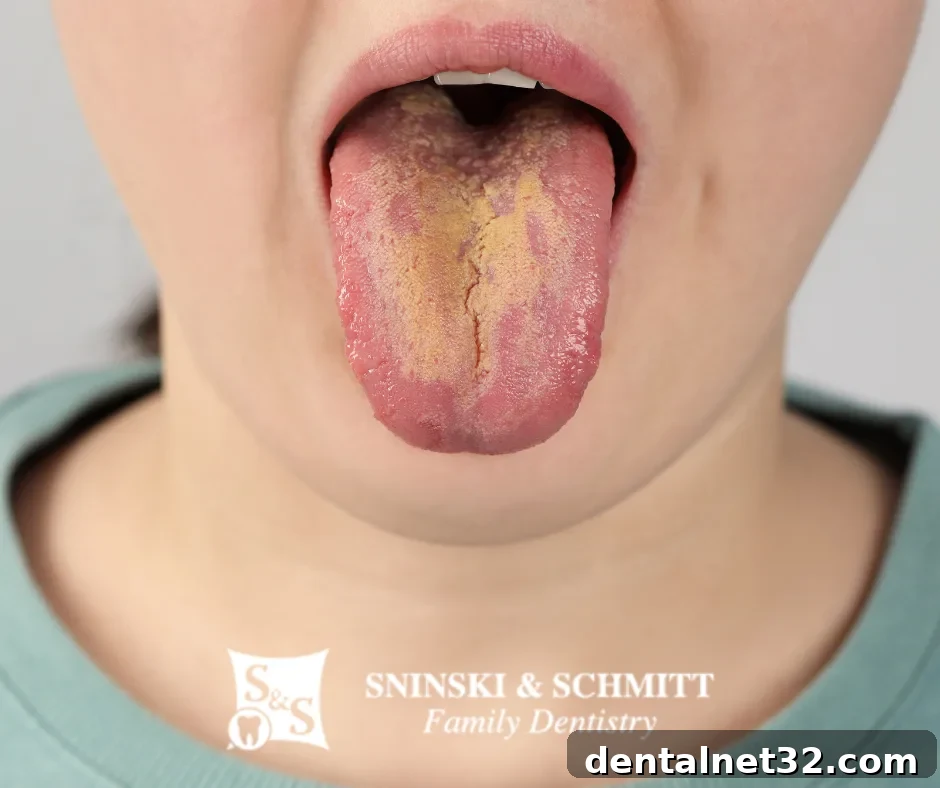
Yellow Tongue
A yellow discoloration of the tongue is often a temporary and harmless issue, usually caused by a buildup of dead skin cells and bacteria. This can be exacerbated by poor oral hygiene, smoking, chewing tobacco, or dry mouth. Certain vitamins or medications can also contribute to a yellow tongue. In rare cases, a yellow tongue can be an early sign of jaundice, a more serious condition related to liver or gallbladder problems.
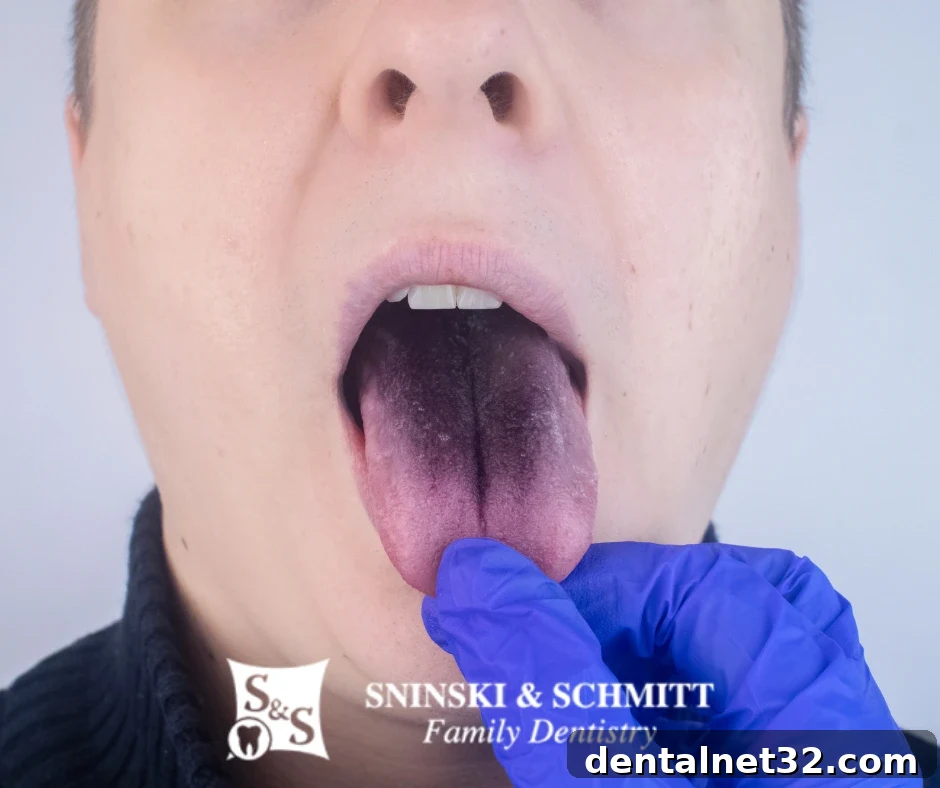
Black and Hairy Tongue
Although its appearance can be alarming, a black, hairy-looking tongue is typically a harmless condition. It occurs when the papillae on the tongue grow longer than usual and trap dead skin cells, bacteria, and other debris. These trapped particles can become stained, resulting in a dark, furry appearance. Common triggers include antibiotic use, poor oral hygiene, smoking, excessive coffee or black tea consumption, and dry mouth. The condition is usually reversible with improved oral hygiene and by eliminating the contributing factors.
Other Common Tongue Problems
Beyond color changes, other issues related to pain, soreness, and texture can affect the tongue.
Tongue Pain, Sores, and Bumps
Pain and soreness are common complaints and can have many causes.
Trauma and Injury
Accidentally biting your tongue can create a painful sore that lasts for several days. Similarly, burning your tongue on hot food or drinks can cause significant discomfort. Chronic irritation from grinding your teeth (bruxism) or rubbing against a sharp tooth or dental appliance can also lead to soreness along the sides of the tongue.
Canker Sores
Also known as aphthous ulcers, canker sores are a frequent cause of tongue pain. These small, round, or oval-shaped sores are typically white or yellow with a red border. They can be triggered by stress, hormonal changes, food allergies, vitamin deficiencies, or irritation from certain toothpastes. Canker sores are not contagious and usually heal on their own within one to two weeks.
Oral Cancer
While most sores are benign, a lump or sore on the tongue that does not heal within two weeks should always be evaluated by a professional. In its early stages, oral cancer is often painless, which is why regular dental screenings are so important for early detection. Persistent pain is often a symptom of more advanced stages.
Burning Tongue Syndrome
This condition, also called burning mouth syndrome, causes a persistent burning or scalding sensation on the tongue for no apparent reason. It is most common in postmenopausal women and can be accompanied by dry mouth or an altered sense of taste. The cause is often difficult to identify but may be related to nerve issues, nutritional deficiencies, or hormonal changes.
Contact Sninski & Schmitt Family Dentistry to Schedule a Dental Appointment
If you have noticed a change in your tongue’s appearance or are experiencing persistent pain, soreness, or any other concerning symptoms, please contact us at Sninski & Schmitt Family Dentistry. Our experienced dental team understands the connection between your oral health and overall well-being. We can provide a thorough examination to assess your tongue’s health and determine if any underlying issues need to be addressed. Call our Holly Springs dentist office at 919-600-6262 or our Cary, NC dentist office at 919-467-2203, or fill out our online contact form to schedule your appointment today.