
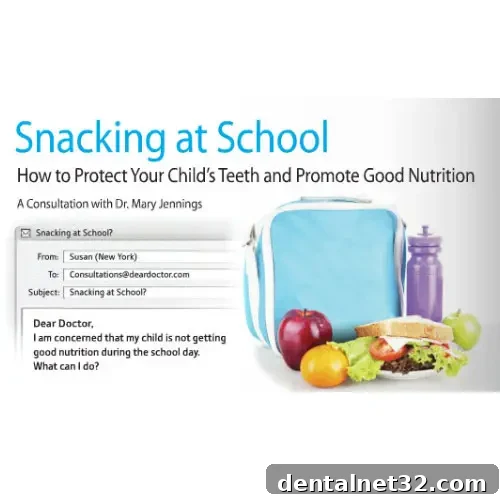
Fueling Healthy Smiles: The Ultimate Parent’s Guide to Tooth-Friendly School Snacks
As a parent, you meticulously plan healthy meals at home, filling your child’s plate with vegetables, lean proteins, and whole grains. But the moment they step onto the school bus, a new set of nutritional challenges begins. Vending machines, cafeteria temptations, and snacks shared between friends can quickly undermine your efforts, impacting not only their general health but also their dental well-being. Protecting your child’s teeth requires a proactive strategy, especially when it comes to the snacks they consume throughout the school day.
Developing healthy habits early is crucial for a lifetime of good oral health. The snacks children eat at school play a significant role in this equation. Frequent exposure to sugary and starchy foods creates an ideal environment for harmful bacteria to thrive, leading to plaque, acid attacks, and ultimately, cavities. This guide will provide a comprehensive look at why smart snacking is essential and offer a wealth of practical, delicious, and tooth-friendly ideas to pack in your child’s lunchbox.
The Science of Snacking: Why What Your Child Eats at School Matters
To understand why certain snacks are detrimental to dental health, it’s important to know what happens inside the mouth after eating. Our mouths are home to countless bacteria, some helpful and some harmful. The harmful types feed on the sugars and starches found in food and drinks. When they consume these sugars, they produce acids as a byproduct.
This acid is the primary culprit behind tooth decay. It attacks the tooth’s hard outer layer, the enamel. Each time your child eats a sugary snack, their teeth are subjected to an “acid attack” that can last for 20 minutes or more. Saliva is the body’s natural defense mechanism; it works to neutralize these acids and remineralize the tooth enamel. However, if your child is snacking frequently throughout the day, their saliva simply can’t keep up. The constant acid exposure weakens the enamel, eventually creating a hole—a cavity.
This makes the choice of school snacks critically important. A snack that is quickly eaten and low in sugar gives saliva a chance to do its job. Conversely, a sticky, sugary snack that lingers in the mouth provides a prolonged feast for acid-producing bacteria, maximizing the damage to your child’s precious teeth.
The Dental Villains: Snacks to Avoid in Your Child’s Lunchbox
Navigating the snack aisle can be overwhelming, with many products marketed as “healthy” or “for kids” actually being packed with hidden sugars. Here are the top offenders to limit or avoid when packing school snacks to protect your child’s dental health.
- Sugary Drinks and Juices: Sports drinks, sodas, and even 100% fruit juice boxes are often loaded with sugar. Sipping on these throughout the day is like bathing teeth in a continuous sugar-acid bath. Encourage your child to drink water instead.
- Sticky, Gummy, and Chewy Foods: Fruit snacks, gummy vitamins, caramels, and even dried fruits like raisins are a dentist’s nightmare. Their sticky texture allows them to cling to the grooves of teeth for hours, providing a long-lasting fuel source for cavity-causing bacteria.
- Starchy, Refined Carbohydrates: Goldfish crackers, pretzels, potato chips, and white bread might not seem sweet, but these simple starches break down into sugar almost immediately in the mouth. They also tend to become a soft, pasty consistency that gets stuck in and between teeth.
- Hard and Sour Candies: Lollipops and other hard candies are doubly dangerous. Not only are they made of pure sugar, but they dissolve slowly, prolonging the time teeth are exposed to sugar. Sour candies are even worse, as they contain high levels of acid that directly erode tooth enamel.
The Dental Heroes: Top Tooth-Friendly School Snack Ideas
The good news is that there are countless delicious, easy, and healthy snacks that actually promote good dental health. These “hero” snacks are typically low in sugar, high in fiber and water, and contain essential nutrients like calcium and phosphorus that strengthen teeth. Here are some fantastic ideas to pack:
1. Crunchy Fruits and Vegetables
These are nature’s toothbrushes! Their fibrous texture helps scrub away plaque, and their high water content stimulates saliva flow to rinse away food particles and neutralize acids.
- Apple Slices: Crisp and satisfying, apples are a classic healthy choice. (Be sure to slice them for younger children to make them easier to eat).
- Carrot and Celery Sticks: These are packed with water and fiber. Pair them with a tooth-friendly dip like hummus for added protein.
- Bell Pepper Strips: Red, yellow, and orange peppers are sweet, crunchy, and full of vitamins.
- Cucumber Slices: Refreshing and hydrating, cucumbers are a perfect, simple snack.
2. Dairy and Calcium-Rich Choices
Calcium is the primary building block of tooth enamel. Foods rich in calcium and phosphorus help protect and rebuild this vital protective layer.
- Cheese Sticks or Cubes: Cheese is a dental superfood. It’s high in calcium and casein, a protein that strengthens enamel. It also helps balance the pH level in the mouth, reducing acidity.
- Plain Yogurt: A great source of calcium and probiotics. Avoid pre-sweetened, flavored yogurts. Instead, pack plain yogurt and add a few fresh berries or a sprinkle of seeds for flavor.
- Milk: A plain carton of milk is a far better choice than a juice box, providing calcium and washing down other foods.
3. Lean Proteins and Healthy Fats
Protein-rich snacks provide lasting energy without the sugar crash and are essential for building strong bodies, including strong teeth and jaws.
- Hard-Boiled Eggs: Easy to prepare in advance, eggs are a powerhouse of protein and vitamins.
- Nuts and Seeds: If your child’s school is not nut-free, almonds, walnuts, and sunflower seeds are excellent choices. They are low in sugar and contain healthy fats and protein.
- Hummus: Made from chickpeas, hummus is a fantastic source of plant-based protein. It’s a perfect dip for veggie sticks or whole-wheat pita bread.
- Turkey or Ham Roll-ups: Simply roll a slice of lean deli meat around a cheese stick or a pickle spear for a fun, protein-packed, and carb-free snack.
Beyond the Lunchbox: Building a Foundation for Lifelong Oral Health
While packing healthy snacks is a huge step, it’s part of a larger strategy for ensuring your child’s dental health. Reinforce these habits at home to create a comprehensive approach to oral care.
Make Water the Go-To Drink: The single best beverage for your child’s teeth and body is water. It contains no sugar, no calories, and no acid. It helps rinse the mouth, fights dry mouth, and keeps the body hydrated. Pack a reusable water bottle for your child every single day.
Lead by Example: Children are more likely to adopt healthy habits if they see their parents practicing them. Let your child see you enjoying crunchy vegetables, drinking water, and brushing your teeth regularly.
Maintain a Solid Oral Hygiene Routine: A healthy diet and excellent oral hygiene go hand-in-hand. Ensure your child is brushing their teeth for two minutes, twice a day, with a fluoride toothpaste. As soon as two teeth touch, it’s time to start flossing daily to clean the spaces where a toothbrush can’t reach.
Schedule Regular Dental Check-ups: Professional cleanings and regular check-ups with a pediatric dentist are non-negotiable. These visits allow a professional to remove stubborn plaque and tartar, apply preventative treatments like fluoride and sealants, and catch any potential issues like cavities when they are small and easy to treat.
By making conscious choices about school snacks and integrating them into a holistic approach to dental care, you empower your child with the tools they need for a healthy, confident smile that will last a lifetime.