
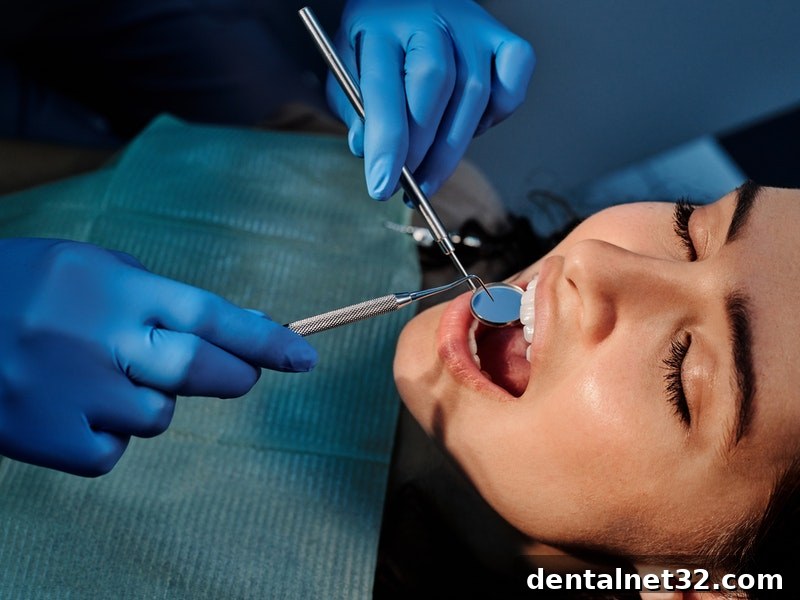
Your oral health is a critical window to your overall well-being, and at the heart of it lies the health of your gums. Despite its importance, the Centers for Disease Control and Prevention (CDC) reports that nearly half of all adults over 30 in the United States suffer from some form of gum disease. This widespread issue often begins silently, leading many to overlook its initial signs. Understanding what gum disease is, recognizing its symptoms, and knowing how to prevent it are essential steps toward protecting both your smile and your long-term health. For residents concerned about their oral hygiene, a trusted dentist in Cary, NC, can provide the guidance and treatment necessary to maintain healthy gums for life.
Understanding Periodontal Disease: A Comprehensive Guide
Periodontal disease, more commonly known as gum disease, is an infection and inflammation of the soft tissues that surround and support your teeth. It is caused by a buildup of harmful bacteria along and below the gum line. When left untreated, this condition can progress, leading to damage of the underlying bone and, ultimately, tooth loss. The progression of gum disease typically occurs in two primary stages: gingivitis and periodontitis.
Gingivitis: The Reversible First Stage
Gingivitis is the earliest and mildest form of periodontal disease. At this stage, the damage is not yet permanent and can often be reversed with professional dental care and a diligent oral hygiene routine at home. The inflammation is caused by plaque, a sticky, colorless film of bacteria that constantly forms on your teeth. If plaque is not removed daily through brushing and flossing, it produces toxins that can irritate the gum tissue. You may have gingivitis if you notice any of the following symptoms:
- Red, Swollen, or Tender Gums: Healthy gums are firm and pale pink. Inflammation causes them to appear puffy and reddish.
- Bleeding While Brushing or Flossing: This is one of the most common and earliest signs. Healthy gums should not bleed from routine cleaning.
- Persistent Bad Breath (Halitosis): The bacteria responsible for the infection can release unpleasant odors.
- Sensitivity or Minor Pain: Your gums may feel sore to the touch or when you chew.
- Increased Tooth Sensitivity: Inflamed gums can pull away slightly from the teeth, exposing the sensitive root surfaces.
The good news is that because the bone and connective tissue holding the teeth in place are not yet affected, gingivitis is entirely reversible. A professional cleaning followed by consistent and proper home care can restore your gums to a healthy state.
Periodontitis: The Advanced and Destructive Stage
If gingivitis is left untreated, it can advance to periodontitis. At this stage, the infection and inflammation have spread below the gum line and begun to affect the bone and connective tissues that anchor the teeth. The body’s immune system, in its fight against the bacterial toxins, begins to break down the very structures that hold your teeth in place. Pockets form between the gums and teeth, which deepen and collect more bacteria, debris, and pus. As the disease progresses, these pockets become deeper, leading to more significant bone and tissue loss. Symptoms of periodontitis are more severe and include:
- Receding Gums: Your gums may pull away from your teeth, making your teeth appear longer than normal.
- Deep Pockets Between Teeth and Gums: A dentist can measure these pockets to determine the severity of the disease.
- Noticeable Pus or Infection: You might see pus oozing from between your teeth and gums when you press on them.
- Loose or Shifting Teeth: As the supporting bone is destroyed, teeth may lose their stability.
- A Change in Your Bite: Your teeth may fit together differently when you bite down due to shifting.
- Constant Bad Breath or a Bad Taste in Your Mouth: This is a sign of a persistent infection.
Unlike gingivitis, the damage caused by periodontitis is irreversible. However, its progression can be halted and managed with professional treatment to prevent further damage and tooth loss. If you experience any of these advanced symptoms, seeking immediate dental care is crucial.
What Are the Primary Causes and Risk Factors for Gum Disease?
The main cause of gum disease is poor oral hygiene, which allows plaque to accumulate and harden into tartar (or calculus). Tartar provides a rough, porous surface for more plaque to grow and can only be removed with a professional dental cleaning. However, several other factors can significantly increase your risk of developing this condition:
- Tobacco Use: Smoking and vaping are among the most significant risk factors. They weaken your immune system’s ability to fight off infection and impair the blood flow to your gums, hindering their ability to heal.
- Genetics: Some individuals are simply more genetically predisposed to gum disease. If it runs in your family, you may need to be extra vigilant with your oral care.
- Systemic Diseases: Conditions like diabetes, rheumatoid arthritis, and heart disease are linked to an increased risk of periodontitis. Diabetes, in particular, reduces the body’s resistance to infection.
- Hormonal Changes: Fluctuations in hormones during puberty, pregnancy, and menopause can make gums more sensitive and susceptible to inflammation.
- Medications: Certain drugs, including some used for heart conditions, anticonvulsants, and immunosuppressants, can cause dry mouth or gum overgrowth, creating an environment where bacteria can thrive.
- Poor Nutrition: A diet lacking in essential nutrients, especially Vitamin C, can compromise your immune system and your body’s ability to repair tissue.
- Stress: Chronic stress can make it more difficult for your body to fight off infections, including periodontal disease.
- Teeth Grinding (Bruxism): Clenching or grinding your teeth can exert excessive force on the supporting tissues, potentially accelerating the rate at which they are destroyed.
Effective Strategies for Preventing Gum Disease
Prevention is the most powerful tool against gum disease. A proactive approach to oral hygiene and regular professional care can keep your gums healthy and your smile bright. The key is to consistently control the bacterial growth in your mouth.
Incorporate these essential habits into your daily routine to safeguard your gums:
- Brush Thoroughly Twice a Day: Use a soft-bristled toothbrush and a fluoride toothpaste. Brush for at least two minutes, ensuring you clean all surfaces of your teeth and pay special attention to the gum line.
- Floss Daily: Flossing is non-negotiable. It removes plaque and food particles from between your teeth and under the gum line, areas your toothbrush cannot reach.
- Use an Antiseptic Mouthwash: Rinsing with a therapeutic mouthwash can help reduce plaque, prevent or reduce gingivitis, and inhibit bacterial growth.
- Eat a Balanced Diet: Limit sugary and starchy foods that feed harmful bacteria. Instead, focus on a diet rich in vitamins and minerals from fruits, vegetables, and lean proteins to support your overall and oral health.
- Avoid Tobacco Products: Quitting smoking and other tobacco use is one of the best things you can do for your gums.
- Schedule Regular Dental Checkups: Visit your dentist for professional cleanings and checkups at least twice a year. Only a professional cleaning can remove tartar, and regular exams allow for the early detection and treatment of any issues.
Take Control of Your Gum Health: Schedule Your Dental Visit in Cary Today
Healthy gums are the foundation of a healthy smile. If you have noticed any signs of gum disease, such as bleeding, swelling, or tenderness, or if it has simply been a while since your last dental exam, now is the time to take action. Early detection and intervention are key to preventing serious damage. Our dedicated dental team is here to help you achieve and maintain optimal oral health. Contact us to schedule a comprehensive dental checkup and cleaning.
You can reach our Holly Springs office at (919) 600-6262 or our Cary, NC dentist office at (919) 467-2203. Alternatively, you can fill out our convenient online contact form to schedule an appointment and take the first step toward healthier gums.