How is tooth wear affected by bite alignment?
Tooth wear often accelerates when bite alignment places uneven pressure on individual teeth. If one tooth makes contact before the others, if the front teeth rub heavily, or if the back teeth carry excessive force, enamel can become flattened, chip, crack, or develop sensitivity. A dental exam can usually determine whether wear is due to bite pressure, grinding, acid exposure, abrasion, or a combination of factors.
The Connection Between Bite Alignment and Tooth Wear
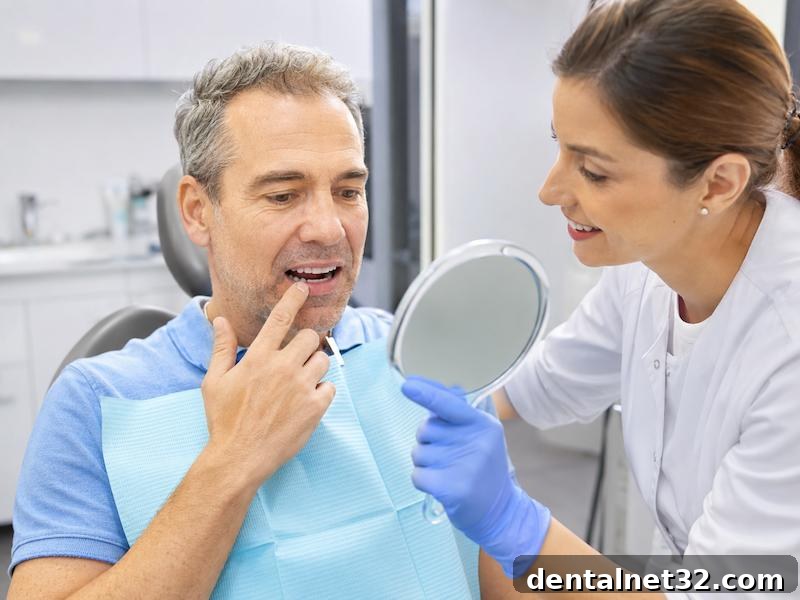
Bite alignment governs how forces move across your teeth when you chew, clench, or close your mouth. Small changes in how your teeth meet can produce noticeable differences in comfort or appearance. You might sense a single tooth hitting first, notice your front teeth looking flatter, or feel a chipped edge that catches your tongue. These signs often reflect uneven force distribution that, over time, causes faster wear in particular areas.
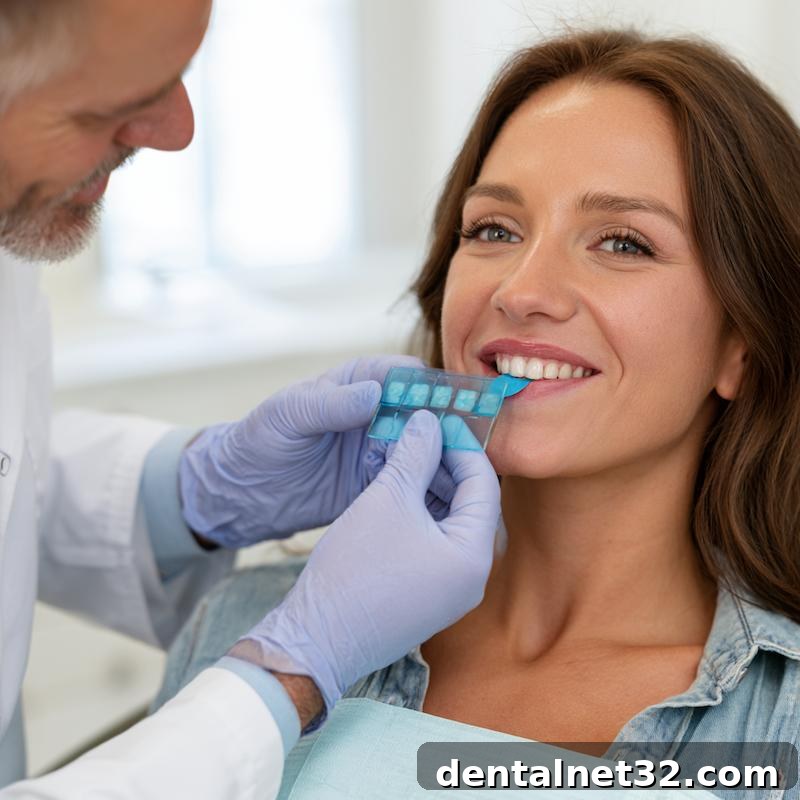
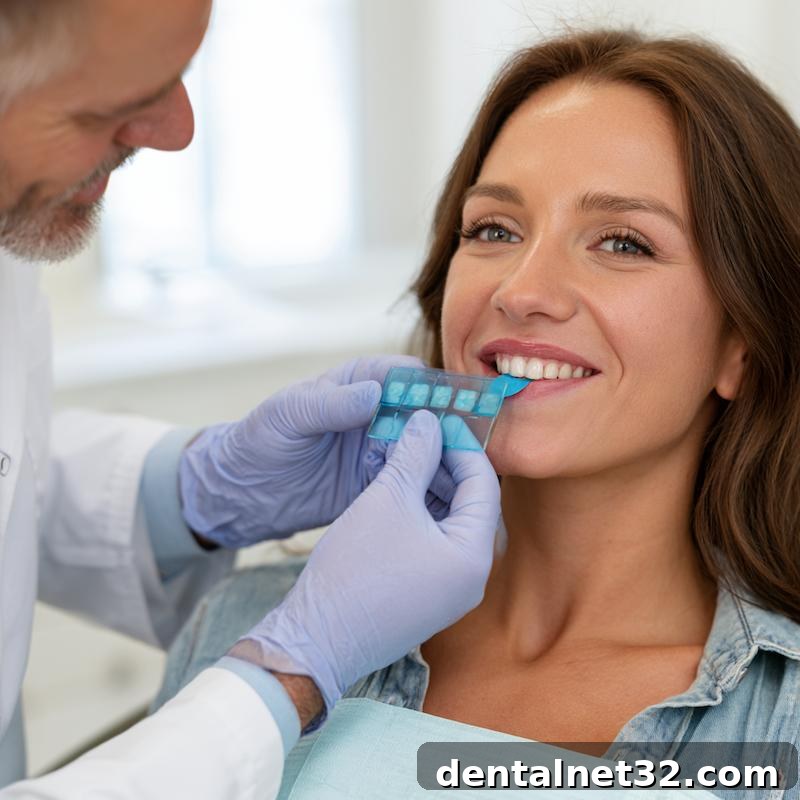
These subtle shifts in contact can be the first signs that your bite is placing excess force on certain teeth. Over months or years, that focused pressure can produce localized flattening, chips, or sensitivity.
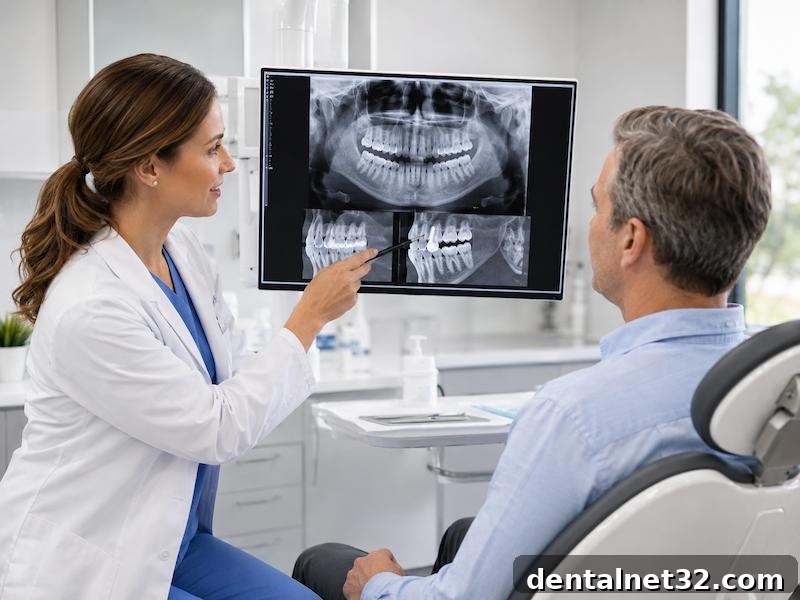
At Sninski & Schmitt Family Dentistry in Cary and Holly Springs, our dental team evaluates more than cleanliness and cavities during a regular check-up. We also assess how your teeth come together, where pressure lands, and whether wear patterns indicate the need for bite correction, protection, or restorative treatment.
Understanding Bite Alignment Issues
Malocclusion, commonly known as bite misalignment, describes how the upper and lower teeth meet when you close your mouth, chew, or move your jaw:
- With a balanced bite, chewing forces spread evenly across many teeth.
- With an unbalanced bite, certain teeth absorb more pressure than others, increasing their wear risk.
A misaligned bite does not always mean teeth look dramatically crooked. Some problems are obvious—crowding, spacing, overbite, underbite, crossbite, or open bite—while others are subtle, such as a single tooth contacting prematurely or an old restoration altering how teeth meet.
Common bite alignment issues include:
- A tooth that feels “high” or contacts before the others
- Front teeth that rub heavily against one another
- Back teeth that take excessive chewing pressure
- Crowded or rotated teeth that do not meet evenly
- Missing teeth allowing nearby teeth to shift
- Dental restorations that change how pressure lands when chewing
Even small alignment differences can lead to progressive wear. If the same tooth or group of teeth bears extra pressure repeatedly, the enamel will gradually wear down, increasing the chance of chips, cracks, or sensitivity.
Signs Your Bite May Be Wearing Down Your Teeth
Tooth wear often appears uneven. When bite pressure is concentrated on specific teeth, those teeth will display characteristic patterns of wear. These changes develop slowly and are frequently identified by a dentist comparing multiple teeth during a routine exam.
Flattened Biting Surfaces
Molars and premolars can develop flat surfaces after repeated chewing, grinding, or clenching. The cusps that normally help grind food can wear down over time, altering how the teeth interlock and potentially making chewing less efficient or comfortable.
Shorter or Chipped Front Teeth
When front teeth rub heavily against each other, their incisal edges may appear shorter, thinner, or more squared. Chips or rough spots that catch the tongue are common complaints from patients with this pattern of wear.
Shiny Wear Spots
Smooth, glossy areas on enamel often indicate repeated tooth-to-tooth contact. These shiny spots can precede pain and are useful clues for identifying which teeth sustain extra force.
Cracks, Craze Lines, or Broken Restorations
Uneven bite forces place stress on enamel, fillings, crowns, bonding, and veneers. Small cracks, craze lines, or fractured restorations may point to a bite problem that requires evaluation before repairs are completed.
Sensitivity in Specific Teeth
Worn enamel can expose underlying dentin, causing sensitivity. If one tooth or one side of the mouth feels more sensitive when chewing, brushing, or drinking cold beverages, focused pressure from an uneven bite could be a contributing factor.
Not All Tooth Wear Comes From the Bite
Bite alignment is one contributor to tooth wear but not the only one. Dentists examine the type, location, and pattern of wear to determine likely causes.
Common causes of worn teeth include:
- Attrition: Tooth-to-tooth wear often linked to bite pressure, grinding, or clenching. Teeth may appear flat, shiny, shortened, or squared.
- Erosion: Enamel loss from acid exposure, which can stem from acidic foods and drinks, frequent snacking, dry mouth, or reflux.
- Abrasion: Mechanical wear from habits or objects, such as aggressive brushing, chewing pens, biting nails, or using teeth to open packaging.
These factors frequently overlap. For example, acid-softened enamel will wear faster when combined with night clenching or a high-contact tooth. Regular dental exams are essential to evaluate bite, enamel condition, gums, restorations, symptoms, and daily habits before recommending treatment.
Bite Alignment, Bruxism, and Jaw Muscle Tension
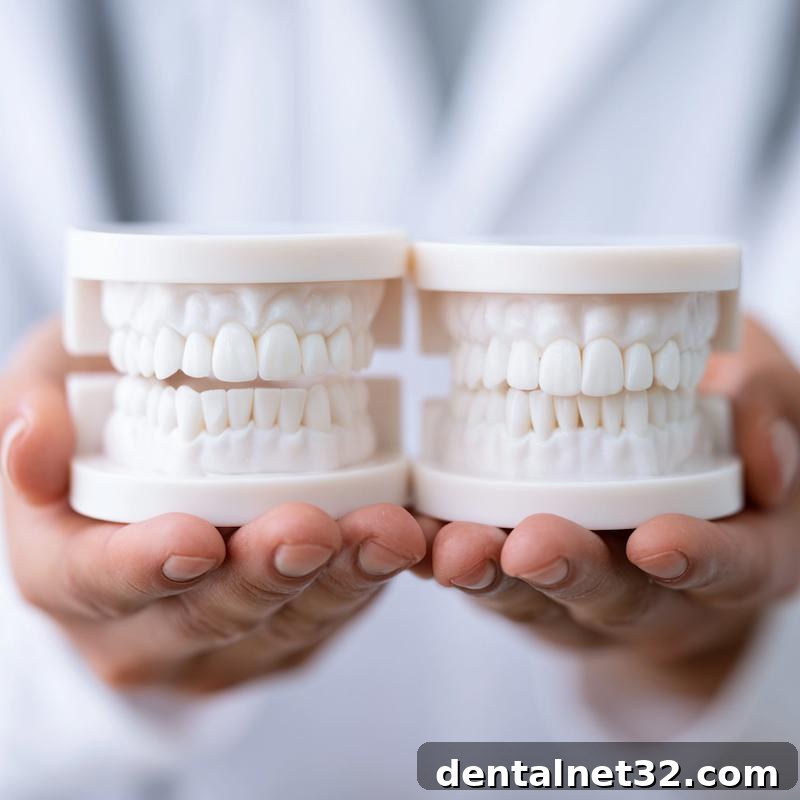
Bruxism refers to clenching or grinding of the teeth and can occur during the day or while sleeping. Many people are unaware they grind their teeth until a dentist points out distinctive wear patterns or a partner notices grinding at night.
A misaligned bite does not always cause bruxism, and bruxism does not always stem from bite issues. Contributing factors include stress, sleep quality, certain medications, caffeine, alcohol, and airway or health concerns. The problem intensifies when grinding or clenching combines with an uneven bite, since already tense jaw muscles may amplify force on teeth that contact prematurely.
When jaw muscles exert heavy force and specific teeth take that load first, enamel wear accelerates and the risk of cracked restorations or sore teeth increases. Proper evaluation helps determine whether protective appliances or bite correction will reduce damage.
Sninski & Schmitt Family Dentistry can guide patients who may benefit from teeth grinding treatment, including custom night guards and other strategies to reduce progressive tooth wear.
Treatment Options for Bite-Related Tooth Wear
Effective treatment depends on the cause and severity of wear. Some cases warrant conservative monitoring, while others require a combination of protection, restorative work, and bite correction to prevent further damage and restore function.
Monitoring Mild Wear
If wear is minor, stable, and not causing sensitivity or structural issues, careful monitoring may be appropriate. Dentists document the condition with photos and notes and re-evaluate it at subsequent visits to avoid unnecessary treatment.
Custom Night Guard for Grinding or Clenching
When grinding or clenching contributes to wear, a custom night guard can reduce direct tooth-to-tooth contact during sleep. Custom devices fit more precisely than over-the-counter options, improving comfort and long-term effectiveness in protecting enamel and restorations.
Bite Adjustment When a Small Contact Is Too Heavy
If a single contact point is clearly overloaded, a conservative bite adjustment may be recommended. This involves small, controlled changes to the tooth surfaces so forces distribute more evenly. Because excessive removal of tooth structure can create new problems, such adjustments require careful evaluation and planning.
If worn or chipped teeth affect your smile, cosmetic options may be considered as part of a broader plan, but correcting the bite first helps ensure any new restorations are not placed under the same uneven stress.
Clear Aligners or Orthodontic Treatment
When tooth position contributes to harmful contacts, alignment treatment can help. Clear aligners may improve tooth position, ease cleaning, and reduce uneven forces, though complex cases sometimes need referral to an orthodontist. Your dentist will advise whether alignment should be part of your long-term solution.
Repairing Worn, Chipped, or Damaged Teeth
If wear changes a tooth’s shape, comfort, or strength, restorative dentistry can rebuild or protect the tooth. Depending on the situation, options include tooth-colored fillings, dental bonding, veneers, or crowns to restore form and function.
Schedule a Dental Checkup for Bite Alignment in Cary or Holly Springs
If your teeth look shorter, feel uneven, chip easily, or seem more sensitive than before, a dental checkup can identify the underlying cause. The Sninski & Schmitt Family Dentistry team evaluates teeth, bite, gums, restorations, and overall oral health, then discusses treatment options based on the exam findings.
We are currently accepting new patients. Please use our contact form or call our offices to schedule a visit. Holly Springs office phone: 919-600-6262. Cary office phone: 919-467-2203.