
Your Ultimate Guide to a Cavity-Free Smile: Essential Prevention Strategies
Cavities, also known as tooth decay, stand as one of the most common chronic health issues worldwide, affecting individuals of all ages. This pervasive problem occurs when acids in your mouth erode the hard outer layer of your teeth, called enamel. The Centers for Disease Control and Prevention (CDC) reports that over a quarter of adults in the United States have untreated cavities. While this statistic may seem alarming, the good news is that cavities are largely preventable. With a dedicated oral hygiene routine and mindful lifestyle choices, you can significantly reduce your risk of developing tooth decay. This comprehensive guide will explore proven, straightforward strategies to help you maintain a healthy, cavity-free smile for years to come.
Understanding the Root Cause: What Really Causes Cavities?
Before diving into prevention, it’s crucial to understand what causes cavities in the first place. Your mouth is a complex ecosystem, home to hundreds of types of bacteria. Some of these bacteria are beneficial, but others can be harmful. When you consume sugary or starchy foods and drinks, these harmful bacteria feast on the sugars, producing acids as a byproduct. This combination of bacteria, food particles, acid, and saliva forms a sticky, colorless film on your teeth known as plaque. If not removed, the acids in plaque begin to dissolve the minerals in your tooth enamel, creating microscopic holes. Over time, these holes can grow larger and deeper, resulting in a full-blown cavity that requires professional dental treatment.
Proven Strategies for Effective Cavity Prevention
Protecting your teeth from decay doesn’t require drastic measures. It involves incorporating a series of simple, consistent habits into your daily life. By adopting the following practices, you empower yourself to take control of your oral health.
1. Master the Art of Brushing Your Teeth
The cornerstone of any effective oral hygiene routine is consistent and correct brushing. This is your primary defense against the buildup of plaque. For optimal results, you should brush your teeth at least twice a day—once in the morning and once before bed—for a full two minutes each time. Use a soft-bristled toothbrush, either manual or electric, and a toothpaste that contains fluoride. Fluoride is a natural mineral that strengthens tooth enamel and can even reverse early stages of tooth decay. When you brush, hold your toothbrush at a 45-degree angle to the gums and use gentle, circular motions. Be sure to clean all surfaces of every tooth: the outer, inner, and chewing surfaces. Don’t forget to gently brush your tongue to remove bacteria and freshen your breath. Regular, thorough brushing is absolutely vital in the fight against cavities.
2. Don’t Skip the Floss: The Unsung Hero of Oral Health
While brushing is essential, it can’t reach all the tight spaces in your mouth. Food particles and plaque often get trapped between your teeth and under the gumline, areas where a toothbrush can’t effectively clean. If left unchecked, these particles can lead to decay and gum disease. This is where flossing comes in. Daily flossing is a non-negotiable step for comprehensive oral care. By using dental floss or an interdental cleaner like a water flosser, you can dislodge trapped debris and disrupt plaque colonies. This simple act significantly reduces your risk of developing cavities between your teeth, one of the most common locations for decay to start.
3. Supercharge Your Routine with a Mouth Rinse
To give your oral hygiene routine an extra boost, consider incorporating an antimicrobial or fluoride mouth rinse. Rinsing your mouth after brushing and flossing can help in several ways. An antimicrobial mouthwash helps reduce the amount of bacteria in your mouth, limiting the acid they can produce. A fluoride rinse can help strengthen your enamel, making it more resistant to acid attacks. Using a therapeutic mouth rinse is an excellent supplementary step to ensure your mouth is as clean as possible, but remember that it should never be used as a substitute for proper brushing and flossing.
4. Be Mindful of Your Diet: Reduce Sugary and Acidic Consumption
What you eat and drink has a direct impact on your dental health. Frequent consumption of sugary and acidic items provides fuel for cavity-causing bacteria. Beverages like soda, sports drinks, sweetened coffee and tea, and even fruit juices can be particularly damaging because they coat your teeth in sugar and acid. Starchy foods like chips and bread can also get stuck in your teeth and break down into sugars. To prevent cavities, try to limit your intake of these items. When you do indulge, do so with a meal rather than snacking throughout the day. It’s also incredibly beneficial to drink plenty of water, especially after consuming something sugary or acidic. Water helps rinse away food particles and neutralize harmful acids, acting as a natural cleansing agent for your mouth.
5. Quit Smoking and Tobacco Use for a Healthier Smile
The use of tobacco products, including smoking and chewing tobacco, is detrimental to your entire body, and your oral health is no exception. Smoking can lead to a condition known as dry mouth, which reduces the flow of saliva. Saliva is your body’s natural defense against tooth decay because it helps wash away food and neutralize acids. A lack of saliva significantly increases your risk for cavities. Furthermore, tobacco use is a major cause of gum disease, which can lead to tooth loss. Quitting smoking is one of the best things you can do not only to prevent cavities but also to protect yourself from a host of other serious oral and general health issues.
6. Partner with Your Dentist for Regular Check-ups
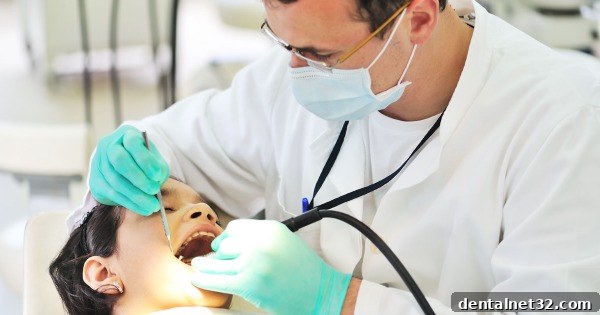
Your personal oral hygiene habits are critical, but they should be complemented by professional dental care. Visiting your dentist regularly—typically every six months—for check-ups and cleanings is a vital part of cavity prevention. During these appointments, a dental hygienist will perform a professional cleaning to remove hardened plaque, known as tartar, which cannot be removed by brushing alone. Your dentist will then conduct a thorough examination to detect any early signs of decay. Catching cavities when they are small allows for simpler, less invasive treatment. These visits are also a great opportunity to ask questions and receive personalized advice on how to improve your brushing and flossing techniques.
Trust Sninski & Schmitt Family Dentistry to Treat Your Cavities
Are you concerned about cavities or simply looking to maintain your excellent oral health? Partnering with a trusted dental team is the best way forward. For comprehensive dental check-ups, professional cleanings, and expert cavity treatment, we invite you to visit us at Sninski & Schmitt Family Dentistry. If you are seeking a dedicated and experienced dentist in Cary or Holly Springs, we are here to help. We accept a wide variety of insurance plans and are always happy to welcome new patients to our practice. Take the first step towards a healthier smile today. You can reach our Holly Springs dentist office at (919) 600-6262 or our Cary, NC dentist office at (919) 467-2203. For your convenience, you can also fill out our online contact form to schedule an appointment.