
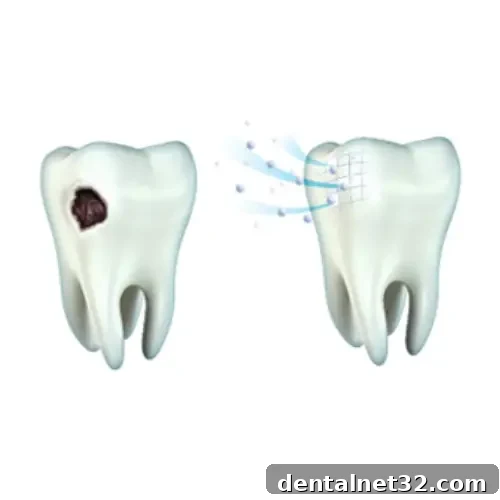
A Comprehensive Guide to Understanding, Preventing, and Reversing Tooth Decay
If you’ve ever had a cavity, you’re in good company. It’s an incredibly common experience. According to extensive research from health organizations like the Center for Disease Control (CDC), a staggering 90% of adults over the age of 20 have experienced at least one cavity. This statistic doesn’t suggest a widespread failure in dental care; rather, it highlights that tooth decay, also known as dental caries, is a complex issue influenced by a multitude of factors. Your diet, lifestyle habits, access to dental care, and even genetics can play a significant role. Understanding the science behind cavities is the first and most crucial step toward preventing them. This guide will delve into the stages of tooth decay, explore how early-stage damage can be reversed, and provide actionable strategies to protect your smile for a lifetime.
What Exactly Are Cavities and How Do They Form?
Before we can effectively fight cavities, we must understand our opponent. A cavity is not an instantaneous event; it’s the result of a progressive process of tooth decay. This process begins when bacteria in your mouth feed on the sugars and starches from the food you eat. As these bacteria metabolize the sugars, they produce acids as a byproduct. These acids, combined with bacteria, food particles, and saliva, form a sticky film called plaque that constantly coats your teeth. If not removed, the acids in plaque will begin to eat away at the tooth’s hard outer layer, the enamel. This is the start of a cavity. The journey from a healthy tooth to a full-blown cavity unfolds in five distinct stages.
Stage 1: Demineralization – The First Warning Sign
The very first stage of tooth decay is known as demineralization. Your tooth enamel is the hardest substance in the human body, composed almost entirely of minerals like calcium and phosphate. The acids produced by plaque bacteria are powerful enough to strip these essential minerals from the enamel. When this happens, you might notice small, chalky white spots appearing on the surface of your teeth. These spots are the initial sign that the enamel is weakening. The good news is that at this early stage, the damage is often reversible. The tooth structure is still intact, and with the right intervention, the enamel can be remineralized and strengthened before a permanent cavity forms.
Stage 2: Enamel Decay – The Point of No Return
If demineralization is left unaddressed, the process of decay continues. The enamel will weaken further, and the initial white spots may darken to a brownish color. At this point, the surface of the enamel begins to break down, forming a small hole or pit. This is what we officially call a cavity. Once the enamel is physically breached, the damage becomes permanent and cannot be reversed through natural remineralization. The tooth’s primary defense has been compromised, and professional dental treatment is now necessary to stop the decay from progressing deeper into the tooth.
Stage 3: Dentin Decay – Increased Sensitivity and Pain
Beneath the hard enamel lies a softer, more porous layer called dentin. Dentin is comprised of millions of tiny, fluid-filled tubules that lead directly to the tooth’s nerve center, the pulp. Once decay penetrates the enamel and reaches the dentin, the process can accelerate significantly. Because dentin is much less dense than enamel, it is more susceptible to acid attacks. As the decay spreads through this layer, the tubules become exposed. This exposure is what causes the sharp pain and sensitivity you might feel when consuming hot, cold, sweet, or acidic foods and drinks. A dental filling is the standard treatment at this stage to remove the decayed portion and restore the tooth’s structure and function.
Stage 4: Pulp Damage – The Risk of Infection
The pulp is the innermost core of the tooth, containing vital nerves, blood vessels, and connective tissue. Its job is to keep the tooth alive and healthy. When decay reaches the pulp, it can become irritated and inflamed. Because the pulp is enclosed within the rigid walls of the tooth, the swelling has nowhere to go, which places immense pressure on the nerves. This often results in a persistent and severe toothache. The bacteria from the decay can also infect the pulp tissue, leading to a serious infection. To save the tooth at this advanced stage, a root canal procedure is typically required to remove the infected pulp, clean the inside of the tooth, and seal it from further invasion.
Stage 5: Abscess Formation – A Serious Health Threat
If the pulp infection is not treated, it can spread from the pulp chamber down to the tip of the tooth’s root, forming a pocket of pus known as an abscess. A dental abscess is a severe and potentially life-threatening infection. It can cause excruciating, radiating pain in the jaw, neck, or ear. Other symptoms include facial swelling, fever, swollen lymph nodes, and a foul taste in the mouth. The infection from an abscess can spread to the jawbone and even other parts of the body, leading to serious systemic health complications. Treatment for an abscess is urgent and may involve a root canal, drainage of the pus, or, in severe cases, tooth extraction.
Can You Reverse a Cavity? The Power of Remineralization
While a fully formed cavity (Stage 2 and beyond) cannot be reversed and requires professional treatment, the initial stage of demineralization can be stopped and even reversed. This process is called remineralization. Your body has a natural defense mechanism: saliva. Saliva helps neutralize acids and contains calcium and phosphates that help rebuild enamel. You can actively support this process and reverse early tooth decay through a few key strategies:
- Fluoride Power: Fluoride is a natural mineral that is incredibly effective at strengthening tooth enamel and making it more resistant to acid attacks. Using a fluoride toothpaste, a prescription fluoride rinse, or receiving professional fluoride treatments from your dentist can significantly boost the remineralization process.
- Enhanced Oral Hygiene: Meticulously brushing twice a day and flossing daily removes the plaque that produces harmful acids, giving your enamel a chance to repair itself.
- Dietary Adjustments: Reducing your intake of sugary and acidic foods and drinks starves the harmful bacteria and reduces the frequency of acid attacks on your teeth.
Your Ultimate Guide to Cavity Prevention
The best way to deal with cavities is to prevent them from ever forming. By adopting a proactive and consistent approach to your oral health, you can dramatically reduce your risk of tooth decay. Here are the most effective preventive measures:
1. Master Your Brushing and Flossing Routine
Consistent and proper oral hygiene is your first line of defense. Brush your teeth for a full two minutes, twice a day, using a soft-bristled toothbrush and fluoride toothpaste. Ensure you clean all surfaces of every tooth. Flossing at least once a day is equally important, as it removes plaque and food particles from between your teeth and under the gumline, areas your toothbrush can’t reach.
2. Be Mindful of Your Diet
What you eat directly impacts your oral health. Limit your consumption of sugary foods and beverages like soda, candy, and pastries. Be wary of sticky foods that cling to your teeth and provide a prolonged feast for bacteria. Instead, opt for a balanced diet rich in tooth-friendly nutrients. Foods high in calcium and phosphorus, such as dairy products, nuts, and lean proteins, help strengthen enamel. Crunchy fruits and vegetables like apples and carrots can help clean your teeth and stimulate saliva flow.
3. Stay Hydrated with Water
Water, especially fluoridated tap water, is the best beverage for your teeth. It helps wash away food debris and leftover sugars, and it neutralizes harmful acids. Staying hydrated also ensures you produce enough saliva, which is essential for natural remineralization and fighting bacteria.
4. Don’t Skip Your Dental Check-ups
Regular visits to your dentist for check-ups and professional cleanings are non-negotiable for preventing cavities. A professional cleaning removes hardened plaque (tartar) that you can’t get rid of with brushing alone. During your check-up, your dentist can spot the earliest signs of demineralization and recommend treatments to reverse the damage before a cavity forms. They can also identify and address any other potential issues promptly.
5. Consider Dental Sealants
For the chewing surfaces of your back teeth (molars and premolars), which have many deep grooves and pits, dental sealants can provide an extra layer of protection. A sealant is a thin, plastic coating painted onto these surfaces, which “seals out” plaque and acid, effectively preventing decay in these vulnerable areas.
Conclusion: Take Control of Your Oral Health
Understanding that tooth decay is a progressive disease empowers you to take control. By recognizing the early warning signs, adopting powerful preventive habits, and partnering with your dental team, you can protect your teeth from damage. A healthy smile is a vital component of your overall well-being. Armed with this knowledge, you can make informed decisions every day that will help you maintain excellent oral health and keep you smiling confidently for years to come.