
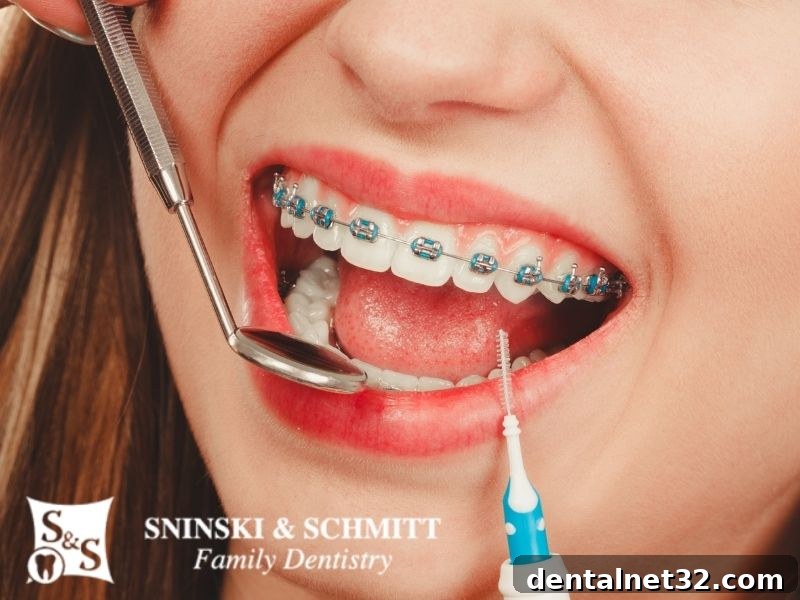
Embarking on an orthodontic journey with braces is a significant investment in your long-term dental health and confidence. However, this path to a perfect smile comes with a crucial responsibility: maintaining exceptional oral hygiene. Traditional braces, with their intricate network of brackets and wires, create new challenges for keeping teeth clean. They can easily trap food particles and plaque, creating an ideal environment for bacteria to thrive. Without a diligent cleaning routine, you risk developing cavities, which can compromise the success of your orthodontic treatment. Preventing cavities while wearing braces is paramount to ensuring that when they come off, you reveal a smile that is not only straight but also healthy and strong.
Understanding the risks and adopting the right habits from day one is the key to success. This comprehensive guide will walk you through everything you need to know about protecting your teeth from decay during your time in braces. We’ll explore why braces increase your cavity risk, detail the most effective cleaning techniques, and provide dietary advice to support your oral health. With the right knowledge and tools, you can navigate your orthodontic treatment with confidence, free from the worry of cavities.
Why Braces Can Increase Your Risk of Cavities
The very structure of traditional braces, designed to gently move your teeth into alignment, unfortunately also provides countless nooks and crannies for plaque to accumulate. Plaque is a sticky, colorless film of bacteria that constantly forms on your teeth. When you eat or drink items containing sugars and starches, the bacteria in plaque produce acids. These acids attack your tooth enamel, the hard, protective outer layer of your teeth. Over time, repeated acid attacks can break down the enamel, leading to the formation of a cavity.
The brackets, wires, and bands of your braces act as obstacles, making it significantly harder for your toothbrush bristles and floss to reach every surface of your teeth. Food particles can become lodged in and around this hardware, providing a continuous food source for plaque-causing bacteria. If this plaque isn’t removed effectively and regularly, it can harden into tartar (or calculus), a calcified deposit that can only be removed by a dental professional. The areas around the brackets are particularly vulnerable, and without proper care, you may notice “white spot lesions” when your braces are removed. These are early signs of enamel demineralization and can be the first stage of a cavity.
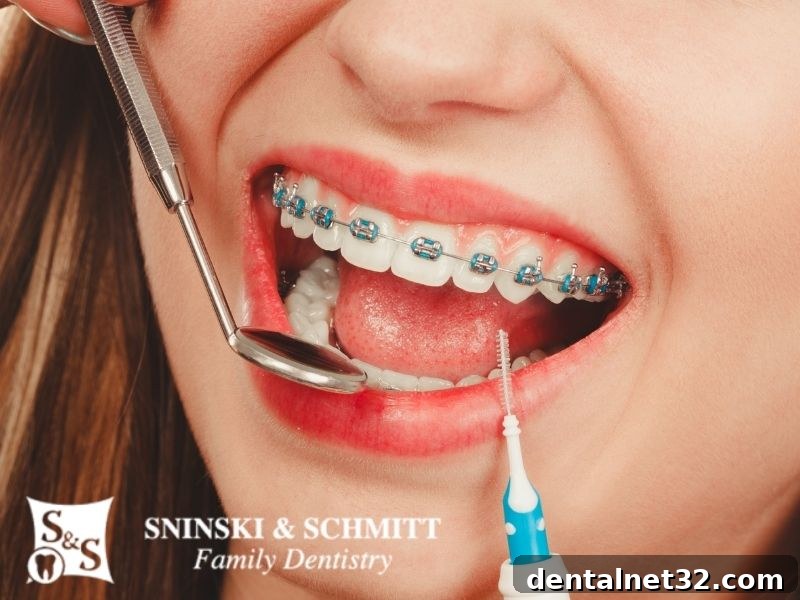
This increased risk is why orthodontists and dentists emphasize a more rigorous oral hygiene routine for patients with braces. It’s not just about brushing and flossing; it’s about learning new techniques to navigate the orthodontic appliances effectively. Protecting your teeth during this period is essential to ensure that your final result is a beautiful, healthy, and cavity-free smile. For younger patients, it’s especially important for parents to supervise and assist in their cleaning routine to establish good habits early on.
Mastering Your Oral Hygiene Routine with Braces
A proactive and meticulous approach to oral hygiene is your best defense against cavities while wearing braces. Your standard two-minute brush twice a day might not be enough anymore. You’ll need to adapt your routine and incorporate specialized tools to ensure a thorough clean every time. Here is a detailed breakdown of the essential practices:
- Diligent Brushing: You should aim to brush your teeth after every meal and snack, or at a minimum, twice a day. Use a soft-bristled toothbrush and a fluoride toothpaste. Fluoride is crucial as it helps to strengthen and remineralize tooth enamel, making it more resistant to acid attacks. When brushing, angle your toothbrush at 45 degrees to clean the gum line, then adjust the angle to brush thoroughly above and below each bracket. Use gentle, circular motions to dislodge any trapped food particles.
- Specialized Brushing Tools: An interproximal brush, also known as a proxy brush, is an invaluable tool. This small, cone-shaped brush is designed to clean the tight spaces between your teeth and under the archwire, areas that a regular toothbrush can’t reach effectively.
- Effective Flossing: Flossing with braces can be time-consuming, but it is absolutely non-negotiable. Plaque buildup between teeth is a primary cause of cavities. To floss with braces, you will need a floss threader—a small, flexible tool that helps you guide the floss underneath the archwire. Once the floss is in position, gently clean the sides of both adjacent teeth. Alternatively, you can use orthodontic flossers or a water flosser (like a Waterpik) to help flush out debris from hard-to-reach areas.
- Rinse with Mouthwash: Incorporating an antiseptic or fluoride mouthwash into your daily routine can provide an extra layer of protection. A fluoride rinse helps strengthen your enamel, while an antiseptic mouthwash can help reduce bacteria and inflammation in your gums. Swish vigorously for 30-60 seconds after brushing and flossing.
- Rinse with Water: If you’re unable to brush after a meal or snack, vigorously rinsing your mouth with water can help dislodge food particles and neutralize harmful acids. While it’s not a substitute for brushing, it’s a helpful interim step.
- Don’t Skip Professional Cleanings: Continue to schedule regular dental checkups and cleanings with your general dentist every six months, or as recommended. Your dental hygienist has specialized tools to clean around your braces more effectively than you can at home and can spot any potential issues before they become serious problems.
The Critical Role of Diet in Preventing Cavities
What you eat plays a direct and significant role in your oral health, especially when you have braces. Certain foods can not only increase your risk of tooth decay but can also damage your orthodontic appliances, leading to costly repairs and extended treatment times. Making smart food choices is a cornerstone of preventing cavities during your orthodontic journey.
Foods to Enjoy and Promote Oral Health
Focus on a balanced diet rich in vitamins and minerals that support strong teeth and gums. Many delicious and healthy options are perfectly safe for your braces:
- Soft Foods: Especially after an adjustment when your teeth may be sensitive, soft foods are your best friend. Think yogurt, smoothies, mashed potatoes, soups, scrambled eggs, and cooked vegetables.
- Well-Cooked Grains: Soft-cooked rice, pasta, and oatmeal are easy to eat and less likely to get stuck in your braces compared to chewier grains.
- Lean Proteins: Tender cuts of fish, chicken, tofu, and well-cooked beans are excellent protein sources that are gentle on your orthodontic hardware.
- Dairy Products: Milk, cheese, and yogurt are not only soft but also rich in calcium and phosphates, which help strengthen your tooth enamel.
- Fruits and Vegetables: Don’t skip these essential food groups! Simply modify how you eat them. Cut hard fruits like apples into thin slices, and steam or boil crunchy vegetables like carrots and broccoli to soften them.
Foods and Drinks to Avoid or Limit
Steering clear of certain foods and drinks is crucial to protect both your teeth and your braces from damage and decay:
- Sugary and Starchy Foods: Candy, cookies, cakes, and other sugary treats feed the harmful bacteria in your mouth, leading to acid production and cavities. Starchy foods like potato chips can also get easily trapped in your brackets and break down into sugar.
- Sticky and Chewy Foods: Foods like caramel, taffy, chewing gum, and fruit snacks are a major threat. They can get stuck in your braces, are extremely difficult to clean off, and can even pull off brackets or bend wires.
- Hard and Crunchy Foods: Biting into hard items like nuts, popcorn, hard candies, and ice can easily break a bracket or bend a wire. You should also avoid chewing on non-food items like pens or your fingernails.
- Acidic and Sugary Drinks: Sodas, sports drinks, energy drinks, and even many fruit juices are high in both sugar and acid. This combination is incredibly damaging to tooth enamel, accelerating decay and increasing the risk of staining around your brackets. Stick to water as your primary beverage.
Partner with Your Dentist for a Healthy Smile
Successfully preventing cavities while wearing braces is a team effort between you, your orthodontist, and your general dentist. By combining a meticulous at-home oral hygiene routine with a braces-friendly diet and regular professional care, you can ensure that your orthodontic treatment concludes with the healthy, beautiful smile you’ve always wanted. Remember that the extra effort you put in today is an investment in a lifetime of oral health.
The dental professionals at Sninski & Schmitt Family Dentistry are highly experienced in helping patients, including children and teens, navigate the challenges of oral care with braces. We work alongside your orthodontist to provide comprehensive cleanings and monitor your dental health throughout your treatment. If you have questions about keeping your teeth clean and cavity-free with braces, we are here to help. Contact your trusted Cary and Holly Springs dental team at Sninski & Schmitt Family Dentistry to schedule an appointment. We are welcoming new patients. You can call our Holly Springs office at 919-600-6262 or our dentist in Cary at 919-467-2203 to get started.