
Excellent oral health is a cornerstone of your overall well-being, influencing everything from your ability to enjoy food to your confidence in social situations. A healthy smile allows you to eat, speak, and interact without pain or self-consciousness. Achieving and maintaining this level of dental health is a lifelong journey that involves a balanced diet, consistent daily care like brushing and flossing, and, crucially, regular professional dental checkups and cleanings. These routine visits are not just about polishing your teeth; they are essential for preventing serious issues and catching potential problems early.
To ensure your smile remains bright and healthy, scheduling regular appointments with your dentist is non-negotiable. During these visits, a dental professional can identify underlying issues you might not be aware of, from the beginnings of a cavity to early signs of gum disease. Based on this examination, they can develop a personalized treatment plan tailored to your specific needs. By committing to this routine, you take a proactive stance on your oral health, ensuring that your teeth and gums stay in optimal condition for years to come.
Whether you are preparing for a routine six-month cleaning or a more complex dental procedure, a little preparation can make a significant difference in your experience. A smooth, stress-free visit is beneficial for both you and your dental team. To help you feel confident and ready, we’ve compiled a comprehensive guide with essential tips to prepare for your next dentist appointment.
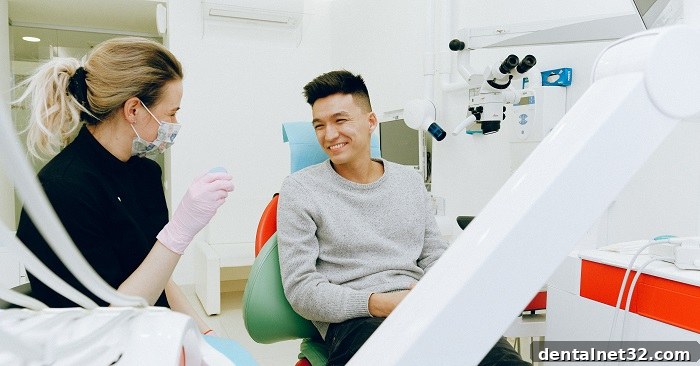
1. Confirm Your Dental Appointment in Advance
Modern dental practices often use automated systems to help you remember your appointments. You may receive an email, text message, or an automated phone call a few days or weeks beforehand. It is crucial to respond to these reminders promptly. Confirming your slot ensures that the time is reserved exclusively for you. If your schedule has changed, declining or rescheduling as early as possible allows the office to offer the time to another patient in need. This simple step also helps you double-check the date and time, preventing any mix-ups and ensuring you don’t miss your valuable appointment.
2. Arrange for the Transfer of Your Dental Records
If you are visiting a new dental office for the first time, providing your new dentist with your complete dental history is vital for continuity of care. Contact your previous dental practice and request that they transfer your records. This file typically includes past X-rays, treatment notes, and information about any specific conditions. Having these records on hand allows your new dentist to get a comprehensive understanding of your oral health history without needing to perform redundant tests or X-rays, saving you time and money while ensuring they make the most informed decisions about your care.
3. Prepare Your Payment and Insurance Information
Navigating the financial aspect of dental care is much smoother when you come prepared. Before your visit, take a moment to confirm your dental insurance coverage. Understand what your plan covers for routine checkups, cleanings, and any potential procedures you might need. Have your physical or digital insurance card ready to present at the front desk. If you are paying out-of-pocket, be aware of the office’s payment policies. Knowing this information beforehand eliminates stress and ensures a seamless check-in and check-out process.
4. Compile a Complete List of Medications and Dosages
Your overall health is intrinsically linked to your oral health, and the medications you take can have a significant impact. It is absolutely essential that your dentist is aware of every medication you are on, including prescriptions, over-the-counter drugs, vitamins, and supplements. Certain medications can cause dry mouth, which increases the risk of cavities, while others may affect bleeding or interact with anesthetics. To ensure your safety, create a detailed list with the name of each medication and its dosage, or simply bring the bottles with you to your appointment. This allows your dentist to provide safe and effective treatment.
5. Plan to Arrive a Few Minutes Early
Punctuality helps set a calm tone for your entire visit. If you are a new patient, you will need to fill out new patient forms, which can take 10-15 minutes. Even as an established patient, arriving early is a good practice. It gives you a moment to relax in the waiting room, use the restroom, and handle any administrative tasks without feeling rushed. Rushing can elevate stress and anxiety, so giving yourself a buffer is a simple way to promote a more positive and relaxed experience from the moment you walk in the door.
6. Avoid Caffeine and Stimulants Before Your Appointment
While a morning cup of coffee is a ritual for many, it might be best to skip it on the day of your dental appointment. Caffeine is a stimulant that can increase feelings of anxiety and make you feel jittery. This can make it more challenging to sit still and comfortably in the dental chair. Furthermore, caffeine can sometimes elevate your heart rate and blood pressure, which your dental team may monitor before certain procedures. Opt for water instead to stay hydrated and calm.
7. Write Down Your Questions and Concerns
Your dental appointment is the perfect opportunity to get expert advice about your oral health. However, it’s easy to forget your questions in the moment. Before your visit, take some time to think about anything that has been on your mind. Are you experiencing tooth sensitivity? Are you curious about teeth whitening options? Do you have concerns about your gums? Write these questions down in a notebook or on your phone. Having a list ready ensures you can have a productive conversation with your dentist and leave the appointment with the answers and peace of mind you need.
8. Don’t Forget to Bring Your Oral Appliances
If you use any type of removable oral appliance, be sure to bring it with you to your appointment. This includes orthodontic retainers, night guards for grinding (bruxism), mouth guards for sports, or appliances for sleep apnea. Just like your teeth, these devices can accumulate tartar and bacteria. Your dentist or hygienist can professionally clean them for you. They can also check the fit and condition of the appliance to ensure it is still functioning correctly and not causing any issues for your teeth or jaw.
9. Communicate Your Anxiety or Fear
Dental anxiety is incredibly common, and you should never feel embarrassed to discuss it with your dental team. Being open about your fears is the first step toward managing them. Dentists are trained to help nervous patients feel comfortable. They can employ various techniques, such as explaining each step of the procedure before they do it, offering breaks, or providing distractions like music or television. For more significant anxiety, sedation options may be available. Honest communication creates a partnership, allowing your dentist to tailor the experience to your comfort level and help you overcome your fears.
Schedule Your Next Dental Checkup Today
Regular dental care is a vital investment in your long-term health and confidence. By following these preparatory steps, you can transform your dental visits into positive, productive, and stress-free experiences. If you are due for a cleaning or have concerns about your oral health, don’t hesitate to reach out to a local dental professional. We welcome new patients and work with a wide range of insurance plans to make quality care accessible. Contact our office by phone or fill out our online form to schedule an appointment and take the next step toward a healthier, happier smile.