
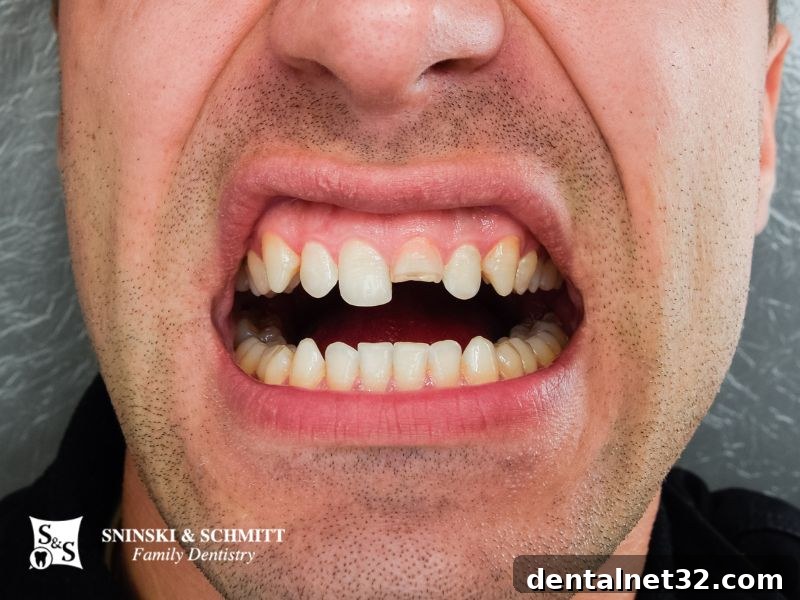
It can happen in an instant. A stray popcorn kernel, a fall on the sidewalk, or even just biting down at the wrong angle—suddenly, you feel a rough, sharp edge on a tooth that was smooth just a moment before. A chipped tooth is a startling and often distressing experience, but it’s one of the most common dental injuries. While your first instinct might be to panic, it’s important to know that effective treatments are readily available. Your response in the moments following the injury, and your decision to seek professional care, can make all the difference in preserving your tooth and restoring your smile.
Whether the chip is a tiny, cosmetic inconvenience or a major fracture causing significant pain, it should never be ignored. Even a small break can weaken the tooth’s structure and create a pathway for bacteria, leading to more severe problems like decay or infection down the line. This comprehensive guide will walk you through everything you need to know about a chipped tooth, from its underlying causes and immediate first-aid steps to the advanced professional treatments that can make your tooth whole again. Understanding your options is the first step toward a successful and speedy recovery.
What Causes a Chipped Tooth? Understanding the Risks
A chipped tooth occurs when a piece of enamel, the hard, protective outer layer of your tooth, breaks away. While enamel is the hardest substance in the human body, it is not indestructible. The damage can range from a minor cosmetic chip to a severe fracture that exposes the sensitive inner layers of the tooth. Understanding the causes can help you prevent future injuries.
Common causes of chipped teeth often fall into a few key categories:
- Direct Trauma or Impact: This is one of the most frequent causes. Injuries from contact sports, car accidents, a fall, or a blow to the face can easily chip or break a tooth.
- Biting Down on Hard Objects: Chewing on ice, hard candy, nuts, or even a pen cap can exert enough focused pressure to fracture enamel. Similarly, biting down on an unpopped popcorn kernel or a small bone can cause a chip.
- Bruxism (Teeth Grinding): Chronic teeth grinding, especially during sleep, places immense and prolonged stress on your teeth. Over time, this constant pressure can wear down enamel and lead to chips, cracks, and fractures.
- Sudden Temperature Changes: Exposing your teeth to rapid and extreme temperature changes, such as eating something very hot and then drinking ice-cold water, can cause tiny cracks in the enamel, making it more susceptible to chipping.
Risk Factors That Weaken Teeth and Increase Chipping Vulnerability
Sometimes, a tooth chips without any obvious trauma. This often happens because the tooth was already weakened by underlying conditions. Several factors can compromise the structural integrity of your enamel, making you more prone to chipping:
- Tooth Decay and Cavities: Cavities are essentially areas of decay that eat away at the tooth structure. A tooth with a cavity is hollowed out and significantly weaker, making it highly susceptible to chipping and breaking.
- Large Fillings: While dental fillings restore a tooth after a cavity, a very large filling can sometimes weaken the remaining natural tooth structure around it, increasing the risk of a fracture.
- Acidic Foods and Drinks: A diet high in sugar and acid (from sodas, citrus fruits, and coffee) can erode tooth enamel over time. This erosion thins the protective layer, leaving the tooth more vulnerable to damage.
- Acid Reflux or GERD: Conditions like gastroesophageal reflux disease (GERD) expose your teeth to powerful stomach acids. This chronic acid exposure can severely break down enamel, particularly on the back surfaces of your teeth.
- Age: As we age, our teeth naturally endure years of wear and tear. Enamel can become thinner, and the risk of chipping increases, particularly for individuals over the age of 50.
Symptoms of a Chipped Tooth: What to Look For
The signs of a chipped tooth can vary greatly depending on the size and location of the break. Sometimes the evidence is obvious, while other times it’s more subtle.
- Feeling a Rough or Jagged Edge: The most common sign is discovering a sharp or uneven surface with your tongue that wasn’t there before.
- Visible Damage: If the chip is on a front tooth, you will likely be able to see the missing piece in a mirror.
- Pain or Sensitivity: If the chip is large enough to expose the dentin (the layer beneath the enamel), you may experience sensitivity to hot, cold, or sweet foods and drinks. If the pulp (the innermost part containing the nerve) is exposed, you may feel a sharp, persistent pain.
- Irritation: The sharp edge of a chipped tooth can irritate or cut your tongue, cheek, or lips.
- Pain When Biting: Pressure from chewing can cause discomfort or a sharp pain if the chip has compromised the tooth’s structure.
Immediate First Aid for a Chipped Tooth: What to Do Right Away
If you chip a tooth, it’s crucial to see a dentist as soon as possible. However, there are several first-aid measures you can take immediately to manage pain and protect your mouth until your appointment:
- Rinse Your Mouth: Gently rinse with warm salt water. This will help clean the area and reduce the risk of infection.
- Save the Fragment: If you can find the piece that broke off, save it. Place it in a small container with milk or your own saliva to keep it moist. In some rare cases, a dentist may be able to reattach it.
- Manage Bleeding: If there is any bleeding, apply gentle pressure to the area with a clean piece of gauze or a damp teabag for about 10 minutes or until the bleeding stops.
- Reduce Swelling and Pain: Apply a cold compress or ice pack to the cheek or lip area over the injured tooth to help reduce swelling. Over-the-counter pain relievers like ibuprofen can help manage any discomfort.
- Protect Your Mouth: To avoid cutting your tongue or cheek on the sharp edge of the tooth, you can cover it with a piece of sugar-free gum or temporary dental wax, which is available at most pharmacies.
- Eat Soft Foods: Avoid biting down on the chipped tooth. Stick to soft foods and avoid anything very hot, cold, or sugary until you see your dentist.
Professional Chipped Tooth Repair: Your Treatment Options
The best treatment for a chipped tooth depends on the severity of the damage, the location of the tooth, and your overall oral health. Your dentist will assess the situation and recommend the most appropriate solution.
Dental Bonding or Filling
For small, minor chips, especially on front teeth, dental bonding is a common, quick, and cost-effective solution. Your dentist will apply a tooth-colored composite resin to the damaged area. The resin is carefully sculpted to match the natural shape of your tooth and then hardened with a special UV light. The result is a seamless repair that restores the tooth’s appearance and function in a single visit, usually without the need for anesthesia.
Dental Crown
If a large piece of the tooth has broken off or if the tooth has significant decay, a dental crown may be necessary. A crown is a tooth-shaped cap that is placed over the entire remaining tooth structure, providing strength, protection, and a natural appearance. The process typically involves shaping the existing tooth, taking an impression to create the custom crown, and placing a temporary crown while the permanent one is made in a dental lab. Crowns are made from durable materials like porcelain, ceramic, or zirconia.
Porcelain Veneer
For a chipped front tooth where the damage is primarily cosmetic, a porcelain veneer is an excellent option. A veneer is a very thin, custom-made shell of tooth-colored porcelain that is bonded to the front surface of the tooth. It effectively covers the chip and can also be used to correct other imperfections like discoloration or gaps, resulting in a beautiful, natural-looking smile.
Root Canal Therapy
When a chip is so severe that it exposes the tooth’s pulp—the central part containing nerves and blood vessels—bacteria can enter and cause a painful infection. In this case, a root canal is required to save the tooth. The procedure involves removing the infected or damaged pulp, cleaning and disinfecting the inside of the tooth, and then filling and sealing it. After a root canal, the tooth is no longer vital and is more brittle, so it is almost always covered with a dental crown to protect it from future fractures.
Onlay or Inlay
For molars with damage that is too extensive for a simple filling but not severe enough to require a full crown, an onlay or inlay might be recommended. These are sometimes called “partial crowns.” They are custom-made pieces of porcelain or composite resin that fit into or onto the tooth’s chewing surface to restore its shape and strength, conserving more of the natural tooth structure than a full crown.
Don’t Delay: Why Timely Treatment for a Chipped Tooth Matters
A chipped tooth is more than just a cosmetic issue—it’s a dental emergency that requires professional care. Ignoring it can allow the damage to worsen, potentially leading to a more complex and expensive treatment down the road. If you’ve chipped a tooth, take immediate first-aid steps and contact your dentist right away to schedule an evaluation. With modern dental technology, repairing a chipped tooth is a straightforward process that can quickly restore your comfort, function, and confidence in your smile.