
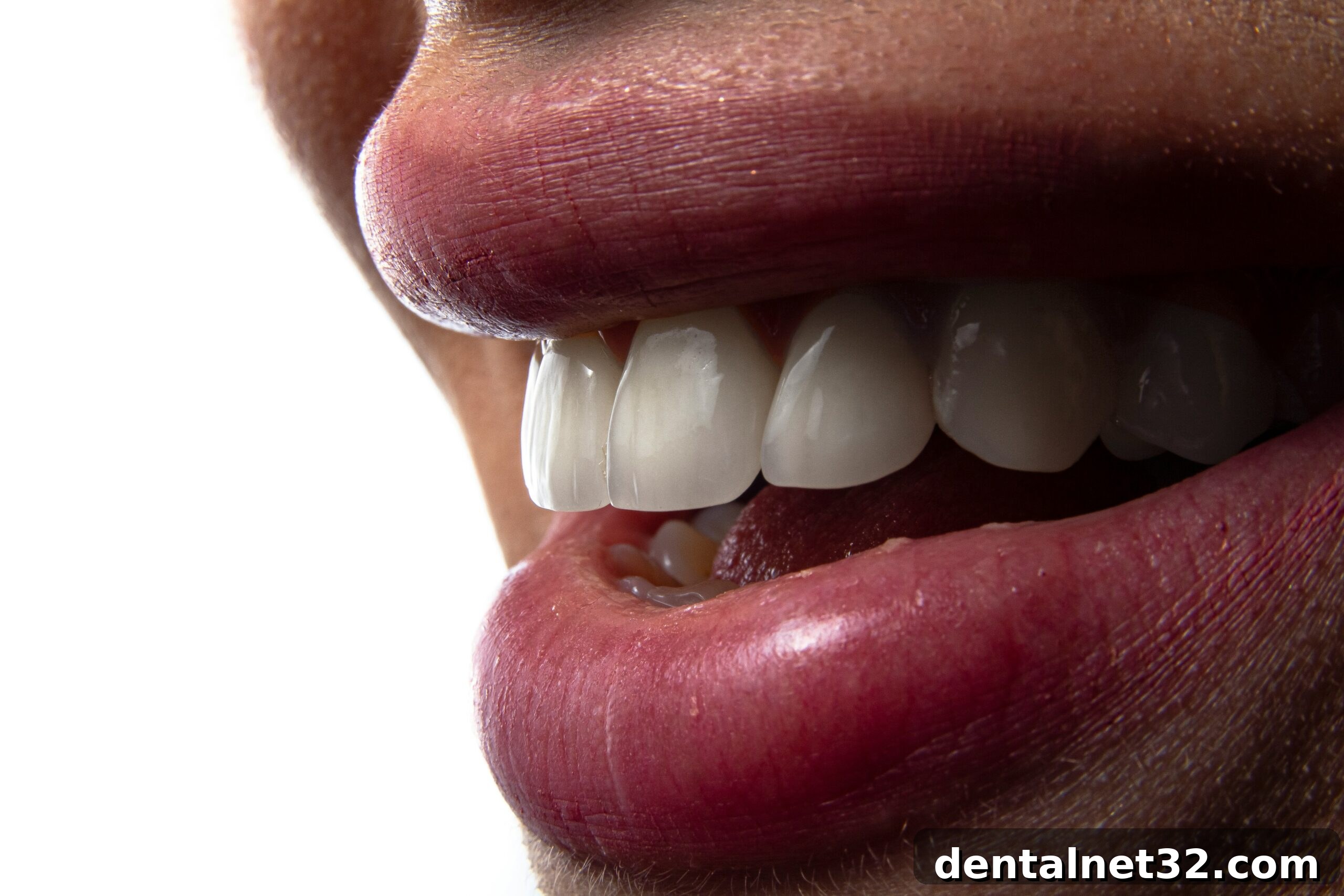
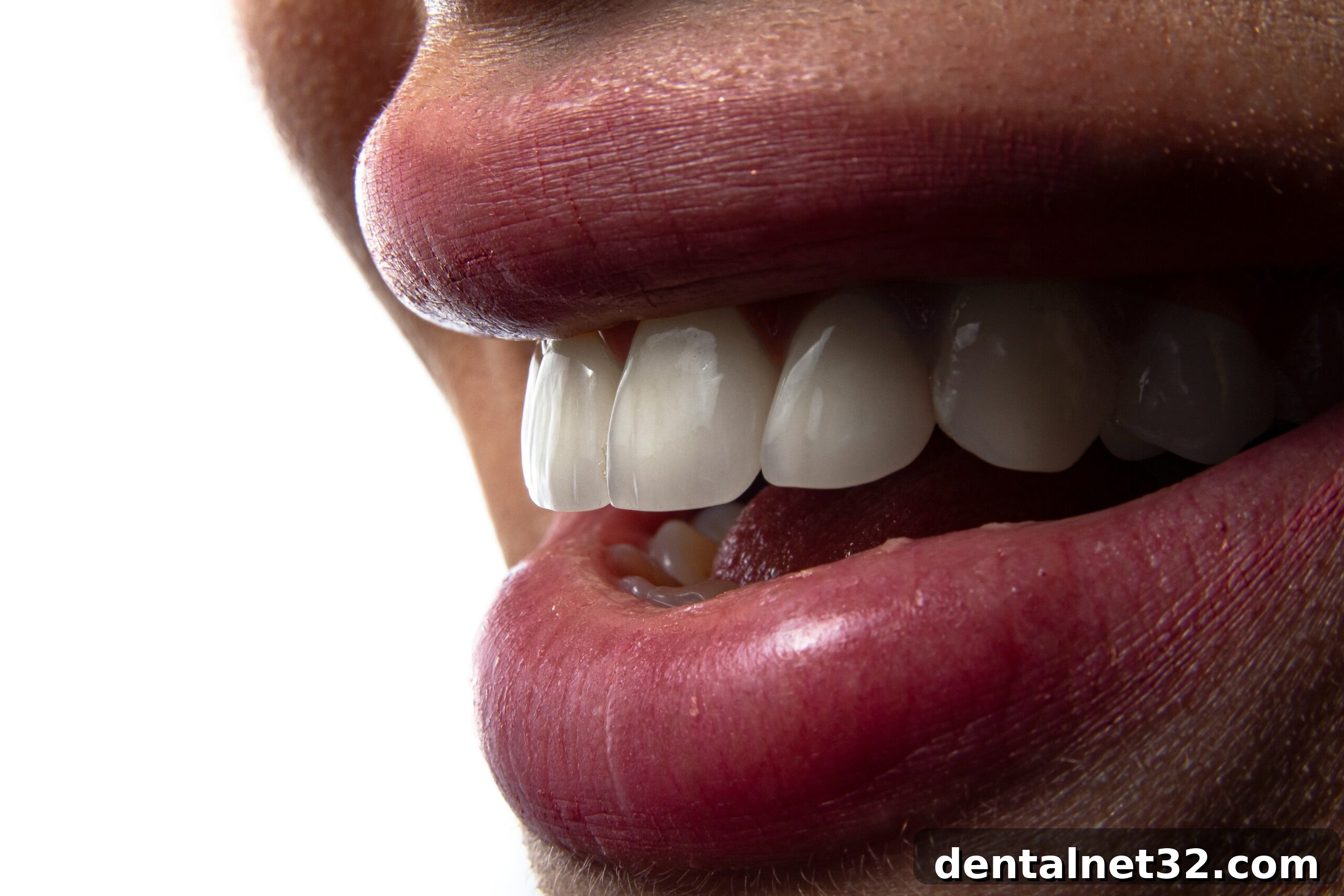
Your Ultimate Guide to Professional Teeth Whitening
A radiant, white smile can dramatically boost your confidence and refresh your entire appearance. It’s one of the most requested cosmetic dental procedures for a reason. If you’ve been considering professional teeth whitening to erase years of stains and achieve a brighter look, it’s essential to be well-informed before you begin. Understanding the process, potential outcomes, and best practices ensures you have a safe, effective, and positive experience.
The success of your whitening journey depends heavily on the method you choose and your current oral health. While over-the-counter products are widely available, professional treatments supervised by a dentist offer superior safety and more predictable results. Dentists use high-concentration, professional-grade whitening gels that are formulated to effectively lift stubborn stains and significantly lighten the natural shade of your teeth, giving you a result that drugstore kits simply cannot match.
What is Teeth Whitening and Why Is It So Popular?
Teeth whitening is a cosmetic dentistry procedure designed to improve the aesthetics of your smile by reducing discoloration and staining. The primary goal is to restore the natural color of your teeth or even lighten them beyond their original shade. This is typically achieved using bleaching agents, most commonly hydrogen peroxide or carbamide peroxide, which break down stains into smaller, less concentrated particles, making your teeth appear brighter.
There are several methods available, from in-office treatments that use high-powered gels and specialized lights to custom-made take-home trays provided by your dentist. The popularity of teeth whitening stems from its ability to deliver a significant cosmetic improvement in a relatively short amount of time, making it a perfect solution for special events like weddings, job interviews, or simply for a personal confidence boost.
Understanding Tooth Discoloration: Why Do Teeth Get Stained?
Before diving into the whitening process, it helps to understand why teeth lose their sparkle in the first place. There are two main categories of tooth stains, and identifying which type you have is crucial for determining the most effective treatment.
Extrinsic Stains: The Surface-Level Culprits
Extrinsic stains are the most common type of discoloration and affect the outer layer of the tooth, known as the enamel. These stains are caused by pigments from foods, drinks, and other lifestyle habits that accumulate over time. Common culprits include:
- Dark-Colored Beverages: Coffee, tea, red wine, and dark sodas are notorious for staining teeth.
– Certain Foods: Berries, tomato sauce, soy sauce, and curry contain strong pigments that can cling to enamel.
– Tobacco Use: Both smoking and chewing tobacco leave behind stubborn yellow or brown stains.
The good news is that extrinsic stains are the easiest to remove. Professional teeth whitening treatments are highly effective at breaking down and lifting these surface-level discolorations.
Intrinsic Stains: Deeper Discoloration
Intrinsic stains originate from within the tooth structure, affecting the dentin layer that lies beneath the enamel. These stains are more challenging to treat and may not respond as well to traditional whitening methods. Causes of intrinsic staining include:
-
– Trauma or Injury: An injury to a tooth can cause it to darken as it produces more dentin to protect itself.
– Medications: Certain antibiotics, like tetracycline, taken during childhood when teeth are developing, can cause permanent gray or brown banding.
– Genetics and Aging: Some people are born with naturally thinner enamel, which allows the yellowish dentin to show through. As we age, enamel naturally thins, making teeth appear more yellow.
– Excessive Fluoride: Overexposure to fluoride during childhood (fluorosis) can lead to white spots or streaks on the teeth.
For deep intrinsic stains, your dentist might recommend alternative cosmetic treatments like dental veneers or bonding if whitening proves ineffective.
5 Critical Things to Know Before Whitening Your Teeth
Embarking on a teeth whitening journey is exciting, but being prepared can make all the difference. Here are five essential points to consider before you schedule your appointment to ensure you get the beautiful, lasting results you desire.
1. Whitening Results Are Not One-Size-Fits-All
It’s a common misconception that everyone can achieve a Hollywood-bright, paper-white smile. In reality, the outcome of teeth whitening is highly individual. Your final results will depend on several factors, including the original shade of your teeth, the thickness of your enamel, and the type of stains you have. As mentioned, surface-level stains from coffee or smoking tend to respond exceptionally well to treatment. In contrast, deeper, intrinsic stains from medication or injury may only lighten slightly or not at all. A professional consultation is crucial for setting realistic expectations based on your unique dental profile.
2. Professional Treatment Outperforms Over-the-Counter Options
While whitening toothpaste, strips, and generic LED kits are tempting due to their low cost and convenience, they rarely deliver the same level of effectiveness or safety as a professional treatment. Over-the-counter products use a much lower concentration of whitening agent, which means results are often subtle and take much longer to appear. Furthermore, their one-size-fits-all design can lead to uneven whitening and significant gum irritation if the bleaching gel comes into contact with soft tissues. Dentist-supervised whitening offers a controlled, customized, and safer approach, ensuring your gums are protected and the treatment is tailored specifically to your needs.
3. Tooth Sensitivity is a Possible, But Manageable, Side Effect
One of the most common concerns about teeth whitening is the potential for temporary tooth sensitivity. The active ingredients in whitening gels can temporarily make your enamel more porous, exposing the microscopic tubules that lead to the tooth’s nerve. This can cause sharp but brief sensitivity to hot or cold temperatures. Fortunately, this side effect is usually mild and subsides within a day or two after treatment. To minimize discomfort, you can use a desensitizing toothpaste for a week or two before your procedure. Your dentist can also apply a desensitizing agent or recommend a lower-concentration gel if you have a history of sensitive teeth.
4. The Dazzling Results Are Not Permanent
Professional teeth whitening can deliver stunning results, but they require maintenance to last. Your teeth are still susceptible to staining from the same foods, drinks, and habits that caused the initial discoloration. To prolong the life of your brighter smile, it’s essential to practice good oral hygiene, including daily brushing and flossing. You should also try to limit your consumption of staining agents like red wine and coffee or use a straw when you do indulge. Regular dental cleanings and periodic at-home touch-up treatments with a custom tray provided by your dentist can help keep your smile looking its best for years to come.
5. Whitening Gels Only Work on Natural Teeth
This is a critical point that many people overlook. The bleaching agents used in teeth whitening are designed to work on natural tooth enamel. They will not change the color of dental restorations such as crowns, veneers, fillings, or dental bonding. These materials are made from porcelain or composite resin, which are impervious to whitening agents. If you have visible restorations on your front teeth, whitening your natural teeth around them can create an uneven, mismatched appearance. The best approach is to whiten your natural teeth first and then have your dentist replace the old restorations to perfectly match your new, brighter shade.

Take the First Step Towards a Brighter Smile Today
Achieving a whiter, more confident smile is an attainable goal, but doing it safely and effectively under professional guidance is paramount. A cosmetic dentist can properly assess your oral health, discuss your goals, and create a customized treatment plan that delivers beautiful, predictable results while prioritizing your comfort and safety. They can help you navigate potential issues like sensitivity and create a long-term strategy for maintaining your stunning new smile.
If you’re ready to transform your smile and boost your confidence, don’t rely on guesswork with drugstore products. Schedule a consultation with a trusted dental professional to explore your options. A thorough examination and an open conversation about what to expect will set you on the right path to the radiant smile you’ve always wanted.