
The Unseen Dangers of Not Flossing: A Deep Dive into Your Oral and Overall Health
A comprehensive oral hygiene routine is built on two fundamental pillars: brushing at least twice a day and flossing at least once daily. While brushing is often seen as the star player, flossing is the unsung hero, tackling the plaque and food debris hidden between your teeth and along the gum line where a toothbrush simply cannot reach. Unfortunately, it’s also the step most easily forgotten or intentionally skipped. This seemingly small omission can have significant consequences. When flossing isn’t a regular habit, plaque accumulates, gums become inflamed, the risk of cavities skyrockets, and surprisingly, your overall systemic health can be compromised.
Prioritizing daily flossing is a cornerstone of preventative dental care. In this comprehensive guide, we will explore the critical role flossing plays in your health and illuminate the cascading problems that arise from neglecting this simple yet powerful habit. Never underestimate the profound impact of what happens when you don’t floss regularly.
Why Daily Flossing is Non-Negotiable for a Healthy Smile
Though it takes only a couple of minutes, flossing is a crucial investment in your long-term oral wellness. Its primary function is to meticulously remove the biofilm of plaque and trapped food particles from the tight spaces between your teeth. This daily intervention is your best defense against common dental issues like gum disease, tooth decay, and persistent bad breath. Furthermore, it stimulates the gums, keeping them healthy and preventing the buildup of tartar—a hardened form of plaque that requires professional removal and can lead to more severe dental complications.
Here are the key benefits you gain from incorporating flossing into your daily routine:
Defense Against Gum Disease: Flossing dislodges the harmful bacteria and plaque that irritate and inflame the gums. This prevents the onset of gingivitis, the initial, reversible stage of gum disease. If left unchecked, gingivitis can advance to periodontitis, a serious infection that destroys gum tissue and the bone supporting your teeth.
Prevention of Cavities: Plaque is a sticky, acidic film of bacteria. When it’s not removed from between the teeth, the acid eats away at your tooth enamel, creating cavities. Flossing cleans these vulnerable surfaces before the plaque can cause irreversible damage or harden into tartar.
Fresher Breath: The primary cause of bad breath (halitosis) is often the decomposition of food particles and bacteria trapped in your mouth. Flossing removes this source material from between your teeth, leading to noticeably fresher breath and a cleaner feeling.
Protection of Overall Health: A growing body of scientific evidence reveals a strong link between oral health and systemic health. Chronic inflammation and infections in the gums have been connected to serious conditions like heart disease, stroke, and diabetes. By maintaining excellent oral hygiene through flossing, you are actively contributing to your overall health and well-being.
The Alarming Consequences of Neglecting to Floss
The risks associated with not flossing are substantial, affecting not only your mouth but your entire body. The longer you go without this essential practice, the more likely you are to develop the following conditions, which can range from minor annoyances to severe health crises.
Plaque and Tartar Accumulation
When you skip flossing, you allow plaque to thrive in the areas your toothbrush can’t reach. This biofilm, composed of bacteria, food remnants, and saliva, is the root cause of most dental problems. If not removed within 24-48 hours, it begins to mineralize and harden into tartar (or calculus). Once tartar forms, it cannot be removed by brushing or flossing at home. It creates a rough surface that encourages even more plaque buildup and must be professionally scraped away by a dentist or hygienist during a dental cleaning.
Gingivitis: The Initial Stage of Gum Disease
The accumulation of plaque along the gum line triggers an inflammatory response from your body. This is gingivitis, the earliest form of gum disease. Symptoms include red, swollen, and tender gums that may bleed easily when you brush. The good news is that gingivitis is completely reversible with a return to diligent oral hygiene, including daily flossing and a professional dental cleaning.
Periodontitis: Advanced Gum Disease
If gingivitis is ignored, the inflammation progresses into periodontitis. In this advanced stage, the infection goes deeper, forming pockets between the teeth and gums. The body’s immune response, combined with bacterial toxins, begins to break down the bone and connective tissues that hold your teeth in place. This can lead to gum recession, loose teeth, and eventual tooth loss.
Interproximal Cavities (Cavities Between Teeth)
The acids produced by plaque bacteria are particularly damaging to the enamel surfaces between your teeth. Without flossing, these acids have uninterrupted time to demineralize the enamel, leading to the formation of interproximal cavities. These cavities are often invisible to the naked eye in their early stages and can only be detected with dental X-rays. If left untreated, they can penetrate deep into the tooth, causing pain and requiring extensive restorative work.
Bleeding Gums: A Clear Warning Sign
Healthy gums should never bleed. If you notice blood on your floss or in the sink after brushing, it’s a sign of inflammation caused by plaque buildup. Your gums are irritated and sensitive. While it might seem counterintuitive, the solution to bleeding gums is not to stop flossing but to floss more gently and consistently to remove the irritants causing the inflammation. Persistent bleeding is a signal that you should see your dentist.
Chronic Bad Breath (Halitosis)
When food particles, especially proteins, are left to decay between your teeth, bacteria break them down and release volatile sulfur compounds. These compounds are responsible for the unpleasant odor associated with chronic bad breath. Flossing physically removes the source of the smell, providing a solution that mouthwash and mints can only temporarily mask.
Long-Term Health Issues Linked to Poor Oral Hygiene
The consequences of not flossing extend far beyond your mouth. Over months and years, the chronic inflammation and bacterial load can contribute to serious systemic health problems.
Loose Teeth and Eventual Tooth Loss
As periodontitis destroys the supporting bone and ligaments around your teeth, they can become loose. The collagen and fibers that anchor teeth firmly in their sockets are weakened. While prompt and intensive dental treatment combined with impeccable home care can sometimes allow loosened teeth to tighten, severe damage is often irreversible. Ultimately, advanced gum disease is a leading cause of tooth loss in adults, which can impact your ability to chew, speak, and smile confidently.
Systemic Health Complications
The inflammation and bacteria from infected gums can enter your bloodstream and travel throughout your body, contributing to a host of chronic health issues. Research has established a significant link between gum disease and cardiovascular disease. Individuals with periodontitis may have a two to three times higher risk of heart attack or stroke. The chronic inflammation in the mouth is believed to contribute to inflammation in the blood vessels. Furthermore, poor oral health has been linked to difficulties in controlling blood sugar in type II diabetes, and has been associated with conditions like rheumatoid arthritis, osteoporosis, and even cognitive decline in diseases like Alzheimer’s.
How to Floss Correctly: A Step-by-Step Guide
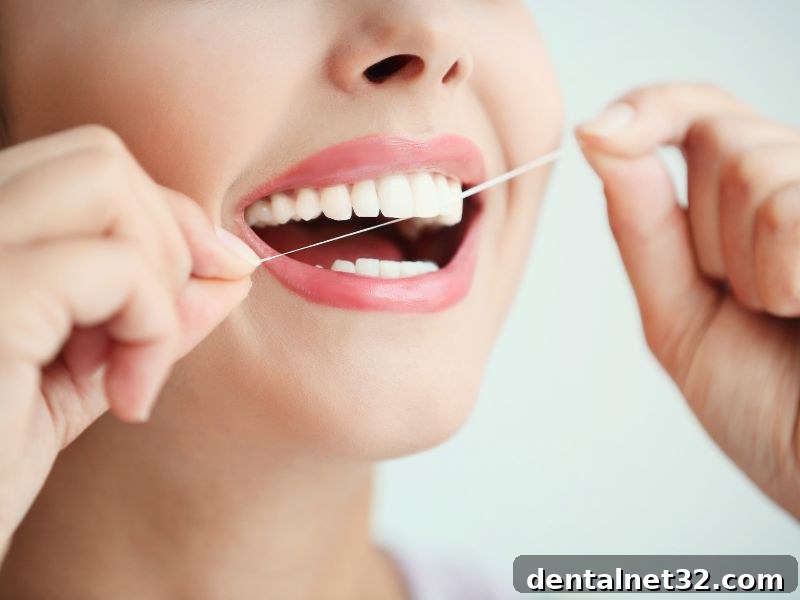
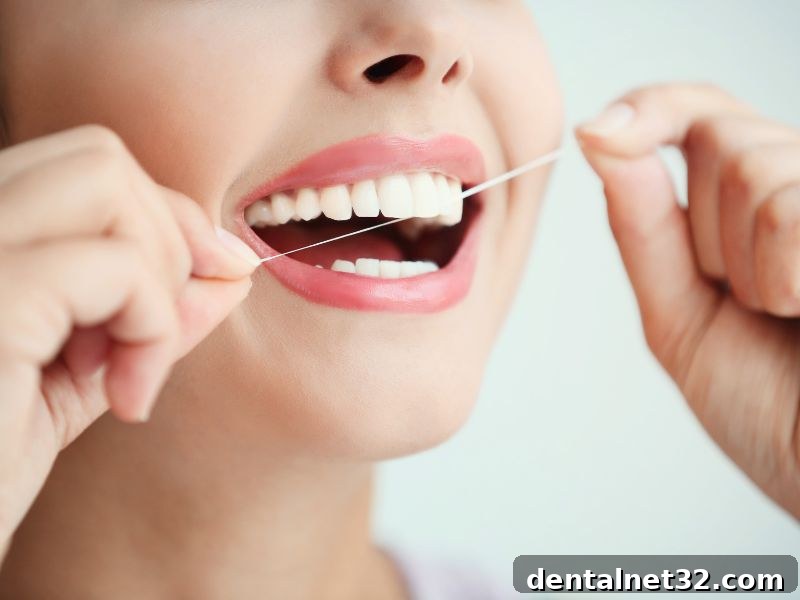
Using the proper technique is key to effective flossing. Follow these steps to ensure you’re cleaning your teeth correctly:
- Measure and Prepare: Start with about 18 inches (45 cm) of floss. Wind most of it around one of your middle fingers, and a small amount around the middle finger of the opposite hand. This second finger will be used to take up the used floss.
- Grip Securely: Hold a tight one- to two-inch section of floss between your thumbs and forefingers for precise control.
- Gentle Insertion: Carefully guide the floss between two teeth using a gentle, back-and-forth sawing motion. Avoid snapping the floss down into your gums, as this can cause trauma.
- Form the “C” Shape: Once the floss reaches the gum line, curve it into a “C” shape against one tooth. This ensures the floss wraps around the tooth surface for maximum contact.
- Clean Beneath the Gum Line: Gently slide the floss into the space between your gum and the tooth until you feel slight resistance. This area, called the sulcus, is a primary hiding spot for plaque.
- Wipe the Tooth Surface: Hold the floss firmly against the side of the tooth and move it away from the gum with up-and-down strokes. Repeat this process for the adjacent tooth in the same space. As you move from tooth to tooth, unwind a fresh section of floss.
- Don’t Forget the Backs: Be sure to floss the back side of your very last molars on both the top and bottom.
Proper brushing technique is also vital. You can learn more by reading about the Proper Way to Brush Teeth.
Tips for Making Flossing a Lifelong Habit
Understanding the benefits is the first step. Here are practical tips to help you make flossing an automatic part of your daily routine:
- Make it Visible: Keep your floss container right next to your toothbrush as a constant visual cue.
- Stash it Everywhere: Have floss readily available in your purse, car, desk drawer, or gym bag so you can floss whenever you have a moment.
- Explore Alternatives: If you find traditional string floss challenging, try tools like floss picks, interdental brushes, or a water flosser. The best tool is the one you will use consistently.
- Find a Floss You Love: Experiment with different types—waxed, unwaxed, flavored, or dental tape—to find one that feels most comfortable in your mouth.
- Habit Stacking: Link flossing to an existing habit. Commit to flossing immediately before or after you brush your teeth every morning or night.
- Set Digital Reminders: Use an alarm on your phone or a calendar notification to remind you to floss each day.
- Aim for Consistency, Not Perfection: When starting, focus on flossing every single day, even if your technique isn’t perfect. Improvement will come with practice.
- Track Your Success: Use a simple calendar or a habit-tracking app to mark off each day you floss. Seeing your streak grow can be a powerful motivator.
- Focus on the Feeling: Pay attention to how clean and fresh your mouth feels after flossing, and remind yourself of the long-term health benefits.
Schedule Your Dental Check-up Today
Flossing is a small daily action with enormous, long-lasting benefits for your health. Skipping this crucial step puts your teeth, gums, and overall well-being at unnecessary risk. If you are experiencing any issues with your teeth or gums, or simply need guidance on your oral hygiene routine, our professional and friendly team is here to help. We provide comprehensive family dentistry services to meet all your needs. Contact us to schedule an appointment by calling our Holly Springs office at (919) 600-6262 or our Cary office at (919) 467-2203. You can also easily request an appointment through our online contact form.