
The Hidden Costs of Delaying Dental Care: Why Waiting Costs You More
Many people put off visiting the dentist, and the primary reason is often the perceived cost. A survey from years past highlighted this trend, and it remains a significant concern for households today. The irony, however, is that delaying necessary dental treatment almost always leads to more complex, more invasive, and significantly more expensive procedures down the road. What starts as a minor issue can quickly spiral into a major dental and financial problem. Understanding this relationship is key to protecting both your oral health and your wallet.
Think of preventative dental care as a small, regular investment in your well-being. By brushing, flossing, and attending regular check-ups, you are actively working to prevent the onset of serious issues. This proactive approach is not only better for your health but is also the most cost-effective strategy for managing your dental care over a lifetime. Let’s explore why putting off that dental visit is a gamble you can’t afford to take.
The Escalation of Dental Problems: A Costly Domino Effect
Dental issues rarely resolve on their own. Instead, they follow a predictable path of progression, with each stage becoming more severe and costly to treat. This domino effect illustrates why early intervention is crucial.
Stage 1: The Small Cavity
It all begins with a tiny spot of decay on a tooth’s enamel. At this stage, you might not feel any pain or even notice it’s there. A routine dental exam, however, can easily detect it. The solution is simple and relatively inexpensive: a dental filling. This procedure involves removing the decayed portion of the tooth and filling the area with a composite or amalgam material, restoring the tooth’s function and preventing further decay. The cost is manageable, and the appointment is typically short.
Stage 2: The Deepening Decay and Toothache
If that small cavity is ignored, the decay continues to burrow deeper into the tooth, moving past the hard enamel and into the softer dentin layer. This is when you’ll likely start to feel sensitivity to hot, cold, or sweet foods. A persistent, dull ache may develop. The treatment now becomes more involved. A larger filling may be required, or if the decay has weakened the tooth structure significantly, your dentist might recommend an inlay, onlay, or even a full dental crown to protect the tooth from fracturing. The cost and time in the dental chair have now increased substantially.
Stage 3: The Infected Pulp and Root Canal
When the decay reaches the innermost part of the tooth, the pulp—which contains nerves and blood vessels—it can become infected and inflamed. This often results in severe, throbbing pain, swelling, and an abscess at the root of the tooth. The simple filling is no longer an option. To save the tooth, a root canal is necessary. This procedure involves removing the infected pulp, cleaning and disinfecting the inside of the tooth, and sealing it. Following a root canal, a dental crown is almost always needed to restore the tooth’s strength and appearance. This two-part treatment is significantly more expensive and complex than a simple filling.
Stage 4: The Lost Tooth and Replacement
If the infection is left untreated even at the root canal stage, the tooth may become so damaged that it cannot be saved and must be extracted. Now, you’re faced with a missing tooth, which brings its own set of problems, including difficulty chewing, shifting of adjacent teeth, and bone loss in the jaw. The solutions for a missing tooth—such as a dental bridge or a dental implant—are among the most expensive treatments in dentistry. What started as a simple, affordable filling has now transformed into a multi-thousand-dollar problem requiring extensive treatment.
A Financial Breakdown: Prevention vs. Neglect
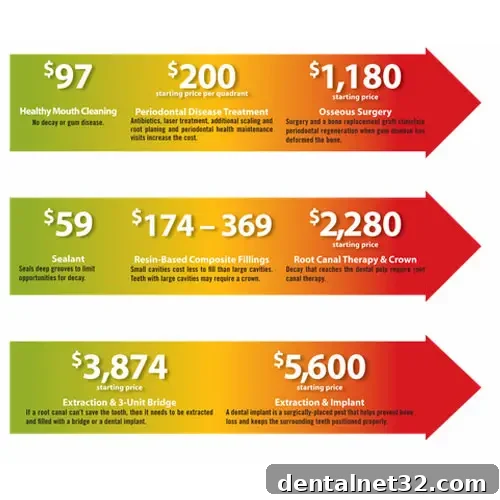
To put it in perspective, let’s look at the financial journey from a simple check-up to a major restoration. While specific costs vary by location and provider, the relative difference is what matters.
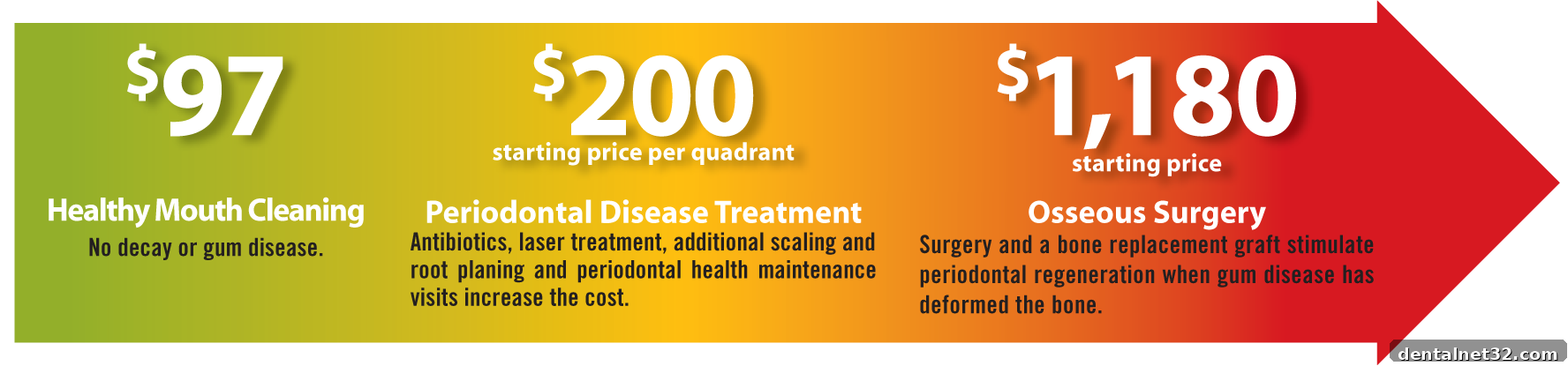
Preventative Care: The Smallest Investment
A routine dental visit typically includes a professional cleaning, a comprehensive exam, and yearly X-rays. These services are designed to catch problems early and maintain oral hygiene. For insured patients, preventative care is often covered at 80-100%. For those without insurance, the cost is a predictable and manageable expense that prevents larger, unexpected bills later.
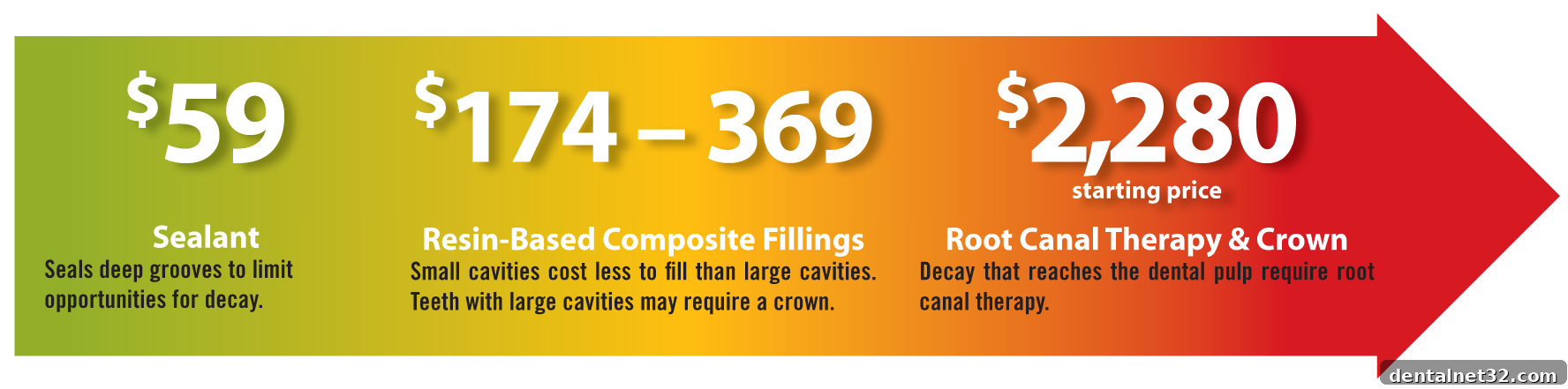
Basic Procedures: The Cost of Minor Issues
This category includes treatments like fillings and simple, non-surgical tooth extractions. These are necessary when a problem has already started but is still contained. The cost is higher than preventative care but still far more affordable than major restorative work.
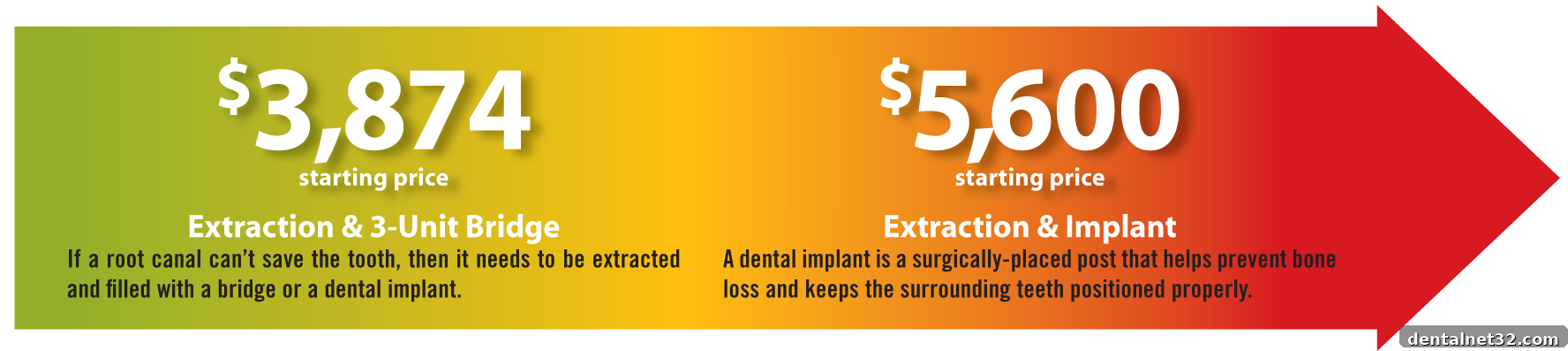
Major Procedures: The High Price of Waiting
Here we find the treatments required for advanced problems: root canals, dental crowns, bridges, and dental implants. Each of these procedures can cost thousands of dollars. A single dental implant, for instance, can cost more than a decade’s worth of routine cleanings and exams. This is the financial reality of delaying dental care.
Beyond the Wallet: The Other Costs of Dental Neglect
The financial burden is only one part of the story. Neglecting your oral health carries other significant costs that impact your overall quality of life.
- Systemic Health Risks: Poor oral health is linked to serious systemic conditions. The bacteria from gum disease (periodontitis) can enter the bloodstream and contribute to inflammation throughout the body, increasing the risk of cardiovascular disease, stroke, and complications with diabetes.
- Chronic Pain and Discomfort: Living with an untreated dental problem means enduring chronic pain, which can affect your ability to eat, sleep, and concentrate. This can lead to nutritional deficiencies and a reliance on pain medication.
- Lost Time and Productivity: A dental emergency, such as a severe abscess, doesn’t happen on a convenient schedule. It can lead to missed days of work or school and disrupt your life in unexpected ways.
- Impact on Mental Health and Confidence: Damaged or missing teeth can cause embarrassment and social anxiety. People may hide their smiles, avoid social situations, and suffer from a decline in self-esteem, affecting both personal relationships and professional opportunities.
Proactive Strategies for Affordable Dental Care
Feeling empowered to take control of your dental health starts with understanding your options. Cost doesn’t have to be a barrier if you plan ahead.
- Prioritize Prevention: The most powerful tool you have is prevention. Diligent home care—brushing twice a day and flossing daily—is your first line of defense. Combine this with regular dental check-ups to catch issues when they are small and simple to fix.
- Utilize Dental Insurance: If you have dental insurance, understand your policy. Pay close attention to your coverage for preventative, basic, and major services. Schedule your routine visits to maximize your benefits before they expire at the end of the year.
- Explore Dental Savings Plans: For those without traditional insurance, a dental savings plan can be an excellent alternative. You pay an annual fee to get access to a network of dentists who offer services at a significantly reduced rate.
- Discuss Payment Options: Don’t be afraid to talk to your dental office about finances. Many offer in-house payment plans or work with third-party financing companies like CareCredit to help you spread the cost of treatment over time.
- Look into Dental Schools: University dental schools can provide high-quality care at a lower cost. Procedures are performed by students under the close supervision of experienced, licensed dentists.
Conclusion: An Investment in Your Future
The message is clear: the longer you wait, the more you pay—in money, pain, and overall health. Viewing dental care not as an expense but as a vital investment is a fundamental shift in perspective. Regular visits to your dentist for preventative care keep your mouth healthy and your future treatment costs low. By addressing problems early, you prevent them from becoming painful, complex, and expensive emergencies. Don’t let the fear of cost keep you away. Take the first step by scheduling a check-up today. It’s the most financially sound decision you can make for your long-term health and happiness.