
A Comprehensive Guide to Edentulism: Causes, Impacts, and Modern Treatments
A complete, healthy smile is more than just an aesthetic feature; it’s essential for our overall health, confidence, and daily function. While losing baby teeth is a normal part of childhood, the loss of permanent teeth in adulthood—a condition known as edentulism—is a significant health concern. Edentulism can profoundly affect your ability to eat, speak clearly, and feel confident in social situations. Although often associated with advanced age, it can impact individuals at any stage of life.
Understanding the complexities of edentulism is the first step toward effective management and restoration. Whether you are missing a single tooth or all of your teeth, modern dentistry offers remarkable solutions to restore not just your smile, but your quality of life. This guide will explore the definition of edentulism, its primary causes, its far-reaching consequences, and the advanced treatment options available today.
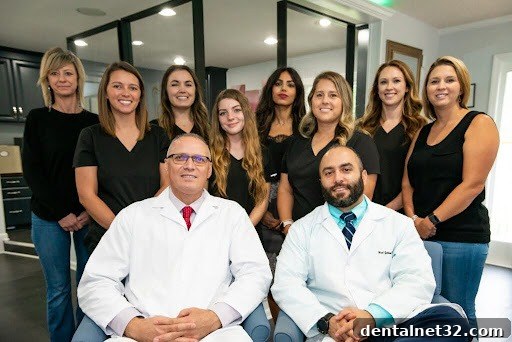
At Locust Family Dentistry, we specialize in providing advanced and compassionate care for edentulism in Locust, NC. Our dedicated dentists, Dr. Maxhuni and Dr. Zeitouni, are committed to leveraging state-of-the-art restorative treatments to protect your oral health and rebuild a beautiful, functional smile you can be proud of.
What Exactly Is Edentulism?
Edentulism is the clinical term for tooth loss. It refers to the condition of having no teeth or having one or more missing teeth. It is not a disease in itself but rather the end result of other oral health issues. To better understand the condition, dentists categorize it into two main types:
- Partial Edentulism: This is when an individual is missing one or more teeth but still retains some of their natural teeth. Even a single missing tooth constitutes partial edentulism and can trigger a cascade of oral health problems if left unaddressed.
- Complete Edentulism: This refers to the total loss of all permanent teeth in one or both dental arches (the upper maxillary arch or the lower mandibular arch). This is the most severe form of tooth loss and has a significant impact on facial structure, nutrition, and overall well-being.
The prevalence of tooth loss is a major public health indicator. While rates have decreased over the decades thanks to better dental care and awareness, it remains a common issue, particularly among older adults. However, it’s crucial to recognize that edentulism is not an inevitable consequence of aging but is almost always preventable.
The Root Causes of Edentulism
Understanding what leads to tooth loss is key to prevention. Edentulism is typically the culmination of various factors, often acting in combination over time. Here are the most significant causes:
1. Periodontal Disease
Periodontal (gum) disease is the leading cause of tooth loss in adults. It begins as gingivitis, an inflammation of the gums caused by plaque buildup. If not treated, it can progress to periodontitis. In this advanced stage, the bacteria-laden plaque spreads below the gum line, creating deep pockets of infection. The body’s immune response, combined with the bacterial toxins, begins to break down the bone and connective tissues that hold the teeth in place. As this supporting structure is destroyed, teeth become loose and may eventually fall out or require extraction.
2. Severe Tooth Decay (Dental Caries)
Tooth decay is another primary culprit. When sugars and starches in food are left on the teeth, bacteria in the mouth produce acids that erode the tooth enamel. This creates cavities. If a cavity is not treated with a filling, the decay can progress deep into the tooth’s inner pulp, causing a severe infection or abscess. In such cases, a root canal may save the tooth, but if the structural damage is too extensive, extraction becomes the only viable option.
3. Physical Trauma or Injury
Accidents can happen at any age. A sudden impact from a sports injury, a fall, or a car accident can crack, break, or completely knock out a tooth (a process called avulsion). While an avulsed tooth can sometimes be re-implanted if immediate dental care is received, many traumatic injuries damage the tooth or its root beyond repair, necessitating its removal.
4. Lifestyle and Systemic Health Factors
Your overall health and lifestyle choices play a huge role in your oral health. Several factors can increase your risk of developing the conditions that lead to edentulism:
- Smoking and Tobacco Use: Smoking is one of the most significant risk factors for developing severe gum disease. It weakens the immune system, making it harder to fight off gum infections, and also impairs healing in the gum tissues.
- Systemic Diseases: Conditions like uncontrolled diabetes reduce the body’s ability to fight infection, making gum disease more frequent and severe. Osteoporosis can contribute to bone loss in the jaw, weakening the support for teeth. Autoimmune disorders and cancer treatments can also negatively impact oral health.
- Poor Nutrition: A diet high in sugar and acids promotes tooth decay, while a lack of essential nutrients like calcium and Vitamin C can weaken teeth and gums.
- Poor Oral Hygiene: A consistent failure to brush twice a day and floss daily allows plaque to accumulate, laying the groundwork for both decay and gum disease.
The Far-Reaching Consequences of Missing Teeth
Losing teeth affects much more than just the appearance of your smile. The consequences can be functional, psychological, and physiological.
Functional Impairment: Missing teeth, especially molars, severely compromises your ability to chew properly. This can force you to adopt a soft-food diet, potentially leading to nutritional deficiencies. It can also cause slurred speech or difficulty enunciating certain words.
Jawbone Deterioration: Tooth roots stimulate the jawbone, signaling the body to maintain its density and volume. When a tooth is lost, that stimulation disappears, and the bone in that area begins to resorb or shrink. This process, known as bone atrophy, can alter the shape of your face, causing a sunken or collapsed appearance that makes you look older.
Shifting Teeth and Bite Problems: A gap left by a missing tooth encourages the adjacent teeth to drift into the empty space. This shifting can disrupt the alignment of your bite (malocclusion), leading to issues like TMJ (temporomandibular joint) disorders, headaches, and excessive wear on the remaining teeth.
Psychological and Social Impact: The visible effect of missing teeth can lead to a significant loss of self-esteem. Individuals may feel embarrassed to smile, speak, or eat in public, leading to social isolation and a diminished quality of life.
Modern Dental Treatments for Edentulism
Fortunately, no one has to live with the consequences of edentulism. Modern restorative dentistry offers several highly effective solutions to replace missing teeth, restore function, and rejuvenate your smile.
1. Dental Implants
Considered the gold standard for tooth replacement, dental implants are a permanent and stable solution. An implant is a small, screw-like post, typically made of biocompatible titanium, that is surgically placed into the jawbone. It acts as a replacement for the natural tooth root. Over several months, the implant fuses with the bone in a process called osseointegration. Once secure, an abutment and a custom-made crown are attached, creating a replacement tooth that looks, feels, and functions just like a natural one. The key benefit of implants is that they prevent jawbone atrophy and do not require altering adjacent healthy teeth.
2. Dentures
Dentures are a time-tested, removable option for replacing teeth.
- Complete Dentures: These are used when all teeth in an arch are missing. They consist of a full set of prosthetic teeth set in a gum-colored acrylic base that rests on the gums.
- Partial Dentures: These are used when some natural teeth remain. They fill the gaps and typically use metal or acrylic clasps that anchor onto the remaining teeth for stability.
While more affordable than implants, traditional dentures do not prevent bone loss and can sometimes slip or cause discomfort. However, modern advancements have led to implant-supported dentures, which combine the stability of implants with the coverage of a denture for a vastly improved experience.
3. Dental Bridges
A dental bridge is a fixed restoration used to replace one or more missing teeth in a row. It consists of one or more prosthetic teeth (called pontics) that are held in place by dental crowns placed on the healthy teeth on either side of the gap (called abutment teeth). Bridges are a durable and aesthetically pleasing solution, but they do require the reduction of healthy tooth structure on the abutment teeth.
Restore Your Smile with Expert Edentulism Treatments in Locust, NC
Living with missing teeth is not something you have to accept. At Locust Family Dentistry, we are dedicated to providing the highest quality restorative dental treatments to help you overcome the challenges of edentulism. Our team will conduct a thorough evaluation of your oral health, discuss your goals, and recommend the best treatment plan for your unique situation, whether it’s dental implants, bridges, or custom-fitted dentures.
If you are searching for a trusted and experienced dentist to treat edentulism, your search ends here. Let us help you regain the full function of your bite and the confidence of a complete smile. Contact us today to schedule your consultation and take the first step toward a healthier, happier you.