
Transform Your Smile: A Complete Guide to Gummy Smile Correction
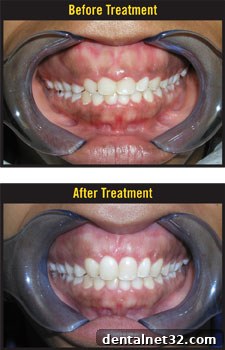
A beautiful smile is often seen as a reflection of confidence and happiness. However, for many individuals, the feeling of self-consciousness about their smile can be a significant barrier. One common concern is the “gummy smile,” where a larger-than-average portion of gum tissue is visible when smiling. This can make teeth appear short and disproportionate. The great news is that modern cosmetic dentistry offers transformative solutions. A simple procedure can dramatically alter a person’s smile, boosting self-confidence and promoting better long-term oral health. Many patients who undergo this treatment express astonishment at how good their teeth can look, often wondering why they waited so long to make a change they love.
What Exactly Is a Gummy Smile?
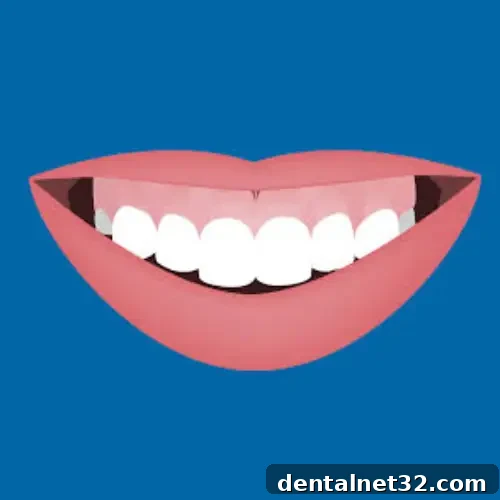
A gummy smile, known clinically as “excessive gingival display,” is a condition where an excessive amount of gum tissue shows above the top teeth when a person smiles. While there’s no single definition of what constitutes a “perfect” smile, it’s generally accepted that a balanced smile shows the least amount of gum tissue. The ideal smile line typically reveals the full length of the front teeth with only a minimal band of gum tissue visible. When more than three to four millimeters of gum tissue are exposed, it can create an aesthetic imbalance, making teeth seem smaller than they actually are.
Common Causes of a Gummy Smile
The appearance of a gummy smile is not a one-size-fits-all issue. It can stem from several distinct factors, and identifying the correct cause is crucial for determining the most effective treatment. The primary causes include:
- Altered Passive Eruption: This is a common cause where the teeth do not fully erupt from the jawbone. As a result, a significant portion of the tooth’s crown remains covered by gum tissue, making the teeth look short and boxy.
- Hyperactive Upper Lip Muscle (Hyperactive Levator Labii Superioris): In some individuals, the muscle that controls the movement of the upper lip is overactive. This causes the lip to lift higher than normal when smiling, exposing more of the gum tissue underneath.
- Jaw Development: The way the upper jaw bone (maxilla) grows can also influence the smile line. A condition known as vertical maxillary excess, where the upper jaw grows longer than its ideal length, can lead to a prominent gummy smile.
- Genetics and Gum Tissue Thickness: Some people are simply born with more gum tissue than others. Thick or abundant gingival fibers can create a bulky appearance around the teeth. This is often a hereditary trait.
Beyond Aesthetics: The Health Risks of Excessive Gum Tissue
While the primary motivation for treating a gummy smile is often cosmetic, there are significant oral health benefits to consider. Excessive gum tissue can create challenges for maintaining proper dental hygiene. The extra tissue can form deep pockets between the gums and teeth, creating an ideal environment for food particles and harmful bacteria to accumulate. This can lead to several health complications:
- Increased Risk of Gum Disease (Gingivitis and Periodontitis): The buildup of plaque and bacteria under the excess gum tissue can cause chronic inflammation. This may manifest as red, swollen, and tender gums that bleed easily during brushing. If left untreated, this inflammation can progress to periodontitis, a more severe form of gum disease that can lead to bone and tooth loss.
- Higher Incidence of Tooth Decay: The difficulty in cleaning effectively around the gum line means plaque can remain on the tooth surface for longer, increasing the risk of cavities, especially at the neck of the tooth.
- Bad Breath (Halitosis): The bacteria that thrive in the deep gum pockets can produce foul-smelling compounds, leading to persistent bad breath.
By correcting the gum line, patients not only achieve a more aesthetically pleasing smile but also make it significantly easier to maintain excellent oral hygiene, reducing the risk of these serious dental health issues.
Your Path to a Balanced Smile: Gummy Smile Treatment Options
A periodontist or cosmetic dentist can offer several highly effective treatments to correct a gummy smile. The choice of procedure depends on the underlying cause of the condition. After a thorough examination, your dentist will recommend the best course of action for your unique situation.
Surgical Solutions for Lasting Results
Gingivectomy: Reshaping the Gum Line
A gingivectomy is a procedure designed to remove excess gum tissue and reshape the gum line. It is ideal for cases where the gummy appearance is caused by overgrown gums (gingival hyperplasia) or altered passive eruption without bone involvement. The periodontist uses a specialized tool, either a traditional scalpel or an advanced dental laser, to carefully trim away the excess tissue, revealing more of the natural tooth structure. Laser gingivectomy is often preferred as it cauterizes the tissue as it cuts, leading to minimal bleeding, less discomfort, and a faster healing process.
Crown Lengthening: A More Comprehensive Approach
For many patients, a gummy smile is caused not just by excess soft tissue, but also by the position of the underlying bone. In these cases, a crown lengthening procedure is necessary. This treatment involves removing a small amount of both gum tissue and the underlying bone to expose the full length of the tooth. The periodontist makes small incisions to lift the gum away from the tooth, reshapes the bone to the appropriate level, and then repositions the gum tissue to its new, ideal location before suturing it in place. This creates a natural-looking, permanent result and a properly proportioned tooth-to-gum ratio.
Minimally Invasive Alternatives
Botox® Injections for a Hyperactive Lip
When a gummy smile is caused by a hyperactive upper lip, a minimally invasive solution like Botox® can be highly effective. A small, carefully placed injection of botulinum toxin into the upper lip muscle temporarily weakens it. This prevents the lip from lifting too high when smiling, effectively hiding the excess gum display. The results are noticeable within a few days but are not permanent, typically lasting three to six months. This is an excellent option for those seeking a non-surgical solution.
What to Expect: The Procedure, Recovery, and Results
The journey to your new smile is straightforward and comfortable. The procedure is typically performed in the dentist’s office under local anesthetic, ensuring you feel no pain. Depending on the number of teeth being treated, the surgery can take anywhere from 30 minutes to a couple of hours.
Post-procedure discomfort is usually mild and can be easily managed with over-the-counter pain relievers like ibuprofen. Your dentist will provide specific aftercare instructions, which may include a soft food diet for a few days and a special antimicrobial mouthwash to keep the area clean. Most patients can return to their normal activities the following day. The gums will heal completely within a few weeks, at which point you can fully appreciate the stunning and permanent results of your beautiful, healthy, and confident new smile.
Frequently Asked Questions (FAQ) About Gummy Smile Treatment
Is the gummy smile procedure painful?
No, the procedure itself is not painful. A local anesthetic is used to completely numb the gums and surrounding area. You may feel some pressure, but you will not feel pain. Mild soreness and swelling after the anesthetic wears off are normal and can be managed with standard pain medication.
How long do the results of a gummy smile correction last?
For surgical treatments like gingivectomy and crown lengthening, the results are permanent. The gum and bone tissue that is removed will not grow back, providing you with a lifelong improvement to your smile. Results from Botox® injections are temporary and require repeat treatments every few months to maintain the effect.
What is the cost of treating a gummy smile?
The cost varies widely depending on the type of procedure, the number of teeth involved, and your geographic location. A simple laser gingivectomy on a few teeth will cost less than a full crown lengthening procedure across the entire smile line. It’s best to schedule a consultation for an accurate quote.
Who is the best specialist to perform a gummy smile correction?
A Periodontist is a dental specialist with extensive training in the gums and the bone supporting the teeth. They are the most qualified professionals to diagnose the cause of a gummy smile and perform surgical gum contouring procedures like crown lengthening with precision and expertise.
Are You Ready to Unveil Your Best Smile?
If you feel self-conscious about showing too much gum when you smile, you don’t have to live with it. A simple consultation with a dental specialist can determine the cause and present you with life-changing solutions. Correcting a gummy smile is more than a cosmetic enhancement; it’s an investment in your self-confidence and your long-term oral health. Take the first step toward the smile you’ve always wanted and discover how modern dentistry can help you smile with pride.