
What to Do With All That Halloween Candy: A Parent’s Ultimate Survival Guide
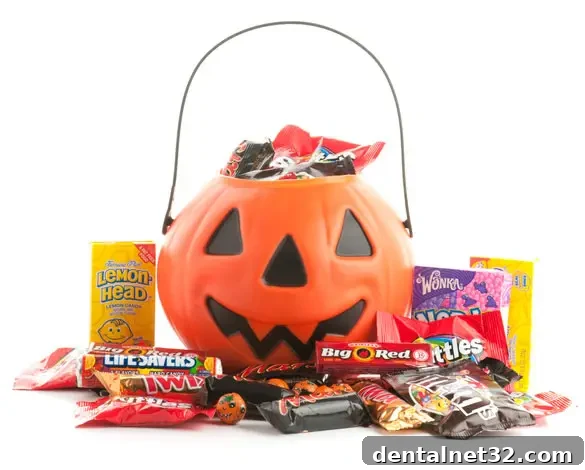
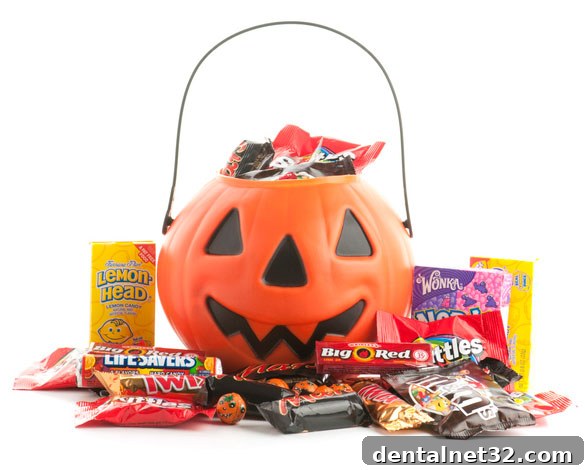 For children across the country, Halloween is a magical night. It’s a thrilling dash from one decorated doorstep to the next, with the singular goal of collecting a mountain of candy. The night culminates in the grand finale: dumping out the trick-or-treat bags to survey the treasure trove. Some kids become meticulous accountants, sorting their haul into neat piles of chocolate bars, lollipops, and chewy treats. Others are pure agents of chaos, eager to tear into wrappers and begin the sugar-fueled celebration immediately.
As a parent, this scene can be both delightful and daunting. How do you navigate the post-Halloween candy craze without becoming the villain who spoils the fun? How do you protect your children’s dental health while still allowing them to enjoy the sweet rewards of their night out? The key is to find a healthy balance between indulgence and moderation. This guide offers practical, parent-tested strategies to manage the candy overload, promote healthy habits, and keep those post-Halloween smiles bright and cavity-free.
The Sweet Dilemma: Balancing Fun and Dental Health
Before diving into the “how,” it’s important to understand the “why.” Managing Halloween candy isn’t about depriving your children; it’s about protecting their long-term health. When sugar is consumed, the bacteria in our mouths feed on it and produce acid. This acid attacks tooth enamel, the hard, protective outer layer of the teeth. Each time your child pops a piece of candy in their mouth, it triggers an “acid attack” that can last for 20 minutes or more. Frequent, prolonged exposure to sugar and acid can weaken enamel, leading to tooth decay and cavities.
Beyond dental health, an unmanaged candy binge can lead to sugar rushes followed by energy crashes, upset stomachs, and a decreased appetite for nutritious meals. By setting boundaries, you’re not just preventing cavities; you’re teaching your children valuable lessons about moderation, mindful eating, and making healthy choices—lessons that will serve them well long after the last lollipop is gone.
1. Set Clear Candy Rules Before Trick-or-Treating
The most effective strategy begins before the first doorbell is even rung. Proactively discussing the “candy plan” with your children manages their expectations and prevents meltdowns later. Frame it as a fun part of the tradition, not a list of restrictions. Let them know that when you get home, you’ll all sort the candy together and they can choose a few favorite pieces to enjoy that night. This simple conversation establishes that the candy won’t be a free-for-all and sets a cooperative tone for the evening.
2. The “Halloween Night” Quota: Enjoy in Moderation
Allowing your kids to enjoy some of their loot on Halloween night is part of the fun. The key is to establish a reasonable limit. A quota of three to five pieces is a popular choice among parents. This allows them to sample their favorites without going overboard. Crucially, make sure this indulgence is followed by a thorough brushing and flossing session before bed. This helps to wash away sugar particles and neutralize harmful acids, giving their teeth a fighting chance against decay.
3. The Great Candy Sort: Keep the Best, Ditch the Rest
Turn the candy-sorting process into a fun family activity. Spread the entire haul out on a table and have your children create different piles: the “absolute favorites” they want to keep, the “maybes,” and the “no thanks.” This empowers them by giving them control over the decision-making process. It’s also an excellent opportunity to gently guide them away from the worst dental offenders.
Use this time to educate them in a simple way. Explain that super sticky or chewy candies (like caramels, taffy, and gummy bears) cling to teeth for a long time, giving sugar more time to cause damage. Hard candies, like lollipops and jawbreakers, are also problematic because they dissolve slowly, bathing teeth in sugar for an extended period. Encourage them to place these types of candies in the “donate” or “get rid of” pile in favor of treats that are less harmful, like plain chocolate, which melts and rinses away more easily.
4. Share the Sweetness: Creative Ways to Donate or Repurpose Candy
Once you have a pile of excess candy, the fun doesn’t have to stop. There are numerous positive and creative ways to offload it. Donating the candy teaches children about generosity and sharing their good fortune with others.
- Support the Troops: Organizations like Operation Shoebox, Soldiers’ Angels, and Operation Gratitude collect and send candy to deployed service members as a sweet reminder of home. It’s a wonderful way to show appreciation and make a soldier’s day.
- Dental Buy-Back Programs: Many local dental offices host candy buy-back events after Halloween. They often pay children a small amount per pound of candy, which is then sent to troops or charitable organizations.
- Local Charities: Check with local nursing homes, food pantries, or organizations like the Ronald McDonald House. Many are happy to accept unopened candy donations to share with their residents and clients.
If donation isn’t an option, consider repurposing the candy for non-eating activities. Use colorful pieces for art projects, gingerbread house decorations, or even fun science experiments (which candies sink or float? which dissolve fastest in water?).
5. Out of Sight, Out of Mind: Smart Candy Storage
For the candy that you do decide to keep, the old adage “out of sight, out of mind” is your best friend. Store the candy in an opaque container on a high shelf or in a pantry that isn’t easily accessible to your children. When candy is left in a bowl on the counter, it becomes a constant visual temptation, leading to mindless snacking. By storing it away, you re-establish control. The candy becomes a “special treat” that is given out by you, rather than something that is freely available. You can include one or two small pieces in their school lunch or offer it as a dessert after a healthy dinner.
A Dentist’s Perspective: The Best and Worst Halloween Candies
Not all candy is created equal when it comes to dental health. Understanding the difference can help you guide your child’s choices during the great candy sort.
The Worst Offenders for Teeth:
- Sticky & Gummy Candies: Caramels, taffy, and gummy worms are dental nightmares. They are difficult for saliva to break down and can stick in the grooves of teeth for hours, providing a constant sugar source for cavity-causing bacteria.
- Hard Candies: Lollipops, jawbreakers, and other hard candies are problematic because they stay in the mouth for a long time. They also pose a risk of chipping or breaking teeth if bitten down on too hard.
- Sour Candies: Sour treats are a double threat. They not only contain a high amount of sugar but are also extremely acidic. This acid can directly erode and weaken tooth enamel, making teeth more susceptible to decay.
Better Alternatives:
- Plain Chocolate: If your child is going to have a treat, plain chocolate is one of the better choices. It melts quickly and rinses off the teeth more easily than other types of candy. Dark chocolate is an even better option as it contains less sugar.
- Powdery Candies: Candy with a powdery consistency dissolves almost instantly in the mouth, leaving less sticky residue behind.
- Sugar-Free Gum: While it might not be the most exciting treat, sugar-free gum can actually be beneficial. It stimulates saliva production, which helps rinse away food particles and neutralize acids on the teeth.
Halloween is a time for fun, imagination, and community. With a little planning and a proactive approach, you can ensure that the candy-filled holiday remains a positive and healthy experience for the whole family. By setting rules, encouraging moderation, and making dental care a priority, you can protect your child’s smile and build healthy habits that last a lifetime. And don’t forget to schedule a post-Halloween check-up and cleaning to ensure everything is in top shape!