
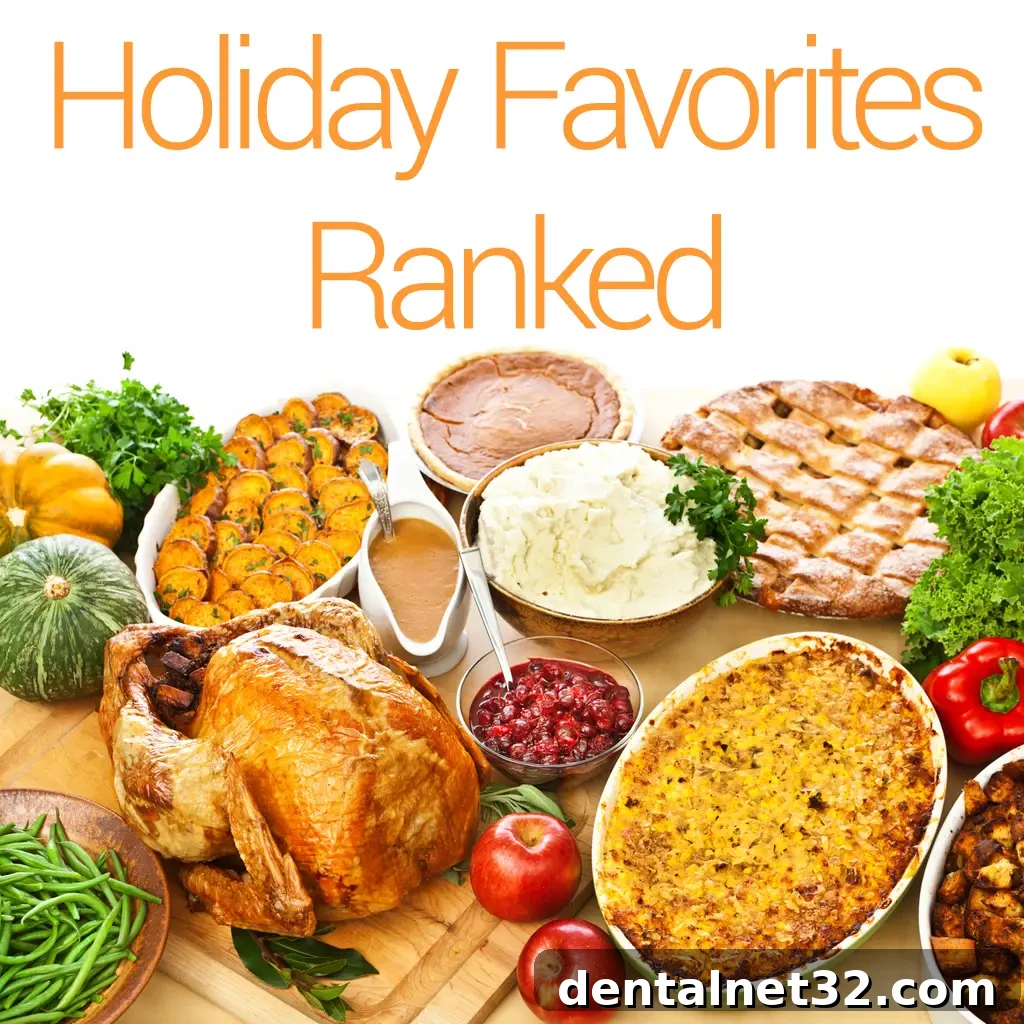
A Dentist’s Guide to Holiday Foods: Ranking the Best and Worst for Your Teeth
The holiday season is a magical time filled with family, friends, and of course, an abundance of delicious food. From Thanksgiving feasts to Christmas dinners, the table is often overflowing with homemade dishes and festive treats. In the warmth of good company, it’s incredibly easy to overindulge, leaving you feeling more stuffed than the holiday turkey. As the post-meal drowsiness kicks in, the temptation to find a cozy spot for a nap is strong. However, this seemingly harmless nap could be a worst-case scenario for your oral health. Depending on what you’ve eaten, harmful bacteria could be launching an all-out assault on your teeth and gums while you sleep.
The simplest defense is to brush and floss your teeth, but it’s crucial to wait at least 30 minutes after eating. This allows your saliva to neutralize acids and for your enamel to reharden. The challenge, however, is that holiday gatherings often take place at a relative’s home, and you might not have your toothbrush and floss on hand. So, what can you do to protect your smile?
A powerful strategy is to understand which common holiday foods are beneficial for your oral health and which ones pose a threat. This knowledge empowers you to make smarter choices during the meal, knowing what to enjoy in moderation and what to perhaps save for later when you can properly clean your teeth. To help you navigate the festive spread, we’ve ranked the top 10 classic holiday foods from the absolute worst to the very best for your dental health. With the holidays right around the corner, let’s dive in.
Understanding the Dental Dangers on Your Plate
Before we get to the rankings, it’s helpful to understand what makes a food “bad” for your teeth. Three main culprits are responsible for most dental decay: sugar, acid, and texture.
- Sugar: Harmful bacteria in your mouth feed on sugar. As they consume it, they produce acids as a byproduct. These acids attack your tooth enamel, the hard outer layer of your teeth, leading to demineralization and eventually, cavities.
- Acid: Some foods and drinks are naturally acidic (like citrus fruits and wine). This acid can directly erode tooth enamel, even without the help of bacteria. This process weakens the teeth and makes them more susceptible to decay and sensitivity.
- Sticky and Starchy Textures: Foods that are sticky or starchy tend to cling to the surfaces of your teeth and get lodged in between them. This prolonged contact gives sugars and starches more time to be converted into harmful acids by bacteria, increasing the risk of cavities.
The Holiday Food Showdown: A Dental Health Ranking from Worst to Best
Here is our definitive ranking of common holiday dishes, starting with the most hazardous to your smile and ending with the most tooth-friendly option.
10. Sweet Potato Casserole (Worst for Teeth)
Sweet potatoes, in their natural state, are a fantastic source of vitamins A and C, as well as fiber. However, the holiday-favorite casserole transforms this healthy vegetable into a dental disaster. The potatoes are mashed, which removes their fibrous texture, and then mixed with significant amounts of sugar. The real danger comes from the topping: gooey, sticky, melted marshmallows. This combination of processed sugar and an incredibly sticky texture means the dish adheres to your teeth like glue, providing a prolonged feast for cavity-causing bacteria.
9. Cranberry Sauce
Cranberries themselves contain polyphenols, which can help limit the ability of bacteria to stick to your teeth. Unfortunately, these benefits are often completely negated in store-bought cranberry sauce. These products are typically loaded with sugar or high-fructose corn syrup to counteract the fruit’s natural tartness. Furthermore, cranberries are highly acidic and have a deep, vibrant color that can easily stain tooth enamel. If you love cranberry sauce, consider making a homemade version where you can control the sugar content, or rinse your mouth with water immediately after eating it.
8. Macaroni and Cheese
This ultimate comfort food, with its creamy, cheesy goodness, is unfortunately not a friend to your teeth. Most recipes are rich in simple carbohydrates from the white pasta, which break down into sugars in the mouth. The thick, creamy sauce, often made with cheese, butter, and milk, helps this starchy mixture stick to every nook and cranny of your teeth. This creates a perfect breeding ground for bacteria, increasing your risk of tooth decay.
7. Deviled Eggs
On the surface, deviled eggs seem like a reasonable choice. They are a good source of protein and relatively low in sugar. The dental risk, however, comes from the other ingredients. The creamy filling is usually made with mayonnaise, which is high in fat and can contribute to a film on the teeth where bacteria can thrive. Many recipes also include acidic ingredients like vinegar or pickle relish, which can directly contribute to enamel erosion. While better than sugary options, they aren’t entirely harmless.
6. Cornbread
Cornbread sits in the middle of our list because it has both pros and cons. The negative aspects are clear: many recipes, especially sweet Northern-style cornbread, contain sugar, refined flour, and butter. These ingredients can fuel bacteria and promote plaque buildup. On the other hand, the cornmeal gives the bread a slightly gritty texture, which can have a mild scrubbing effect, helping to dislodge other food particles from your teeth as you chew.
5. Stuffing / Dressing
Stuffing, a cornerstone of many holiday meals, is primarily made from bread, a simple starch that converts to sugar in your mouth. However, it’s generally not as detrimental as other dishes. It’s savory rather than sweet, so it doesn’t usually have added sugars. Its texture is soft but not typically sticky like a casserole. To make it more tooth-friendly, opt for a homemade version using whole-grain bread and plenty of fibrous vegetables like celery and onions, and avoid recipes with sugary additions like dried cranberries or apples.
4. Mashed Potatoes
Potatoes are starchy, and that starch can cling to teeth. However, mashed potatoes can be a relatively safe choice if prepared thoughtfully. When made with less butter and low-fat milk, they are healthier overall. The primary dental concern is their soft, adhesive texture. The easiest way to mitigate this is to follow up your serving of mashed potatoes with a glass of water to help rinse away the starchy particles left behind.
3. Pumpkin Pie
While it is a dessert, pumpkin pie is often a better choice for your teeth than many other sweet treats. The pumpkin filling itself is rich in Vitamin A, which is crucial for healthy gums and strong enamel. It also contains fiber. The main drawbacks are the sugar in the filling and the refined flour in the crust. However, its texture is soft and less sticky than other desserts, making it easier for saliva and water to wash away.
2. Green Bean Casserole
Green beans on their own are excellent for your teeth. They are fibrous, crunchy, and act like tiny toothbrushes as you chew. The traditional casserole recipe, however, is a mixed bag. The inclusion of cream of mushroom soup can add sugars and starches, and the popular fried onion topping can be starchy and get stuck between teeth. Despite this, the high proportion of fiber-rich green beans makes this one of the better side dishes you can choose from the holiday table.
1. Roast Turkey (Best for Teeth)
The star of the holiday table is also the star for your oral health. Turkey is a fantastic source of protein and phosphorus, a mineral that is vital for building and maintaining strong teeth and bones. It is naturally sugar-free and non-acidic. As long as it isn’t slathered in a sugary glaze, roast turkey does virtually no harm to your teeth. The only minor risk is fibrous pieces getting stuck between your teeth, but this is easily remedied with a good flossing session later.
Your Holiday Oral Health Game Plan
Knowing the risks is only half the battle. Here are some actionable steps you can take to protect your smile throughout the holiday season without sacrificing the festive fun.
- Stay Hydrated with Water: Sip water throughout your meal and after. Water helps rinse away food particles, sugars, and acids, and it promotes saliva production, which is your body’s natural defense against cavities.
- Eat Strategically: Start your meal with tooth-friendly foods like salads, raw vegetables (carrots, celery), or cheese. These can help scrub your teeth and stimulate saliva flow before you move on to more problematic dishes.
- Chew Sugar-Free Gum: If you can’t brush your teeth after a meal, chewing sugar-free gum containing xylitol is an excellent alternative. It stimulates saliva, helps neutralize acids, and can dislodge food particles.
- Pack a Travel Kit: Be prepared! Keep a travel-sized toothbrush, toothpaste, and floss in your bag or car. This way, you can excuse yourself to the restroom for a quick clean-up after the meal.
- Don’t Forget Your Regular Routine: The holidays can be a busy time, but don’t let your daily oral hygiene routine slip. Consistent brushing twice a day and flossing daily is your most important defense against decay.
Enjoying the culinary delights of the holiday season is a cherished tradition. By being mindful of which foods pose the greatest risk to your dental health and taking a few simple, proactive steps, you can indulge in the feast while ensuring your smile stays merry and bright. Happy holidays and bon appétit!