
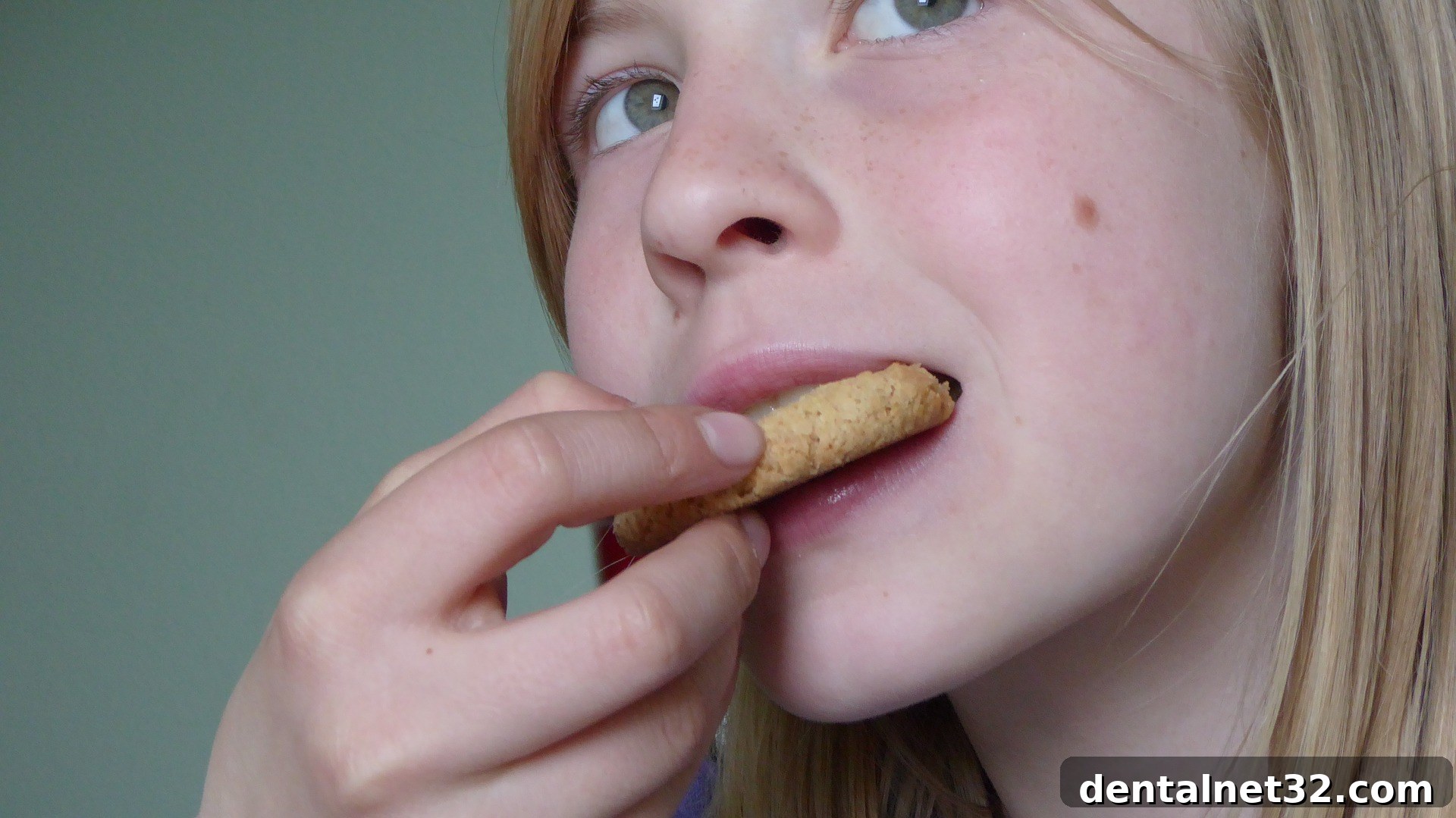
Unlock Better Health: The Surprising Science of Chewing Your Food
At Sninski & Schmitt Family Dentistry, we know that hearing the same dental advice over and over can become tiresome. While reminders to “brush and floss” are the cornerstone of good oral hygiene, we are always searching for new insights to share with our patients. We believe that understanding the “why” behind dental health can be a powerful motivator. That’s why we were fascinated by recent research that uncovers the profound connection between a simple act—chewing your food—and the complex immune system working inside your mouth. This discovery reinforces an age-old tip and provides a deeper understanding of how to maintain your oral and overall health between visits to your family dentist.
The Hidden Power in a Simple Bite: How Chewing Boosts Your Oral Immunity
For generations, parents and dentists have told children to chew their food properly. It was considered common sense for digestion and preventing choking. Now, a groundbreaking study reveals a much more sophisticated reason behind this advice. The research has found that the physical act of chewing, also known as mastication, actively stimulates the release of a special type of immune cell in the mouth called T helper 17 cells, or Th17 cells for short.
So, what are Th17 cells, and why are they so important? Think of them as specialized guardians of your oral health. They are a crucial part of your body’s adaptive immune system. Unlike the general-purpose immune cells you’re born with, the adaptive immune system learns and remembers specific threats. In the mouth, Th17 cells help create a healthy environment by encouraging the growth of “friendly” bacteria. This balanced collection of microorganisms, known as the oral microbiome, is your first line of defense against harmful pathogens that can cause cavities and gum disease. The mechanical stress of chewing essentially signals your gums to release more of these guardian cells, fortifying your mouth’s natural defenses.
Until this study, the exact mechanism for activating Th17 cells in the oral cavity was a mystery. Scientists have now confirmed that the gentle friction and pressure from chewing food are key triggers. This means that every time you enjoy a meal and take the time to chew thoroughly, you are actively participating in your own dental defense system.

The Delicate Balance: When Too Much Chewing Becomes a Problem
While this discovery highlights the benefits of chewing, the researchers offered an important word of caution: there can be too much of a good thing. The study indicated that excessive stimulation or constant abrasion can lead to an overproduction of Th17 cells. While these cells are beneficial in moderation, an overabundance can trigger a state of chronic inflammation. This is the very condition that underlies periodontal (gum) disease.
Gum disease is an inflammatory condition that, if left untreated, can damage the soft tissue and bone that support your teeth. An excessive inflammatory response, even one triggered by a seemingly healthy process, can increase your risk. This is why habits like chronically chewing ice, grinding your teeth (bruxism), or constantly chewing gum can potentially do more harm than good. The goal is to create a healthy, moderate level of stimulation, not constant stress.
Dr. Joanne Konkel, a lead researcher in the field, emphasized the broader implications: “Importantly, because inflammation in the mouth is linked to development of diseases all around the body, understanding the tissue-specific factors that regulate immunity at the oral barrier could eventually lead to new ways to treat multiple inflammatory conditions.” This highlights a critical concept in modern medicine: the mouth-body connection.
Your Mouth: The Gateway to Overall Health
The health of your mouth is a mirror to the health of your entire body. The inflammation associated with gum disease is not just a localized problem. The bacteria and inflammatory compounds from an infected mouth can enter the bloodstream and travel throughout the body, contributing to a host of serious systemic health issues. This connection is why your family dentist is concerned with more than just your teeth; we are safeguarding your overall well-being.
Some of the conditions linked to poor oral health include:
- Heart Disease: Research has shown a strong correlation between periodontitis and an increased risk of heart attack and stroke. Oral bacteria can contribute to arterial plaque and inflammation in the blood vessels.
- Diabetes: The relationship between gum disease and diabetes is a two-way street. Gum disease can make it harder to control blood sugar levels, and individuals with diabetes are more susceptible to developing gum infections.
- Respiratory Issues: Bacteria from the mouth can be inhaled into the lungs, potentially leading to pneumonia and other respiratory infections, especially in older adults.
- Pregnancy Complications: Poor oral health has been linked to premature birth and low birth weight.
Understanding this connection makes the simple advice to “brush your teeth” and “chew your food” even more critical. These aren’t just chores for maintaining a bright smile; they are fundamental practices for a long and healthy life.
Practical Steps for a Healthier Smile and Body
So, how can you apply this new knowledge to your daily routine? The study’s findings reinforce the importance of basic, consistent dental care. The “healthy stress” or mechanical stimulation that triggers Th17 cells doesn’t just come from chewing. It is also produced by other essential habits.
1. Brush with Purpose, Not Pressure
The study simulated chewing by gently rubbing the gums of mice with a soft applicator. This is very similar to the action of a toothbrush. Brushing your teeth twice a day with a soft-bristled brush provides the perfect amount of stimulation to promote a healthy immune response without causing damage. Aggressive brushing, however, can damage enamel and gums, leading to recession and sensitivity.
2. Embrace Crunchy, Healthy Foods
Incorporate fibrous fruits and vegetables like apples, carrots, and celery into your diet. Not only are they packed with nutrients, but their texture also requires thorough chewing. This not only stimulates your gums but also naturally helps to scrub your teeth, removing plaque and food debris.
3. Don’t Forget to Floss
Flossing provides gentle stimulation to the gumline in the tight spaces between your teeth—areas your toothbrush can’t reach. It’s a critical step for removing plaque and preventing the inflammation that leads to gingivitis, the earliest stage of gum disease.
4. Chew Mindfully
Pay attention to your food. Chew it thoroughly to aid digestion and activate the beneficial immune response in your mouth. Avoid rushing through meals. At the same time, be mindful of habits that cause excessive stress, like chewing on pens, ice, or your fingernails.
Partner with Your Holly Springs Dentist for Lifelong Health
The science is clear: simple, everyday actions have a significant impact on your dental and systemic health. From the way you chew your food to your daily brushing routine, you have the power to create a healthier oral environment. These small habits, practiced consistently, provide incredible returns on your health.
At Sninski & Schmitt Family Dentistry, we are committed to being your partners in health. We provide comprehensive care for your entire family, combining expert knowledge with practical, easy-to-understand advice. If you want to learn more about optimizing your oral hygiene routine or wish to schedule a check-up, contact our dedicated team today. Let us help you and your family achieve a lifetime of healthy smiles.