
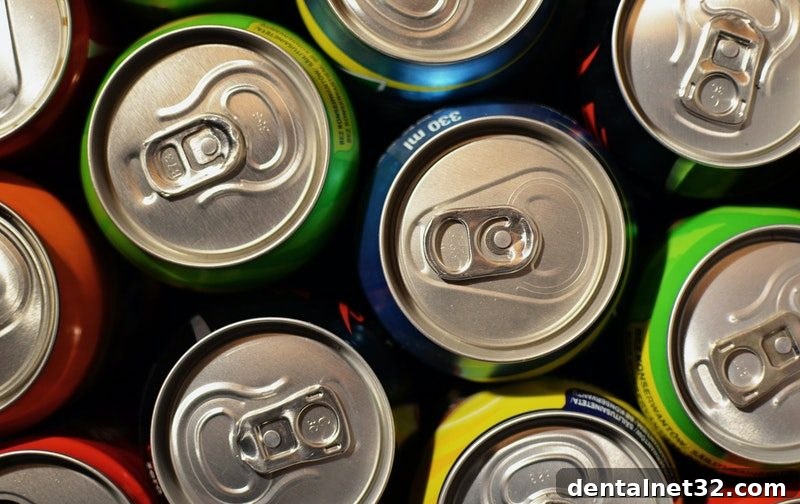
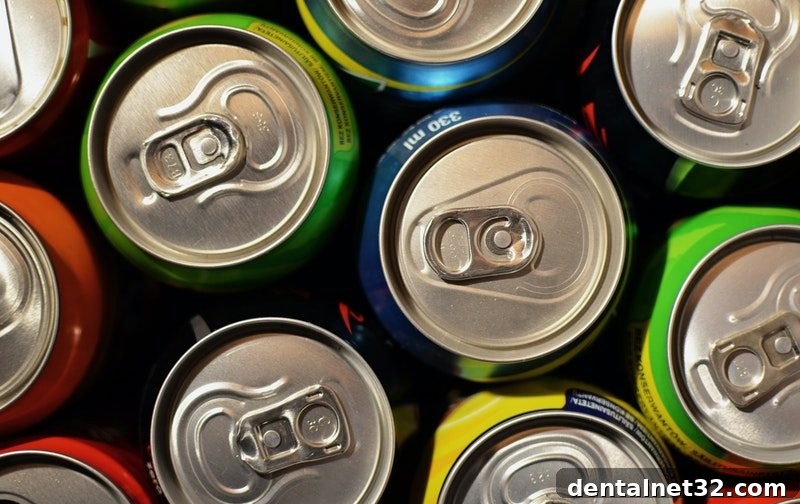
In modern America, the beverage landscape is vast and varied. A study from a few years ago revealed a surprising statistic: bottled water is the most consumed beverage, accounting for a quarter of all drinks. From a dental health standpoint, this is a positive trend. Hydration with still water is excellent for your body and mouth. However, a more concerning statistic emerged from the same study: carbonated soft drinks were the second most popular choice, making up a significant 22 percent of consumption.
It’s common knowledge that sodas are detrimental to your teeth, but the reasons why are often oversimplified. The damage is multifaceted, involving a complex interplay of sugar, acid, and lifestyle choices. To help you understand the full picture and protect your smile, our dedicated Cary dentist is breaking down the four primary ways that soft drinks can wreak havoc on your oral health.
The Primary Culprit: How Sugar in Soda Fuels Tooth Decay
The most infamous ingredient in soft drinks is, without a doubt, sugar. A single 12-ounce can of a typical cola contains around 39 grams of sugar, which is equivalent to about 10 teaspoons. When you drink a sugary soda, you are essentially coating your teeth in a liquid candy. This creates the perfect environment for harmful oral bacteria to thrive.
Your mouth is home to a complex ecosystem of bacteria, some of which are harmless. However, certain strains, like Streptococcus mutans, feed on sugar. As these bacteria metabolize the sugar from your soda, they produce acid as a byproduct. This acid then attacks the surface of your teeth, a process known as demineralization. It leaches vital minerals like calcium and phosphate from your tooth enamel, which is the hard, protective outer layer of your teeth. Over time, repeated acid attacks weaken the enamel, creating soft spots that eventually develop into cavities. This progressive destruction is what we call tooth decay, and it can lead to pain, infection, and even tooth loss if left untreated.
Beyond Sugar: The Direct Acid Attack on Your Enamel
A common misconception is that switching to diet or sugar-free sodas eliminates the risk to your teeth. While removing sugar is a step in the right direction, it only addresses part of the problem. Diet sodas are still highly acidic, and this acidity poses a direct and significant threat to your dental health through a process called dental erosion.
To give sodas their tangy flavor and extend their shelf life, manufacturers add acids like phosphoric acid, citric acid, and carbonic acid. The pH scale measures acidity, with 7 being neutral. Your tooth enamel begins to dissolve at a pH level of around 5.5. Most popular sodas, including diet varieties, have a pH between 2.5 and 3.5, making them extremely acidic. For context, this is closer to the acidity of stomach acid than it is to neutral water. When you drink soda, this acid directly dissolves the mineral structure of your tooth enamel, making your teeth weaker, more sensitive, and more susceptible to staining and decay. Unlike decay caused by sugar-loving bacteria, dental erosion is a direct chemical assault on your smile.
The Hidden Danger: Replacing Water and Causing Dehydration
What you choose to drink impacts your health not just by what it contains, but also by what it displaces. When you consistently reach for a soda to quench your thirst, you are likely not drinking enough water. This choice carries significant consequences for your oral health.
Water, especially fluoridated tap water, is a superstar for your teeth. Fluoride is a natural mineral that helps to remineralize and strengthen tooth enamel, making it more resistant to acid attacks. Furthermore, water helps rinse away food particles and bacteria, neutralizes harmful acids, and stimulates saliva production. Saliva is your body’s natural defense mechanism for your teeth; it contains minerals that repair enamel, enzymes that fight bacteria, and acts as a lubricant that keeps your mouth comfortable.
Many sodas contain caffeine, which is a diuretic. This means it causes your body to lose more fluid, potentially leading to dehydration. Chronic dehydration reduces saliva flow, resulting in a condition known as dry mouth, or xerostomia. A dry mouth is a breeding ground for bacteria, dramatically increasing your risk for rapid tooth decay, gum disease (gingivitis), and persistent bad breath (halitosis).
The Systemic Link: How Soda’s Broader Health Impact Affects Your Mouth
The negative effects of regular soda consumption extend far beyond your mouth. A high intake of sugary drinks is strongly linked to a host of systemic health issues, including obesity, metabolic syndrome, and Type 2 diabetes. These conditions create a state of chronic inflammation throughout the body, which can have a profound impact on your dental health.
Chronic inflammation can directly affect your gums. It makes the gum tissue more vulnerable to the bacteria that cause periodontal (gum) disease. This can lead to red, swollen, and bleeding gums—the early signs of gingivitis. If this inflammation persists, it can progress to periodontitis, a more severe form of gum disease where the gums pull away from the teeth, and the supporting bone structure is destroyed. This can result in loose teeth and eventual tooth loss. The connection between diabetes and gum disease is particularly strong, as high blood sugar levels can impair the body’s ability to fight off infections, including those in the mouth.
Smart Strategies to Minimize Damage from Soft Drinks
Ideally, water and milk should be your primary beverages. However, we understand that completely giving up soft drinks can be challenging. If you choose to indulge occasionally, here are some effective strategies to minimize the damage to your teeth:
- Drink Quickly, Don’t Sip: Each time you take a sip of soda, you initiate a 20-minute acid attack on your teeth. Sipping a can over an hour prolongs this exposure. It’s better to drink it in a shorter period, preferably with a meal.
- Rinse with Water Afterward: After finishing a soda, swish your mouth with plain water. This helps to neutralize the lingering acid and wash away residual sugar.
- Use a Straw: A straw can help direct the acidic, sugary liquid past your teeth, especially the front ones, reducing direct contact and potential damage.
- Wait Before You Brush: Brushing immediately after drinking an acidic beverage can be counterproductive. The acid softens your enamel, and the abrasive action of brushing can scrub it away. Wait at least 30 to 60 minutes before brushing.
- Practice Moderation: Limit your consumption. Treat soda as an occasional treat rather than a daily habit. One small soda is more than enough.
- Maintain Excellent Oral Hygiene: Your first line of defense is a consistent routine. Brush your teeth twice a day with fluoride toothpaste and floss daily to remove plaque and keep your teeth and gums healthy.
Schedule Your Appointment with Our Dentist in Cary Today
Protecting your long-term dental health is our top priority. Regular dental check-ups and cleanings are essential for identifying and addressing issues like enamel erosion and decay before they become serious problems. Whether you’re a regular soda drinker or simply due for a visit, our team is here to help you maintain a healthy, beautiful smile. To schedule an appointment, please give our dentist office in Cary a call at (919) 467-2203 or contact our Holly Springs dentist office at (919) 600-6262. You can also easily use our online contact form to request an appointment.