
Are you looking for a simple yet powerful way to elevate your oral hygiene routine? You might be brushing and flossing diligently, but there’s a crucial step many people miss: tongue scraping. This ancient practice, with roots stretching back thousands of years in Ayurvedic traditions, is making a modern comeback for good reason. By using a simple tool to clean your tongue’s surface, you can unlock a new level of oral health, from fresher breath to a more vibrant sense of taste. In this comprehensive guide, we’ll delve into everything you need to know about tongue scraping, exploring its science-backed benefits, how to do it correctly, and how it fits into a complete wellness strategy.
What is Tongue Scraping and Why Do You Need It?
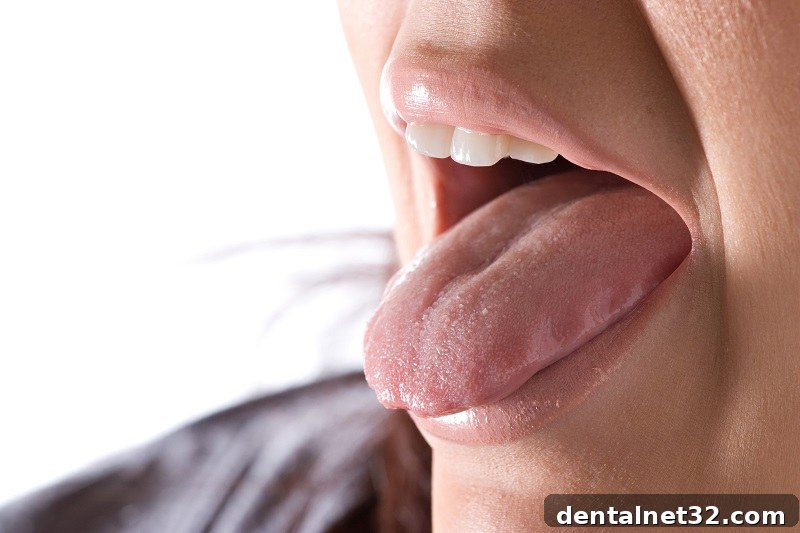
At first glance, your tongue might seem like a simple muscle, but its surface is a complex landscape. It’s covered in tiny bumps called papillae, which house your taste buds. While essential for enjoying food, this textured surface is also the perfect hiding place for bacteria, food debris, fungi, and dead cells. Over time, this buildup can form a visible coating on your tongue, often appearing white, yellow, or even brown. This layer is not just an aesthetic concern; it’s a thriving colony of microorganisms that can negatively impact your health.
Tongue scraping is a straightforward oral hygiene practice that involves gently gliding a small, rounded tool across the surface of your tongue to remove this unwanted buildup. While brushing your tongue with a toothbrush can help, a dedicated tongue scraper is specifically designed to be more effective. Its shape allows it to apply even pressure across the tongue, efficiently peeling away the biofilm that toothbrushes might just move around. This practice is particularly beneficial for individuals experiencing a thick tongue coating due to factors like dry mouth, smoking, certain medications, or oral thrush.
The Remarkable Benefits of Daily Tongue Scraping
Incorporating this two-minute ritual into your daily routine can yield significant improvements in your oral and overall health. Let’s explore the key benefits backed by both ancient wisdom and modern research.
1. Drastically Reduces Bacteria
Your mouth is home to a complex ecosystem of bacteria, known as the oral microbiome. While some bacteria are beneficial, others contribute to plaque, cavities, and gum disease. The tongue’s vast surface area acts as a major reservoir for harmful bacteria. A 2014 study in BMC Oral Health confirmed that regular tongue scraping significantly reduces the bacterial load on the tongue. By physically removing these microbes, you decrease your risk of common dental problems and support a healthier oral environment.
2. Unlocks a More Vibrant Sense of Taste
If you’ve noticed that food doesn’t taste as flavorful as it used to, the coating on your tongue might be the culprit. This layer of debris can cover your taste buds, dulling your perception of flavors. By scraping it away, you expose your taste buds, allowing you to experience the full spectrum of sweet, salty, sour, and bitter notes in your food. Research published in the Journal of Periodontology found that participants experienced a significantly improved taste sensation after just two weeks of consistent tongue scraping.
3. A Powerful Solution for Bad Breath (Halitosis)
One of the most immediate and noticeable benefits of tongue scraping is fresher breath. The primary cause of bad breath is the metabolic byproducts of bacteria feasting on debris in your mouth, particularly on the back of the tongue. These bacteria release volatile sulfur compounds (VSCs), which are responsible for the unpleasant odor. While mouthwash and mints only mask the smell temporarily, tongue scraping removes the source of the problem. Using a scraper twice daily is a highly effective way to manage and prevent halitosis.
4. Improves the Appearance of Your Tongue
A healthy tongue should be pink and free of any significant coating. The white or yellowish film that often develops is a clear sign of accumulated bacteria and debris. Daily scraping helps to remove this coating, restoring your tongue to its natural, healthy color. This not only improves its appearance but also serves as a visible indicator of your enhanced oral hygiene.
5. Contributes to Better Overall Health
The health of your mouth is intricately linked to the health of your entire body. Poor oral hygiene can lead to systemic issues, as harmful bacteria can enter the bloodstream and contribute to inflammation and disease. For instance, good oral health is associated with better cardiovascular health. Studies suggest that by promoting a balanced oral microbiome, tongue scraping can support the production of nitric oxide, a crucial molecule for maintaining healthy blood pressure and cardiovascular function. Furthermore, by reducing the amount of harmful bacteria you swallow, you may also be supporting better digestive health.
How to Scrape Your Tongue Correctly: A Step-by-Step Guide
Getting started with tongue scraping is easy. All you need is the right tool and a few minutes each day. You can find tongue scrapers made from stainless steel, copper, or plastic at most drugstores or online retailers. Metal scrapers are often preferred for their durability and antibacterial properties.
Follow these simple steps for an effective tongue scraping session:
- Stand in Front of a Mirror: Open your mouth wide and stick out your tongue. This will help you see what you’re doing and reach the back of your tongue more easily.
- Position the Scraper: Gently place the rounded edge of the tongue scraper as far back on your tongue as is comfortable. If you have a sensitive gag reflex, start more towards the middle and gradually work your way back as you get used to the sensation.
- Scrape Forward with Gentle Pressure: Slowly and firmly pull the scraper from the back of your tongue toward the tip. You should feel light pressure, but it should never be painful. The goal is to glide over the surface, not to press hard.
- Rinse and Repeat: After each pass, use a tissue or running water to wipe the collected residue from the scraper. You’ll be surprised at what comes off. Repeat the process 3-5 times, or until you’ve covered the entire surface and no more debris is being removed.
- Clean Your Tool: Once you’re finished, thoroughly wash the tongue scraper with warm water and soap. Dry it completely and store it in a clean, dry place to prevent bacteria from growing on it.
This entire process should take less than two minutes. For best results, incorporate it into your morning and evening routine after brushing your teeth.
Tongue Scraping as Part of a Holistic Oral Hygiene Routine
It’s important to remember that tongue scraping is a powerful supplement to, not a replacement for, a complete oral care regimen. To maintain optimal dental health, ensure you are consistently practicing the following habits:
- Brush Thoroughly: Brush your teeth for at least two minutes, twice a day, using a fluoride toothpaste to fight cavities and strengthen enamel.
- Floss Daily: Flossing is essential for removing plaque and food particles from between your teeth and under the gumline, areas your toothbrush can’t reach.
- Consider Mouthwash: Using an antiseptic mouthwash can help reduce bacteria and freshen your breath even further.
- Stay Hydrated: Drinking plenty of water helps to wash away food particles and bacteria, preventing dry mouth, which is a major contributor to bacterial buildup.
- Avoid Tobacco: Using tobacco products significantly increases your risk of gum disease, oral cancer, and staining, while also contributing to bad breath.
Partner with a Professional for Optimal Oral Health
Are you confident you’re doing everything possible to protect your smile? While home care is the foundation of good oral health, regular professional cleanings and check-ups are essential. Our experienced dental team at Sninski & Schmitt Family Dentistry is dedicated to providing comprehensive family dentistry services to keep your mouth healthy for a lifetime. We welcome new patients and accept a wide range of insurance plans. Contact our Holly Springs dentist office at (919) 600-6262 or our Cary, NC dentist office at (919) 467-2203, or fill out our online form to schedule your appointment today.