
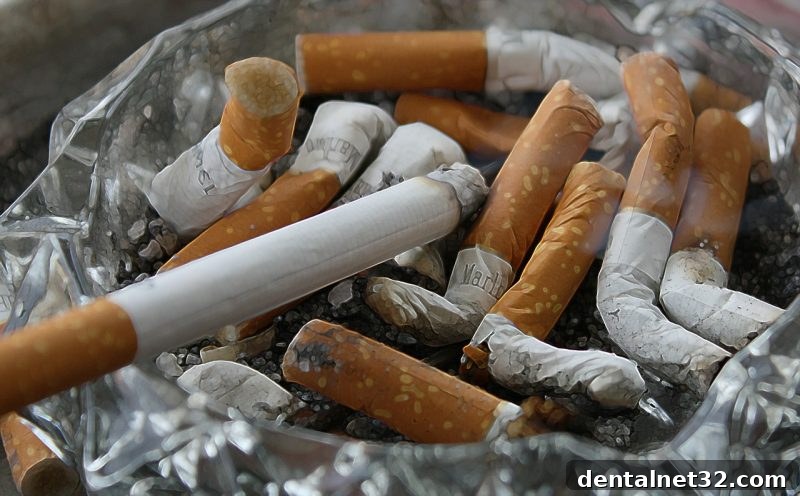
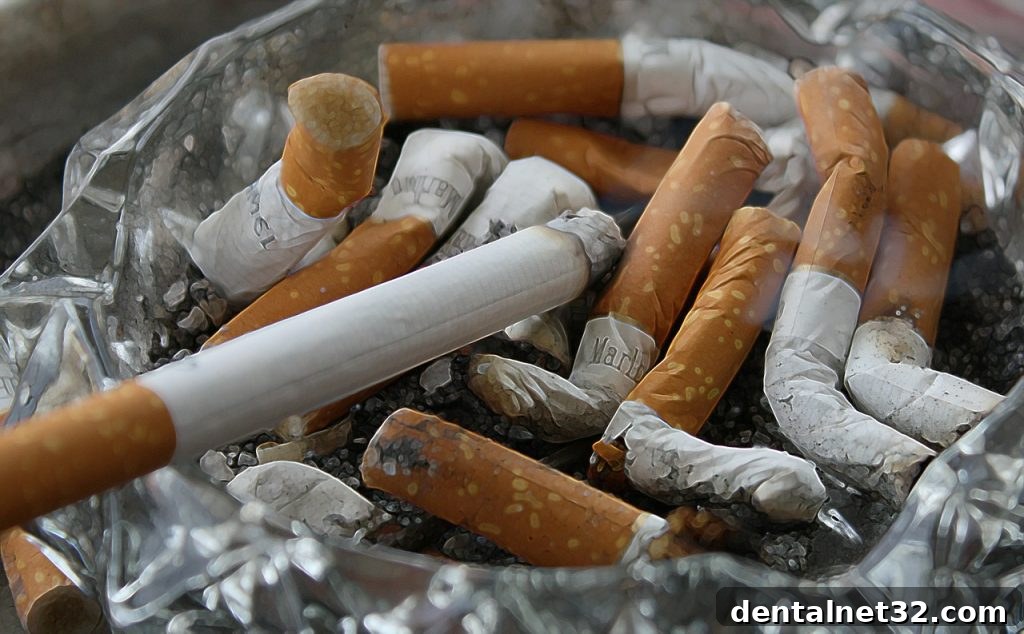
Everyone knows that using tobacco is detrimental to overall health. From cigarettes to chewing tobacco, the risks are widely publicized. Yet, many people continue this habit, often unaware of the specific and severe damage it inflicts on their oral health. The consequences go far beyond simple tooth stains, leading to a cascade of problems that can result in tooth loss and even life-threatening diseases. As your trusted dentist in Cary, we believe in empowering our patients with knowledge. This comprehensive guide will illuminate the exact ways smoking and tobacco use can devastate your teeth, gums, and overall oral well-being.
The Unmistakable Signature: How Tobacco Stains Your Smile
One of the most immediate and visible effects of tobacco use is tooth discoloration. The two main culprits in cigarettes responsible for this are nicotine and tar. While nicotine is naturally colorless, it turns a yellowish color when it combines with oxygen in the air. Tar is inherently a dark, sticky residue. When you smoke, these substances seep into the microscopic pores of your tooth enamel, causing gradual but persistent staining. Over time, a smoker’s teeth can transform from white to yellow, and eventually to a dark brown. While professional teeth whitening can effectively remove these extrinsic stains and brighten your smile, the results are temporary for an active smoker. The staining process will begin again with the very next cigarette, making it a frustrating and costly cycle to maintain a white smile.
More Than a Bad Smell: The Root Causes of “Smoker’s Breath”
Chronic bad breath, or halitosis, is a common complaint among tobacco users. This issue is twofold. Firstly, the smoke particles and chemicals from cigarettes or chewing tobacco linger in the mouth and lungs, creating an immediate and unpleasant odor. This is the scent people typically associate with “smoker’s breath.”
However, a more sinister process is at play. Tobacco use significantly reduces the production of saliva, leading to a condition known as xerostomia, or dry mouth. Saliva is your mouth’s natural defense system; it washes away food particles and neutralizes the acids produced by plaque bacteria. Without adequate saliva, odor-causing bacteria multiply unchecked, leading to persistent bad breath that brushing, flossing, and mouthwash can’t fully eliminate. This dry environment also paves the way for more severe dental problems.
A Hidden Attack: Smoking’s Link to Gum Disease and Cavities
The foundation of a healthy smile is healthy gums. Unfortunately, smoking wages a silent war on your gum tissue. The nicotine in tobacco is a vasoconstrictor, meaning it restricts blood flow throughout the body, including to your gums. This is incredibly dangerous for two reasons. First, healthy gums need a steady supply of oxygen and nutrients from the blood to stay robust and fight off infection. Reduced blood flow starves the gum tissue, making it more vulnerable to disease.
Second, this vasoconstriction masks the early warning signs of gum disease. For a non-smoker, the first sign of gingivitis (the initial stage of gum disease) is often red, swollen, and bleeding gums. Because smokers have less blood flow, their gums may not bleed even when infected. This creates a false sense of security, allowing the disease to progress silently from reversible gingivitis to destructive periodontitis. Periodontitis is an advanced infection that destroys the soft tissue and bone that support your teeth, leading directly to tooth mobility and eventual loss.
The Alarming Reality: Why Smokers Face a Higher Risk of Tooth Loss
The connection between smoking and tooth loss is direct and well-documented. Men who smoke a pack a day are over three times more likely to lose their teeth than non-smokers; for women, the risk is more than double. This isn’t a single issue but a chain reaction of damage. As periodontitis progresses unchecked—hidden by the lack of bleeding gums and accelerated by a weakened immune response—the supporting structures of the teeth are systematically destroyed. The ligaments that anchor the teeth to the bone weaken, and the jawbone itself deteriorates. Eventually, the teeth become loose and may either fall out on their own or require extraction. Losing teeth not only impacts your ability to chew and speak but can also affect your facial structure and self-confidence.
Compromised Care: How Smoking Impedes Dental Healing
The negative effects of smoking don’t stop at causing disease; they also severely hamper your ability to heal from it. The same restricted blood flow and suppressed immune system that accelerate gum disease also make recovery from dental procedures more difficult and unpredictable. After a tooth extraction, smokers are significantly more likely to develop a painful condition called dry socket. For patients seeking to replace lost teeth, smoking is a major risk factor for dental implant failure. A successful implant relies on a process called osseointegration, where the jawbone fuses with the titanium post. The poor blood supply and compromised healing in smokers can prevent this fusion from occurring, leading to a failed and costly procedure.
The Gravest Danger: Tobacco Use and Oral Cancer
While all the aforementioned issues are serious, the most frightening risk associated with tobacco use is oral cancer. Cigarettes, cigars, and chewing tobacco contain dozens of known carcinogens. When you use these products, these cancer-causing agents directly contact the tissues in your mouth, throat, and lips. Consequently, smokers are up to 10 times more likely to develop oral cancer than non-smokers. During routine dental check-ups, your dentist screens for early signs of oral cancer, such as unusual red or white patches, sores that won’t heal, or unexplained lumps. For smokers, these regular screenings are absolutely critical for early detection and treatment.
Your Path to Recovery: Restoring Your Smile After Quitting
The moment you quit smoking, your body begins to heal. Within weeks, your circulation improves, and your gums start to receive the blood flow they need to fight infection. While some damage, like bone loss from periodontitis, is irreversible, many of the effects of smoking can be managed and your oral health can be dramatically improved. If you’re ready to quit, here are some steps to help you succeed:
- Define Your “Why”: Write down your reasons for quitting. Is it for your health, your family, to save money, or to regain your confidence? Keep this list visible as a daily reminder.
- Build a Support System: Inform your friends, family, and colleagues of your decision to quit. Ask for their encouragement and understanding.
- Manage Cravings: When an urge to smoke strikes, have a plan. Drink a large glass of water, chew a piece of sugar-free gum, take a short walk, or practice deep breathing exercises.
- Keep Your Hands and Mind Occupied: Find a new hobby or activity to distract you, such as reading, gardening, playing a game, or starting a new exercise routine.
- Seek Professional Help: Don’t hesitate to talk to your doctor. They can provide resources and discuss options like nicotine replacement therapy or prescription medications that can double your chances of quitting successfully.
After you’ve successfully quit, the next step is to partner with your dentist. We can perform a comprehensive examination to assess the damage and create a personalized treatment plan. This may include a deep cleaning to address gum disease, restorative work like fillings or crowns, and cosmetic procedures like professional teeth whitening to erase the lingering stains and restore the bright, healthy smile you deserve.
Take the First Step with Our Dentists in Cary and Holly Springs
If years of tobacco use have taken a toll on your dental health, please know that it’s never too late to reclaim your smile. Our compassionate and experienced team is here to help you on your journey back to oral wellness without judgment. To schedule a consultation, please call our dentist office in Cary at (919) 467-2203 or our Holly Springs dentist office at (919) 600-6262. You can also use our online contact form to request an appointment. Let us help you achieve a healthier, more confident smile today.