
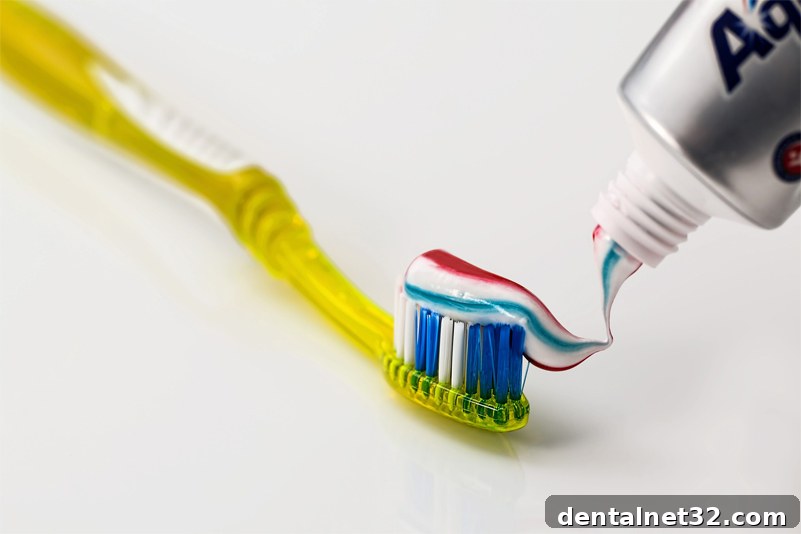
A bright, healthy smile is a universal sign of confidence and well-being. At the heart of achieving this is a simple, daily ritual: brushing your teeth. Every dentist emphasizes that consistent, twice-daily brushing is non-negotiable for maintaining the health of your teeth and gums. However, a surprising number of us go through the motions without ever mastering the correct approach. Are you certain your brushing habits are actually protecting your smile, or could they be inadvertently causing harm? This comprehensive guide will delve into the four pillars of perfect brushing: the right tools, the ideal toothpaste, the correct duration, and the most effective technique. By mastering these elements, you can elevate your oral hygiene routine, prevent common dental issues like cavities and gum disease, and avoid unexpected dental emergencies.
Choosing Your Perfect Toothbrush: A Detailed Guide
Walking down the oral care aisle can be overwhelming. With countless options, from simple manual brushes to high-tech electric models, how do you choose the right one? The truth is, not all toothbrushes are created equal, and your choice can significantly impact your dental health.
The Case for Soft Bristles: Regardless of whether you choose a manual or electric toothbrush, one feature is paramount: soft bristles. Many people mistakenly believe that harder bristles clean more effectively, but this is a dangerous misconception. Medium and hard bristles can be abrasive to your tooth enamel, the protective outer layer of your teeth. Over time, this can lead to enamel erosion and increased tooth sensitivity. Furthermore, stiff bristles can damage delicate gum tissue, causing irritation, bleeding, and gum recession. The American Dental Association (ADA) universally recommends using a toothbrush with soft bristles, which are firm enough to remove plaque and food debris but gentle enough to protect your enamel and gums.
Manual vs. Electric Toothbrushes: The long-standing debate over manual versus electric toothbrushes ultimately comes down to personal preference and effectiveness.
- Manual Toothbrushes: A classic manual toothbrush is perfectly effective when used with the correct technique. Look for one with a head size that comfortably fits your mouth, allowing you to easily reach all your teeth, including the hard-to-reach molars in the back. An ergonomic handle can also provide a better grip for improved control. The main drawback is that the user is entirely responsible for technique and timing, which can lead to inconsistencies. Remember, manual toothbrushes should be replaced every three to four months, or sooner if the bristles become frayed and bent. Worn bristles are ineffective at cleaning and can harbor harmful bacteria.
- Electric Toothbrushes: While they represent a larger initial investment, electric toothbrushes offer several distinct advantages. They do most of the work for you, using either oscillating-rotating or sonic vibrating motions to dislodge plaque. This makes them an excellent choice for individuals with dexterity issues. Many models come equipped with invaluable features like a built-in two-minute timer to ensure you brush for the recommended duration and a pressure sensor that alerts you if you’re brushing too hard, protecting your gums and enamel from damage. Clinical studies have consistently shown that electric toothbrushes can be more effective at removing plaque and reducing gingivitis than their manual counterparts.
Decoding the Toothpaste Aisle: Finding Your Ideal Formula
Just as important as your toothbrush is the toothpaste you pair it with. The ideal toothpaste depends on your specific oral health needs, but there are a few key ingredients and types to consider.
The Power of Fluoride: The single most important ingredient to look for in a toothpaste is fluoride. Fluoride is a naturally occurring mineral that has been proven to be a powerhouse in the fight against tooth decay. It works by strengthening tooth enamel, making it more resistant to acid attacks from plaque bacteria and sugars in the mouth. It can even reverse early signs of tooth decay through a process called remineralization. When shopping, look for the ADA Seal of Acceptance on the packaging, which certifies that the product has been tested and proven to be safe and effective.
Targeted Formulas for Specific Needs:
- For Tartar Control: Plaque that isn’t removed can harden into tartar (or calculus), a crusty deposit that can only be removed by a dental professional. Tartar control toothpastes contain ingredients like pyrophosphates or zinc citrate that help prevent new tartar from forming on the teeth.
- For Sensitive Teeth: If you experience a sharp pain when consuming hot, cold, or sweet foods, you may have sensitive teeth. This is often caused by exposed dentin. Toothpastes designed for sensitivity contain compounds like potassium nitrate or stannous fluoride, which work by either blocking the pathways to the nerves inside your teeth or by creating a protective barrier over sensitive areas.
- For Whitening: Whitening toothpastes are designed to remove surface stains caused by coffee, tea, and other foods. They typically contain mild abrasives or chemical agents to polish the teeth. While effective for surface stains, be cautious. Overly abrasive formulas, when used aggressively, can potentially wear down enamel over time. It’s best to use them as directed and consult your dentist about professional whitening options for deeper stains.
The Two-Minute Rule: Why Brushing Duration Matters
Even with the best tools, you won’t achieve an effective clean if you don’t brush for long enough. Dentists unanimously recommend brushing for a full two minutes, twice a day. Unfortunately, the average person brushes for only about 45 seconds, which is simply not enough time to thoroughly clean every tooth surface.
To understand why two minutes is the magic number, divide your mouth into four quadrants: upper right, upper left, lower right, and lower left. By spending 30 seconds on each quadrant, you ensure that every area receives adequate attention. Rushing through your routine means you are likely missing entire sections, particularly the inside surfaces of your teeth and the molars in the back. This leftover plaque can lead to cavities, bad breath, and gum inflammation. To help you reach the two-minute mark, try using the timer on your phone, listening to a favorite two-minute song, or investing in an electric toothbrush with a built-in timer that buzzes every 30 seconds to signal when it’s time to move to the next quadrant.
Mastering the Art: The Correct Brushing Technique Step-by-Step
You have the right brush, the perfect paste, and you’re committed to the two-minute rule. The final piece of the puzzle is technique. The way you move the brush in your mouth is critical for effectively removing plaque without causing damage.
Many people use a vigorous, back-and-forth “sawing” motion. This is not only ineffective but also harmful. It can scrub away enamel at the gumline and cause your gums to recede, exposing the sensitive root surfaces of your teeth. Instead, dentists recommend the Modified Bass Technique for a safe and thorough clean:
- Position the Brush: Hold your toothbrush at a 45-degree angle to your gums. The tips of the bristles should be aimed at the area where your teeth and gums meet.
- Use a Gentle Motion: Gently move the brush back and forth using short, tooth-wide strokes. Alternatively, use a small, gentle circular motion. The key is to massage the gumline, allowing the bristles to sweep plaque away from the teeth and gums.
- Be Systematic: Work through your mouth one quadrant at a time. Clean the outer surfaces of all your teeth, then move to the inner surfaces, and finally, clean the chewing surfaces.
- Clean Inner Surfaces: To clean the inside surfaces of your front teeth, tilt the brush vertically and make several gentle up-and-down strokes with the front part of the brush.
- Brush Your Tongue: Don’t forget to gently brush your tongue to remove bacteria and freshen your breath.
Remember to use light pressure. You are guiding the bristles, not scrubbing a floor. If the bristles on your manual brush are bending or splaying, you are pressing too hard. Proper technique ensures you are polishing your teeth and stimulating your gums, creating a foundation for excellent long-term oral health.
Beyond Brushing: Partnering with Your Dentist for Optimal Health
Mastering your daily brushing routine is the most powerful step you can take for your oral health. However, it’s essential to remember that it’s one part of a complete care strategy. Daily flossing is crucial for cleaning the tight spaces between teeth where a toothbrush can’t reach. Furthermore, regular professional cleanings and check-ups with your dentist are vital. They can remove hardened tartar, spot potential issues before they become major problems, and provide personalized advice to keep your smile healthy and bright for a lifetime.
If you have questions about your brushing technique, need advice on the right products for you, or wish to schedule a check-up, don’t hesitate to reach out to a dental professional. Your commitment at home, combined with expert care, is the ultimate formula for a healthy smile.