
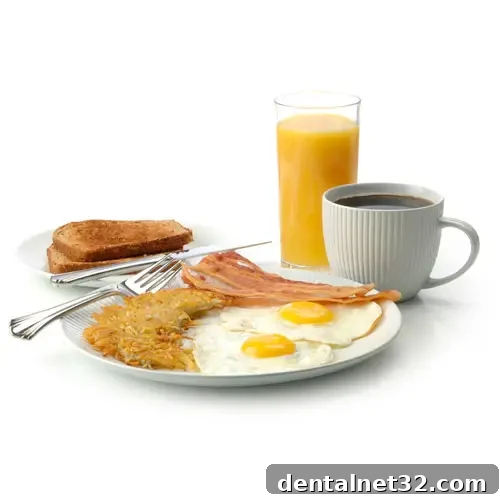
Brushing Teeth Before or After Breakfast: The Ultimate Dental Guide
Every morning presents a series of small decisions that shape our day. Among the most debated is a question that splits households and puzzles health-conscious individuals: should you brush your teeth before or after breakfast? This seemingly simple choice has significant implications for your long-term oral health, particularly the integrity of your tooth enamel. In this comprehensive guide, we will delve into the science behind both practices, explore the pros and cons, and provide clear recommendations to help you build the best possible morning routine for a healthy, radiant smile.
Understanding what happens in your mouth overnight is the first step. While you sleep, saliva production decreases, creating an ideal environment for bacteria to multiply. These bacteria form a sticky film on your teeth called plaque. When you wake up, this plaque is ready to feast on the sugars and carbohydrates from your breakfast, producing acids that attack your tooth enamel. This acid attack is the primary cause of cavities. The debate, therefore, centers on the most effective strategy to combat this process: do you remove the bacteria before they can eat, or do you clean up the mess after the meal is over?
The Case for Brushing Your Teeth Before Breakfast
Many dental professionals lean towards brushing your teeth as one of the first things you do upon waking. This approach focuses on preparation and protection, setting your teeth up for success before they encounter the challenges of your first meal. By brushing first, you are proactively managing your oral environment.
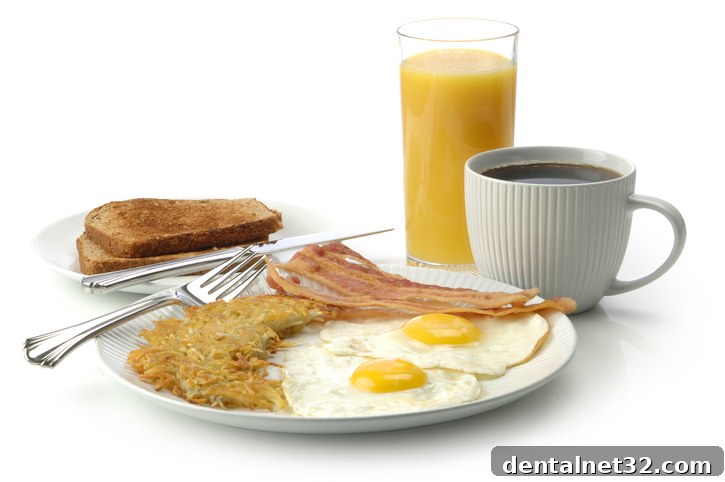
Key Benefits of a Pre-Breakfast Brush
- Immediate Plaque Removal: Brushing first thing in the morning removes the plaque and bacteria that have accumulated overnight. This means that when you eat breakfast, there are far fewer bacteria available to convert sugars into harmful acids, significantly reducing the intensity of the acid attack on your teeth.
- Enamel Protection with Fluoride: When you use fluoride toothpaste, brushing before breakfast applies a protective layer of fluoride to your enamel. This mineral shield acts as a barrier, fortifying your teeth against the acids from your food and drinks, such as coffee, citrus juice, and fruits. It’s like putting on armor before going into battle.
- Combats Morning Breath: “Morning breath” is primarily caused by the buildup of bacteria and their waste products overnight. Brushing immediately upon waking effectively eliminates these compounds, giving you fresh breath to start your day and making breakfast more pleasant for you and anyone you share it with.
- Jumpstarts Saliva Production: The act of brushing stimulates your salivary glands. Saliva is your body’s natural defense mechanism against tooth decay. It helps neutralize acids, wash away food particles, and begin the process of remineralizing your enamel. Starting this process before you eat can be highly beneficial.
Potential Downsides to Consider
- Lingering Food Particles: The most obvious drawback is that food particles from your breakfast will remain in your mouth until your next brushing session. While this can feel less than clean, a thorough rinse with water after your meal can help mitigate this issue.
- Altered Taste Perception: A compound in most toothpastes, sodium lauryl sulfate (SLS), temporarily suppresses the receptors on your tongue that detect sweetness and enhances those that detect bitterness. This is why drinking orange juice after brushing tastes so unpleasant. Choosing an SLS-free toothpaste can solve this problem.
The Argument for Brushing Your Teeth After Breakfast
The logic behind brushing after breakfast is straightforward: clean up the mess after it’s been made. This method focuses on removing food debris and neutralizing the acidic environment created by your meal, ensuring your mouth is completely clean as you head out the door.
Advantages of a Post-Meal Clean
- Thorough Removal of Food Debris: Brushing after you eat ensures that no particles of food—be it spinach from an omelet or a stray oat—are left between your teeth. This not only gives you a fresher feeling but also denies any remaining bacteria a food source for the rest of the morning.
- Neutralizes Post-Meal Acidity: This approach directly addresses the acidic environment created by eating. By brushing away acidic residues, you help your mouth return to a neutral pH more quickly.
- Fresh Breath for the Day Ahead: You leave the house with the confidence of a freshly cleaned mouth, with no lingering coffee or food odors.
The Crucial Waiting Period: A Major Drawback
While brushing after breakfast has its merits, it comes with a critical and non-negotiable rule: you must wait at least 30 to 60 minutes after eating before you brush. This is the most important factor to consider for this method. Here’s why:
Many common breakfast foods and drinks (coffee, orange juice, toast, yogurt, fruit) are acidic. This acid temporarily softens your tooth enamel in a process called demineralization. If you brush your teeth while the enamel is in this weakened state, you are essentially scrubbing the acid into the tooth surface and physically abrading the softened enamel away. Over time, this can lead to significant enamel erosion, tooth sensitivity, and an increased risk of cavities.
Waiting 30-60 minutes allows your saliva to do its job. Saliva gradually neutralizes the acids in your mouth and begins the remineralization process, hardening the enamel back to its normal state. Only after this period is it safe to brush. For many people, this waiting period is simply not practical during a busy morning rush, making it a significant risk factor for unintentional tooth damage.
The Verdict: What Do Dentists Recommend?
Given the significant risk of enamel damage associated with brushing too soon after a meal, the majority of dental professionals recommend brushing your teeth before breakfast. This strategy prioritizes the protection of your irreplaceable tooth enamel. By removing plaque first and applying a fluoride shield, you minimize the acid attack from your breakfast altogether. This is widely considered the safest and most effective approach for long-term oral health.
If you strongly prefer the clean feeling of brushing after you eat, you can still do so safely by strictly adhering to the 30-60 minute waiting rule. A great compromise is to brush before breakfast and then simply rinse your mouth vigorously with water or a fluoride mouthwash after your meal to wash away any remaining food particles.
Final Thoughts: Consistency is Key
Ultimately, the debate over timing is secondary to the quality and consistency of your oral hygiene routine. Whether you brush before or after, the most crucial elements of maintaining a healthy smile remain the same:
- Brush for Two Full Minutes: Use a timer to ensure you are brushing long enough to effectively clean all tooth surfaces.
- Use Proper Technique: Use a soft-bristled toothbrush and gentle, circular motions. Avoid aggressive scrubbing, which can damage gums and enamel.
- Brush Twice a Day: Brushing in the morning and before bed is essential.
- Don’t Forget to Floss: Flossing daily removes plaque and food from between the teeth where a toothbrush can’t reach.
- Get Regular Dental Check-ups: Professional cleanings and exams are vital for preventing problems and maintaining your oral health.
By understanding the science behind the great breakfast debate, you can make an informed decision that best suits your lifestyle and protects your smile. For most, brushing before breakfast offers the best protection with the lowest risk. Whatever you choose, commit to a consistent and thorough routine for a lifetime of healthy teeth and gums.