
The Ultimate Guide to Brushing and Flossing: A Step-by-Step Tutorial for a Healthier Smile
A radiant, healthy smile is more than just a cosmetic asset; it’s a cornerstone of your overall well-being. The foundation of this health lies in a simple yet crucial daily ritual: brushing and flossing. While most of us perform these tasks on autopilot, the specific techniques we use can make a world of difference. Proper oral hygiene is your primary defense against tooth decay and gum disease, the leading causes of tooth loss in adults. This comprehensive guide will break down the expert-recommended steps to perfect your brushing and flossing routine, ensuring you get the maximum benefit from your daily efforts and maintain a lifetime of excellent dental health.
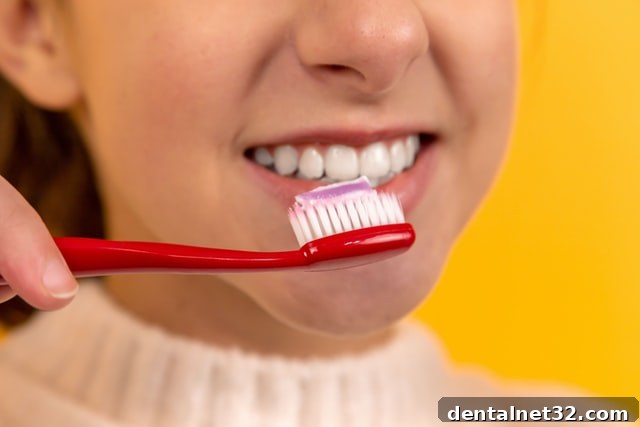
Gearing Up for Success: Choosing Your Oral Hygiene Tools
Before you can master the technique, you need the right equipment. The tools you choose play a significant role in the effectiveness of your routine. Walking down the dental care aisle can be overwhelming, but selecting the right products is simple when you know what to look for.
Selecting the Perfect Toothbrush
Your toothbrush is your most important tool. The American Dental Association (ADA) provides clear guidelines for what makes an effective brush:
- Soft Bristles: Always choose a toothbrush with soft bristles. Many people mistakenly believe that medium or hard bristles clean better, but they can be abrasive. Overly firm bristles can damage your tooth enamel and lead to gum recession, exposing the sensitive root of the tooth. Soft bristles are flexible enough to clean effectively beneath the gumline and between teeth without causing harm.
- The Right Size and Shape: The head of the toothbrush should be small enough to comfortably reach all areas of your mouth, including the hard-to-reach back molars. The handle should feel comfortable and secure in your hand.
- Manual vs. Electric: Both manual and electric toothbrushes can be effective if used correctly. Electric toothbrushes can be particularly beneficial for individuals with dexterity issues or for those who tend to rush their brushing. Many electric models come with built-in two-minute timers and pressure sensors to prevent you from brushing too hard.
- Time for a Replacement: A worn-out toothbrush is an ineffective one. Plan to replace your toothbrush every three to four months, or sooner if you notice the bristles are frayed, bent, or discolored. A frayed brush cannot adequately clean plaque and may even harbor bacteria.
The Importance of Fluoride Toothpaste
Fluoride is a natural mineral that is proven to strengthen tooth enamel and make it more resistant to acid attacks from plaque and sugars, which cause cavities. When selecting a toothpaste, always ensure it contains fluoride and look for the ADA Seal of Acceptance. This seal signifies that the product has been scientifically evaluated for safety and effectiveness by the American Dental Association.
The Definitive Guide to Brushing Your Teeth Correctly
Technique is everything. The goal of brushing is not to scrub your teeth as hard as possible, but to methodically remove the sticky film of bacteria known as plaque. Dedicate at least two minutes, twice a day to this process. To ensure you cover all areas evenly, mentally divide your mouth into four quadrants (upper right, upper left, lower right, lower left) and spend 30 seconds on each.
- Position Your Brush: Place your toothbrush against your teeth at a 45-degree angle to the gumline. This specific angle allows the bristles to reach and clean both the tooth surface and the critical area just beneath the gumline, where plaque accumulates and gingivitis begins.
- Use Gentle, Short Strokes: Apply gentle pressure—just enough to feel the bristles against your teeth and gums. Brushing too hard can be counterproductive and damaging. Use short, circular, or tooth-wide strokes to clean the outer surfaces of your teeth.
- Be Systematic: Start with the outer surfaces of your upper teeth, then move to the inner surfaces. Repeat this process for your lower teeth. Ensure you are methodically cleaning each tooth and paying special attention to the back molars, which are often missed.
- Clean the Chewing Surfaces: After cleaning the front and back surfaces, move on to the chewing surfaces. Hold the brush flat and use a gentle back-and-forth scrubbing motion.
- Tackle the Inner Front Teeth: For the inside surfaces of your front teeth (both top and bottom), tilt the brush vertically. Use the tip of the brush to make several gentle up-and-down strokes on each tooth and the surrounding gum tissue.
- Don’t Forget Your Tongue: Your tongue can harbor a significant amount of odor-causing bacteria. Gently brush your tongue from back to front to remove these bacteria and food particles, which helps freshen your breath and improves your overall oral hygiene.
Unlocking the Benefits of Flossing: A How-To Guide
Brushing alone can’t reach the tight spaces between your teeth and under the gumline. This is where flossing becomes essential. It removes trapped plaque and food particles, preventing cavities and gum disease in these vulnerable areas. A common question is whether to floss before or after brushing. A 2018 study in the Journal of Periodontology found that flossing before brushing was more effective. Flossing first loosens the plaque between teeth, allowing the toothbrush and fluoride toothpaste to better clean these areas.
- Use the Right Amount: Pull out about 18 inches of floss. This may seem like a lot, but it allows you to use a fresh, clean section of floss for each tooth, preventing the redepositing of plaque and bacteria.
- Get a Secure Grip: Wind most of the floss around one of your middle fingers, and wind the remaining floss around the middle finger of your opposite hand. This second finger will take up the floss as it becomes used. Use your thumbs and forefingers to grip and guide about an inch of floss between them.
- Guide the Floss Gently: Using a gentle sawing motion, slide the floss between two teeth. Be careful not to snap the floss into your gums, as this can cause irritation or bleeding.
- Form the “C-Shape”: Once the floss reaches the gumline, curve it into a C-shape against one tooth. Gently slide it into the space between the gum and the tooth until you feel slight resistance. This ensures you are cleaning beneath the gumline.
- Scrape and Repeat: Hold the floss firmly against the side of the tooth and gently scrape the surface by moving the floss up and down, away from the gum. Then, curve the floss around the adjacent tooth and repeat the process. Unwind a fresh section of floss as you move from tooth to tooth.
- A Note on Bleeding Gums: If you’re new to flossing or haven’t done it in a while, your gums might be tender or bleed slightly for the first few days. This is often a sign of existing inflammation caused by plaque. Don’t be discouraged! As you continue to floss daily, the plaque will be removed, the inflammation will subside, and the bleeding should stop within a week or two.
The Finishing Touches: Rinsing and Beyond
After you have thoroughly brushed and flossed, rinse your mouth with water to wash away any loosened debris. For an added layer of protection, your dentist may recommend an antiseptic or fluoride mouthwash. Therapeutic mouthwashes can help reduce plaque, prevent or reduce gingivitis, and combat bad breath. Use it as directed by your dentist, but consider using it at a different time than brushing to avoid rinsing away the concentrated fluoride from your toothpaste immediately after application.
Consistency is Key: Partnering with Your Dentist
Mastering these techniques is a fantastic step toward optimal oral health, but home care is only one part of the equation. Your daily routine is designed to control plaque, but any plaque that is missed can harden into tartar (or calculus), which cannot be removed with a toothbrush or floss. This is why regular professional cleanings and check-ups are essential.
During a dental check-up, your dentist and hygienist can remove stubborn tartar, screen for early signs of decay or gum disease, and provide personalized advice to improve your home care routine. By combining a diligent daily brushing and flossing regimen with regular professional care, you can ensure your smile remains healthy, strong, and bright for years to come.
If you are looking for a dentist in Cary or Holly Springs to partner with on your oral health journey, contact us. We accept a wide variety of insurance plans and are currently welcoming new patients. You can reach our Holly Springs dentist office at (919) 600-6262 and our Cary, NC dentist office at (919) 467-2203. You can also fill out our contact form to schedule an appointment.