
Oral cancer, while less common than some other cancers, poses a significant health risk due to its potential severity. The American Cancer Society estimates that tens of thousands of people are diagnosed each year, and unfortunately, a considerable number succumb to the disease. However, there is a powerful tool in the fight against oral cancer: early detection. When identified in its initial stages, the five-year survival rate for oral cancer improves dramatically, climbing to over 85%. This statistic underscores the critical importance of public awareness.
Understanding the early signs and symptoms is the first step toward protecting yourself and your loved ones. This comprehensive guide is designed to empower you with knowledge about the warning signs of oral cancer, the associated risk factors, and the vital role your dentist plays in early diagnosis. Recognizing these indicators promptly can lead you to seek professional care when it matters most.
Key Warning Signs of Oral Cancer You Should Never Ignore
Oral cancer can manifest in numerous ways and can develop on the tongue, lips, gums, the roof of the mouth (palate), the floor of the mouth, the inside of the cheeks, or in the throat (pharynx). Because the symptoms can sometimes mimic less serious conditions, it’s crucial to be vigilant and consult a professional if any of the following signs persist for more than two weeks.
1. Persistent Sores, Lumps, or Thick Patches
One of the most common signs of oral cancer is a sore or ulcer in the mouth or on the lip that does not heal. While canker sores or injuries from biting your cheek are normal and usually heal within a week or two, a cancerous lesion will persist. Similarly, be aware of any new lumps, bumps, or thickened areas on the inside of your cheeks, gums, or elsewhere in your mouth. These areas may feel rough or crusty to the touch. A self-exam using a bright light and a mirror can help you spot these changes early.
2. Red or White Patches (Erythroplakia and Leukoplakia)
Pay close attention to any unusual patches of color inside your mouth. A flat or slightly raised white patch is known as leukoplakia, and a red patch is called erythroplakia. While often benign, these patches can be precancerous, meaning they contain abnormal cells that have a higher likelihood of becoming malignant over time. A mixture of red and white patches (erythroleukoplakia) is particularly concerning. Any such discoloration that doesn’t resolve on its own warrants an immediate dental evaluation.
3. Unexplained Numbness or Pain
Cancer can affect nerve pathways, leading to unusual sensations. If you experience persistent numbness, tenderness, or pain in any part of your mouth, face, or neck without an obvious cause, it should be investigated. This can feel like a lingering tingling sensation or a dull ache that simply won’t go away. This symptom is a sign that something is interfering with normal nerve function and should not be dismissed.
4. Difficulty Chewing, Swallowing, or Speaking
A tumor or growth can physically interfere with the complex mechanics of your mouth and throat. This can lead to noticeable difficulty or pain when chewing or swallowing. You might feel as though food is constantly getting stuck in your throat. Similarly, changes in the mobility of your tongue or jaw can cause slurred speech or other changes in your voice, such as persistent hoarseness. If you find yourself altering your diet to softer foods because of discomfort, it’s a clear signal to see a professional.
5. Loose Teeth or Ill-Fitting Dentures
For adults, teeth should not suddenly become loose without a reason like advanced gum disease. If cancer develops in the jawbone or gums, it can weaken the structures that support your teeth, causing them to loosen. Likewise, if you wear dentures and they suddenly stop fitting correctly or cause sore spots, it could be due to underlying changes in the tissues of your gums or jaw caused by a growth.
Uncovering the Risk Factors: Who is Most at Risk?
While oral cancer can affect anyone, certain lifestyle choices and conditions significantly increase the risk. Awareness of these factors can motivate proactive changes and encourage more frequent screenings.
- Tobacco Use: This is the single greatest risk factor. Using cigarettes, cigars, pipes, or smokeless tobacco (chew or snuff) dramatically increases your chances of developing oral cancer. The chemicals in tobacco directly damage the DNA of cells in the mouth.
- Heavy Alcohol Consumption: Frequent and heavy consumption of alcohol is another major risk factor. The risk is even higher for individuals who both smoke and drink heavily, as these substances can act synergistically to cause cellular damage.
- Human Papillomavirus (HPV): Certain strains of HPV, a common sexually transmitted virus, are strongly linked to cancers of the oropharynx (the back of the throat, including the base of the tongue and tonsils).
- Excessive Sun Exposure: Prolonged exposure to the sun without protection is a primary cause of cancer on the lips. Using lip balm with SPF is a simple and effective preventative measure.
- Age and Gender: Oral cancer is more common in people over the age of 40, and men are historically twice as likely as women to be diagnosed, though this gap is narrowing.
The Crucial Role of Your Dentist in Early Detection
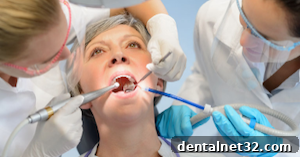
You might think of dental visits as being solely for cleanings and checking for cavities, but they are much more than that. Regular dental check-ups are one of your best defenses against oral cancer. Dentists are highly trained to spot the subtle, early signs of the disease that you might easily miss during a self-exam.
During a routine examination, your dentist performs a comprehensive oral cancer screening. This is a quick, painless process that involves:
- A thorough visual inspection of your entire mouth, including the lips, cheeks, gums, tongue (top, bottom, and sides), and the roof and floor of your mouth.
- Palpation of your jaw and neck to feel for any unusual lumps, bumps, or swollen lymph nodes that could indicate a problem.
This professional screening is vital because it establishes a baseline for your oral health. Your dentist can track any changes over time and identify suspicious areas that require further investigation, such as a biopsy. By scheduling and keeping regular dental appointments at least twice a year, you are taking a proactive and potentially life-saving step for your overall health.
Schedule Your Life-Saving Oral Cancer Screening Today
Vigilance is key. By combining regular self-exams with professional dental screenings, you significantly increase the likelihood of catching oral cancer at its earliest, most treatable stage. If you have noticed any of the signs or symptoms discussed in this article, or if you have risk factors that concern you, do not delay. It is always better to have a professional evaluation and find that it is nothing serious than to wait and allow a potential problem to worsen.
At Sninski & Schmitt Family Dentistry, your health and peace of mind are our top priorities. Our experienced team is dedicated to providing thorough oral cancer screenings as a standard part of our comprehensive patient care. If you have any concerns, we encourage you to schedule an appointment. We have two convenient locations to serve you. Contact our Holly Springs dentist office at (919) 600-6262 or our Cary, NC dentist office at (919) 467-2203. You can also easily schedule an appointment by filling out our online contact form. Take control of your health today.