
Your Complete Guide to Understanding and Preventing Gum Recession
Have you ever felt a sudden twinge of sensitivity when enjoying a cold drink or a hot meal? Do you notice a peculiar sensation near the base of one or more teeth? These common experiences could be early signs of gum recession. Understanding this condition is the first step toward protecting your long-term oral health.
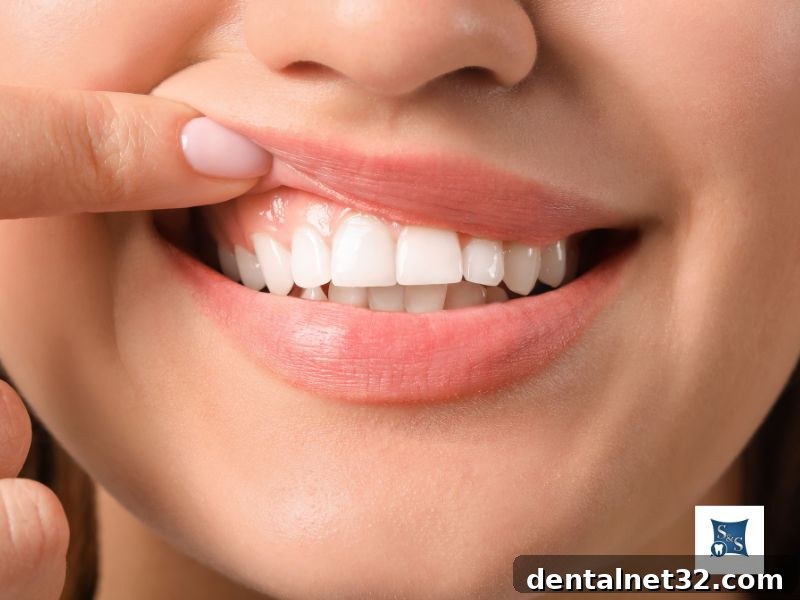
Gum recession, clinically known as gingival recession, is a process where the gum tissue surrounding your teeth pulls back or wears away, exposing more of the tooth or its root. This is not an uncommon issue; in fact, it affects a large portion of the population. Data from the National Institute of Dental and Craniofacial Research indicates that gum recession is prevalent, with about half of all adults showing some degree of it. The likelihood increases with age, affecting nearly 88% of individuals over 65. However, it’s crucial to recognize that gum recession can manifest at any age, even in younger individuals, especially if risk factors are present.
While the prevalence of gum recession might seem alarming, the good news is that it is often preventable. With the right knowledge and oral care habits, you can significantly lower your risk. This comprehensive guide will explore the causes, prevention strategies, and treatment options for gum recession, empowering you to maintain a healthy, resilient smile for years to come.
What Happens When Your Gums Recede? The Impact on Your Oral Health
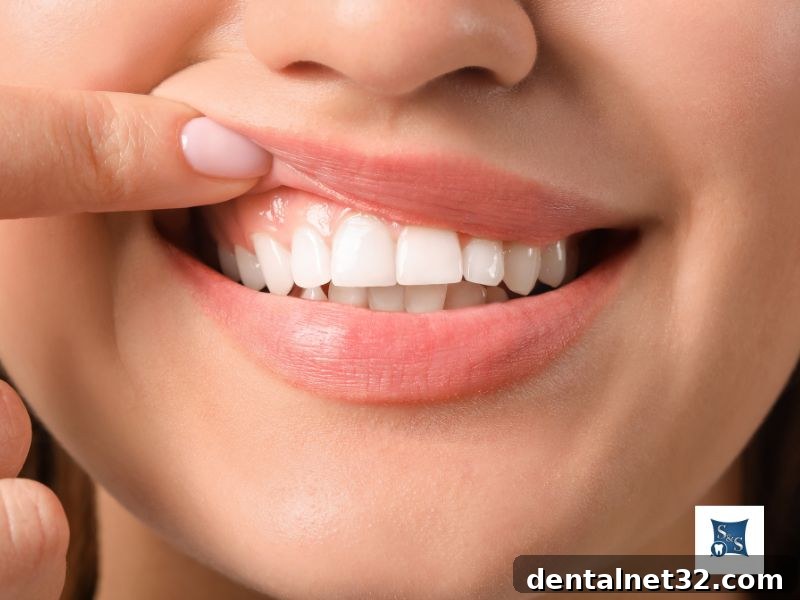
Your gums play a vital, multi-faceted role in protecting your oral health. They are more than just the pink tissue framing your teeth. The gum tissue, or gingiva, is composed of two main parts. The “attached gingiva” is the firm tissue that directly connects your teeth to the underlying jawbone, providing a stable foundation. The “unattached gingiva” is the more flexible tissue that protects the inside of your lips and cheeks. The very edge of this tissue, where it meets the teeth, is called the gingival margin. When this margin begins to recede, it pulls away from the teeth, initiating a cascade of potential problems. This recession leaves the sensitive tooth roots exposed. Unlike the crowns of your teeth, which are protected by hard enamel, the roots are covered by a softer substance called cementum, making them far more vulnerable to decay, damage, and sensitivity. It’s essential to understand a critical fact: once gum tissue is lost, it does not grow back on its own.
Uncovering the Root Causes of Gum Recession
A variety of factors, ranging from lifestyle habits to genetics, can contribute to the recession of your gums. Identifying these causes is key to effective prevention. Here are the most common culprits:
- Periodontal Disease: This is the leading cause of gum recession. Chronic bacterial infections associated with gum disease actively destroy gum tissue and the supporting bone that holds your teeth in place, causing the gums to pull away.
- Aggressive Brushing Habits: While brushing is crucial, doing it too forcefully can be counterproductive. Using a hard-bristled toothbrush or scrubbing aggressively can physically wear down both your tooth enamel and your delicate gum tissue, leading to recession over time.
- Hormonal Fluctuations: Significant hormonal shifts during puberty, pregnancy, and menopause can make gum tissue more sensitive and susceptible to inflammation and recession.
- Genetic Predisposition: Unfortunately, some people are simply born with thinner or more fragile gum tissue, making them genetically more prone to recession, even with good oral hygiene.
- Tooth Misalignment: When teeth are crooked, crowded, or misaligned, the forces of biting and chewing are not distributed evenly. This can place excessive pressure on certain areas of the gums and bone, causing them to recede.
- Teeth Grinding and Clenching (Bruxism): The immense pressure created by chronically grinding or clenching your teeth puts a significant strain on your gums, which can accelerate the recession process.
- Tobacco Use: Both smoking and chewing tobacco are detrimental to gum health. They can lead to sticky plaque buildup and restrict blood flow to the gums, impairing their ability to heal and making them more vulnerable to infection and recession.
- Orthodontic Treatment: While beneficial, braces and other orthodontic appliances can sometimes contribute to gum recession if the movement of teeth puts undue pressure on the gum tissue. Proper management is key.
- Poor Oral Hygiene: Neglecting regular brushing and flossing allows plaque—a sticky film of bacteria—to accumulate. This plaque can harden into tartar, which irritates the gums and can only be removed by a dental professional, leading to gum disease and recession.
- Dry Mouth (Xerostomia): Certain medications or health conditions can reduce saliva flow. Saliva is essential for washing away food particles and neutralizing harmful acids, so a dry mouth increases the risk of plaque buildup and gum problems.
- Lip or Tongue Piercings: Jewelry in the mouth can constantly rub against the gums, causing physical irritation and trauma that can lead to localized gum recession over time.
Proactive Strategies to Prevent Gum Recession
While you can’t change your genetics, you have significant control over many of the risk factors for gum recession. Adopting a proactive approach to oral care can dramatically reduce your risk and preserve your gum health.
Master Excellent Oral Hygiene
A consistent and correct oral hygiene routine is your first line of defense. This involves more than just a quick brush each day. For optimal gum health, we recommend:
- Proper Brushing Technique: Use a soft-bristled toothbrush and a fluoride toothpaste. Brush at least twice a day for a full two minutes, using gentle, circular motions. Focus on cleaning along the gumline, where plaque accumulates most. Avoid aggressive back-and-forth scrubbing.
- Daily Flossing: Flossing is non-negotiable. It removes plaque and food debris from between your teeth and under the gumline, areas your toothbrush simply cannot reach. This is critical for preventing periodontal disease.
- Use an Antimicrobial Mouthwash: Rinsing with a therapeutic or antimicrobial mouthwash can help reduce the bacterial load in your mouth, control plaque buildup, and keep your gums healthy.
Embrace a Balanced, Gum-Friendly Diet
What you eat directly impacts your oral health. A diet high in sugary and acidic foods and drinks feeds the harmful bacteria that cause plaque and gum disease. To support strong gums, focus on a balanced diet rich in vitamins and minerals. Foods like leafy greens, dairy products (for calcium), and fibrous fruits and vegetables help strengthen your teeth and gums from the inside out.
Address Teeth Grinding and Clenching
If you suspect you grind or clench your teeth, especially at night, speak to your dentist. They may recommend a custom-fitted night guard. This device acts as a protective barrier, absorbing the pressure and preventing further damage to your teeth and gums.
Consider Correcting Misaligned Teeth
If your teeth are misaligned, orthodontic treatment can do more than just improve the appearance of your smile. By realigning your teeth, treatments like braces or clear aligners help to distribute bite forces evenly, which reduces excessive stress on your gums and can help halt or even reverse recession in some cases.
Commit to Regular Dental Checkups
Professional dental care is essential. Schedule regular checkups and cleanings with your dentist. These visits allow for the early detection and management of issues like gum recession. Your dentist can provide professional cleanings to remove tartar and will recommend a cleaning schedule—whether every six months or more frequently—that is tailored to your specific needs.
Effective Treatment Options for Gum Disease and Recession
If you are already experiencing gum recession, it is crucial to seek treatment as soon as possible to prevent further damage. Treatment approaches can be either non-surgical or surgical, depending on the severity of the condition.
Non-Surgical Treatments
- Scaling and Root Planing: This deep-cleaning procedure is often the first step. It involves carefully removing all plaque and tartar from above and below the gumline (scaling) and then smoothing the tooth roots (planing) to help the gums reattach to the teeth.
- Dental Bonding: For minor recession, a tooth-colored composite resin can be applied to the exposed root surface. This can help protect the root from decay and reduce sensitivity.
- Antibacterial Medications: Your dentist may prescribe an antibacterial mouthwash or place antibiotics directly into the gum pockets to help control infection and inflammation.
- Desensitizing Agents: Special varnishes or agents can be applied to the exposed roots to help block the pathways to the nerves, significantly reducing tooth sensitivity.
Surgical Treatments
For more advanced cases of recession, surgical intervention may be necessary:
- Gum Grafting: This is the most common surgical solution. A small piece of tissue is taken from another area of your mouth, such as the palate, or from a donor source, and is carefully stitched over the exposed root to rebuild the gumline.
- Pinhole Surgical Technique (PST): A minimally invasive alternative to traditional grafting. A small pinhole is made in the gum tissue, and special instruments are used to gently loosen and reposition the gumline to cover the exposed roots.
- Laser-Assisted Gum Therapy: Advanced dental lasers can be used to remove inflamed tissue, decontaminate the area, and help stimulate the regeneration of healthy gum tissue with minimal discomfort.
- Bone and Tissue Regeneration: If significant bone has been lost due to periodontal disease, a procedure may be performed where a regenerative material, like a membrane or graft, is placed to encourage your body to regrow lost bone and tissue.
Partner with Sninski & Schmitt Family Dentistry for Your Gum Health
A proactive and experienced dental team is your best ally in the fight against gum recession. If you’re concerned about your gum health, we can help diagnose issues early and guide you through effective prevention and treatment plans. At Sninski & Schmitt Family Dentistry, we are dedicated to your oral health and are currently welcoming new patients. Contact our Holly Springs office at 919-600-6262 or our Cary office at 919-467-2203, or simply fill out our online contact form to schedule your appointment today.