
Is It More Than Just a Toothache? 6 Key Signs You Might Need a Root Canal
A persistent, throbbing toothache can disrupt your daily life, making it difficult to eat, sleep, or even concentrate. While many minor tooth issues resolve on their own or with simple remedies, a deep, unrelenting pain often signals a more serious problem lurking beneath the surface. If over-the-counter pain relievers aren’t providing relief after a couple of days, it’s a clear sign that you need to consult your dentist. This kind of pain is a classic symptom of an infection within the tooth’s dental pulp, a condition that requires a root canal to resolve. Even if you are diligent with your bi-annual dental check-ups, issues like deep decay or a cracked tooth can arise, leading to the need for this common and highly effective treatment.
Understanding the warning signs of a potential root canal can empower you to seek timely treatment, which is crucial for saving your natural tooth and preventing the infection from spreading. Ignoring these symptoms can lead to more severe pain, a dental abscess, and even bone loss in your jaw. In this comprehensive guide, we will explore the purpose of a root canal procedure and detail six unmistakable signs that indicate you may need this essential dental treatment.
Understanding the Root Canal: A Tooth-Saving Procedure
The term “root canal” often causes unnecessary anxiety, but the procedure itself is a modern, pain-relieving treatment designed to save a severely damaged or infected tooth. A root canal, also known as endodontic therapy, focuses on cleaning out the decay and infection from the innermost part of your tooth—the pulp chamber and root canals.
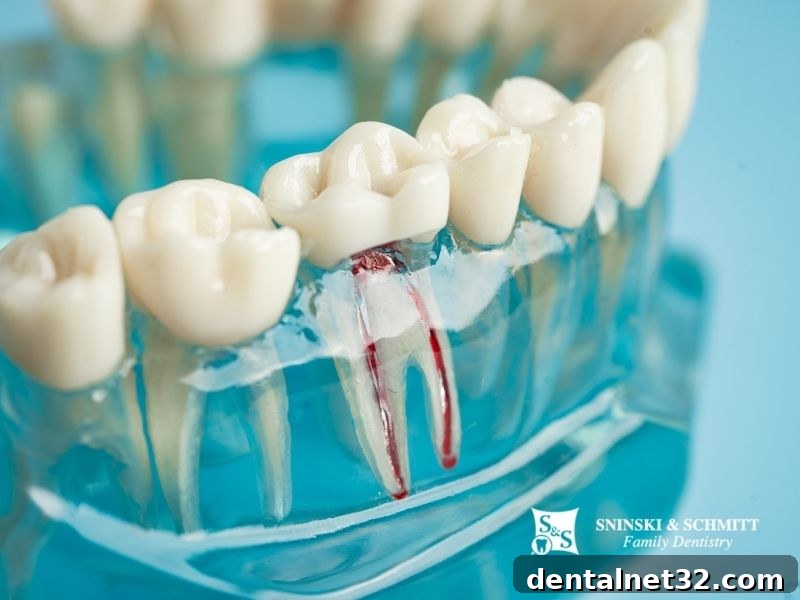
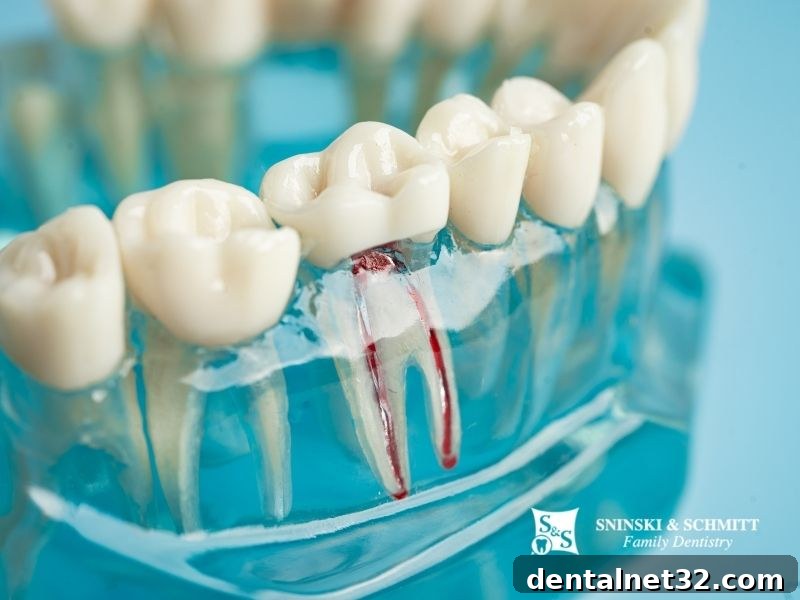
To understand the procedure, it helps to know the basic anatomy of a tooth. The hard, white outer layer you see is the enamel. Beneath the enamel is a layer of sensitive tissue called dentin. At the very center of your tooth is the soft core, or pulp. This pulp contains a network of nerves, blood vessels, and connective tissue, extending from the crown of the tooth down to the tips of the roots. When decay, a deep crack, or trauma allows bacteria to penetrate the enamel and dentin, this vital pulp can become inflamed and infected. If left untreated, the pulp will eventually die (become necrotic), leading to an abscess and severe pain.
A root canal procedure effectively removes the infected or inflamed pulp, meticulously cleans and disinfects the inside of the tooth, and then fills and seals the space to prevent re-infection. The primary goal is to eliminate the infection and pain while preserving the structure of your natural tooth.
How Does a Dentist Confirm You Need a Root Canal?
Before recommending a root canal, your dentist will perform a thorough examination to accurately diagnose the problem. This diagnostic process is crucial to ensure endodontic therapy is the right course of action. The evaluation typically includes:
- Dental X-rays: An X-ray allows the dentist to see the shape of the root canals and determine if the infection has spread to the surrounding bone, which often appears as a dark spot at the root tip.
- Sensitivity Tests: Your dentist may gently tap on the tooth (percussion test) or apply a cold or hot stimulus. A healthy tooth will react but the sensation will fade quickly. A tooth with pulp damage will often have a sharp, lingering pain in response to these stimuli.
- Electric Pulp Test (EPT): This device sends a small, gradually increasing electric current through the tooth. It helps determine if the pulp tissue is alive and responsive or if it has become necrotic.
- Visual Examination: The dentist will look for visible signs such as swelling in the gums and bone around your tooth, discoloration, or a pimple-like bump on the gum line.
- Bite Pressure Test: You may be asked to bite down on a small instrument to pinpoint which tooth is causing pain and to assess the level of discomfort upon applying pressure.
6 Unmistakable Signs You May Need a Root Canal
While it’s possible for an infected tooth to show no symptoms initially, this is rare. In most cases, your body will send clear signals that something is wrong. If you experience any of the following symptoms, schedule a dental appointment without delay.
1. Persistent, Severe Tooth Pain That Doesn’t Go Away
This isn’t just a minor ache. The pain from an infected pulp is often deep, intense, and persistent. It can be a constant, throbbing pain or a sharp, shooting pain that occurs spontaneously, even without a trigger. The pain might be severe enough to wake you up at night. Often, this deep-seated pain can radiate to your jaw, face, or even other teeth, making it difficult to pinpoint the exact source. While other issues like sinus pressure can cause tooth pain, a severe and relentless ache is a hallmark sign of an infected root canal system.
2. Painful Pressure and Discomfort When Chewing or Biting
If your tooth hurts when you eat or simply touch it, it could indicate severe decay or nerve damage. When the pulp inside a tooth is inflamed, it creates pressure that is exacerbated by biting down. This pressure can also affect the ligaments and bone at the tip of the tooth’s root, making the entire area extremely sensitive. This symptom can manifest as a sharp pain upon biting or a dull, continuous ache after a meal. This kind of pain is a clear signal that the infection has progressed and is affecting the tissues surrounding the tooth.
3. Lingering Sensitivity to Hot and Cold Temperatures
Many people have sensitive teeth, but the sensitivity associated with needing a root canal is distinct. It’s not a quick, fleeting “zing” when you sip a cold drink. Instead, it’s a prolonged, intense ache that lingers for 30 seconds or more after the hot or cold stimulus has been removed. This lingering sensitivity is a strong indicator that the nerves inside the tooth’s pulp are damaged or dying. As the infection worsens, the tooth may transition from being sensitive to hot and cold to only hurting with heat, or it may stop responding to temperature altogether once the nerve is dead.
4. A Darkened or Discolored Tooth
An injury or internal infection can disrupt the blood supply to a tooth, causing the pulp to die. When this happens, the breakdown of red blood cells and internal tissue can release pigments that stain the tooth’s dentin layer from the inside out. This often results in the tooth taking on a grayish, dark brown, or even black appearance. If you notice one of your teeth has become significantly darker than the others, it is a strong visual sign of internal trauma or necrosis, which almost always requires a root canal to address.
5. Swelling of the Gums, Face, or Jaw
Swelling is your body’s natural response to infection. When a tooth becomes abscessed, pus can accumulate at the root tip. If this pus has no way to drain, it can cause visible swelling in the gums around the affected tooth. In more severe cases, the infection can spread into the surrounding tissues, leading to noticeable swelling in your cheek, jaw, or even your neck. Facial swelling linked to a toothache is a serious condition that requires immediate dental attention, as the infection can spread further and cause systemic health problems.
6. A Pimple-Like Bump on the Gum
A small, persistent bump that looks like a pimple on your gum is a dental abscess, also known as a fistula or sinus tract. This is a channel that the body creates to drain pus from the site of the infection at the root of the tooth. An abscess is a definitive sign of a severe infection. It may sometimes drain, releasing a foul-tasting fluid into your mouth and temporarily relieving the pressure and pain. However, this does not mean the problem is solved. The underlying infection remains and will continue to cause damage until it is treated professionally with a root canal and possibly antibiotics.
Don’t Delay: Seek Professional Dental Care
If you are experiencing any of the symptoms detailed in this article, it is crucial to contact a dental professional as soon as possible. Ignoring the signs of an infected tooth will not make the problem go away; it will only lead to more severe pain and more complex dental issues. A root canal is a safe, effective, and common procedure that can relieve your pain, eliminate the infection, and most importantly, save your natural tooth. Preserving your natural smile is always the best option for your long-term oral health.