
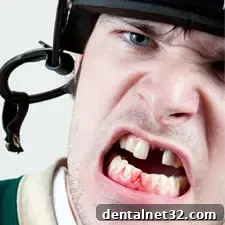
What to Do When a Tooth Is Knocked Out: An Emergency Guide
Experiencing a knocked-out tooth can be a shocking and stressful event. Whether from a sports injury, an unexpected fall, or an accident, seeing a tooth on the ground is cause for alarm. However, quick and correct action can make the difference between losing the tooth permanently and saving your natural smile. This is a true dental emergency, and knowing the right steps to take in the first few minutes is absolutely critical.
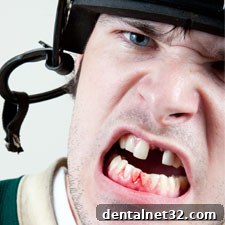
A tooth that has been completely dislodged from its socket is known as an “avulsed tooth.” Millions of teeth are knocked out each year, with sports-related incidents being a leading cause. The good news is that a permanent tooth can often be successfully reimplanted if you handle the situation properly. The most crucial factor is time. The best chance of saving the tooth is by getting it back into its socket within 30 to 60 minutes of the incident. This guide provides a clear, step-by-step plan to follow in this high-stakes situation.
Immediate Steps to Save a Knocked-Out Tooth
If you or someone you’re with has a tooth knocked out, the first rule is to stay as calm as possible. Panic can lead to mistakes. Follow these essential steps methodically to give the tooth the highest probability of survival.
Step 1: Locate the Tooth and Handle It with Care
First, find the tooth. Once you have it, it is imperative that you handle it correctly. Pick up the tooth by the crown—the white, visible part that you chew with. Do not, under any circumstances, touch the root. The root surface is covered in delicate periodontal ligament cells that are vital for reattachment. Touching, wiping, or scrubbing the root can easily damage or remove these cells, drastically reducing the chances of successful reimplantation.
Step 2: Gently Clean the Tooth if Necessary
If the tooth is visibly dirty, you will need to rinse it gently. Do not use soap, chemicals, or scrub it. The goal is only to remove debris, not to sterilize it. The best solution for rinsing is a pH-balanced solution called Hank’s Balanced Salt Solution, which is often found in first-aid kits at sporting events. If that isn’t available, your next best options are cold milk, a sterile saline solution, or even the injured person’s own saliva (by having them spit into a container). If none of these are available, a very brief and gentle rinse with cold running water can be used as a last resort. Remember, this should only be for a few seconds—just enough to dislodge any dirt.
Warning: Never use tap water for an extended period or store the tooth in it. The osmotic pressure of plain water can cause the essential cells on the root surface to swell and burst, rendering them useless for reattachment.
Step 3: Attempt to Reinsert the Tooth into the Socket
The ideal place for a knocked-out tooth is back in its natural socket. This environment keeps the root protected and moist, giving it the best chance to reconnect with the blood vessels and ligaments in the jaw. After rinsing, if possible, gently guide the tooth back into the empty socket. Align it correctly with the other teeth. Once it’s in place, have the person bite down gently on a clean piece of gauze, a wet tea bag, or a handkerchief to hold it steady. This pressure helps keep it secure on the way to the dentist.
Step 4: Keep the Tooth Moist if Reinsertion Isn’t Possible
Sometimes, it’s not possible to put the tooth back in the socket due to pain, swelling, or other damage. In this case, the absolute priority is to keep the tooth moist. A dry tooth is a dead tooth. Place the tooth in a small, clean container and submerge it in a suitable liquid. The best options are the same as for rinsing:
- Hank’s Balanced Salt Solution
- Cold milk
- A container of the person’s own saliva
- A sterile saline solution
Do not wrap the tooth in a tissue or cloth, as this will wick away moisture and damage the root cells. And again, do not store it in plain water.
Step 5: See an Emergency Dentist Immediately
Whether you have successfully reinserted the tooth or are transporting it in a solution, you must get to a dentist or an emergency room immediately. Call ahead to let them know you are on your way with an avulsed tooth. Remember, the 30-60 minute window is your target. The longer the tooth is out of the mouth, the lower the chance of survival. A dentist will be able to properly clean the area, secure the tooth with a splint, and assess for any other damage to the jaw, gums, or surrounding teeth.
Important Considerations for a Knocked-Out Tooth
While the immediate steps are universal, other factors can influence the treatment plan and long-term outcome.
What About a Knocked-Out Baby Tooth?
If a primary (baby) tooth is knocked out, dentists will typically not attempt to reimplant it. Forcing a baby tooth back into the socket can cause significant damage to the developing permanent tooth underneath the gums. However, you should still take your child to the dentist promptly. The dentist will need to examine the area to ensure no fragments of the tooth remain and to determine if a space maintainer is needed to prevent other teeth from shifting into the gap.
Will I Need a Root Canal?
In most cases involving a permanent tooth, a root canal will be necessary. When a tooth is avulsed, the nerve and blood supply at the tip of the root is severed. While the tooth may reattach to the bone, the internal pulp tissue will die. A root canal procedure is needed to remove this dying tissue, clean the inside of the tooth, and prevent a painful infection and abscess from forming. This is typically done a week or two after the initial emergency treatment.
How to Prevent Dental Injuries and Avulsed Teeth
While accidents happen, many dental injuries are preventable. Taking a few proactive measures can help protect your smile from trauma.
- Wear a Custom-Fitted Mouthguard: This is the single most effective piece of protective equipment for your teeth. If you or your children participate in contact sports like football, hockey, or martial arts, or even sports with a high risk of falls like basketball, skateboarding, or gymnastics, a mouthguard is essential.
- Avoid Using Your Teeth as Tools: Your teeth are designed for chewing food, not for opening bottles, tearing plastic packages, or holding objects. Using them for these tasks can easily lead to chips, cracks, or even a dislodged tooth.
- Be Cautious with Hard Foods: Biting down on ice cubes, hard candies, or un-popped popcorn kernels can exert extreme pressure on your teeth, leading to fractures or other damage.
- Maintain Good Oral Health: Regular dental check-ups ensure your teeth are strong and healthy. A tooth weakened by decay is more susceptible to breaking or being knocked out from a less severe impact.
Your Emergency Action Plan: Be Prepared
A knocked-out tooth is a time-sensitive emergency that requires a clear head and swift action. By remembering to handle the tooth by its crown, keep it moist, and get to a dentist immediately, you significantly increase the odds of saving it. Take a moment right now to add your dentist’s office and emergency contact number to your phone. In the stress of an accident, having that information readily available can save precious, critical moments.