
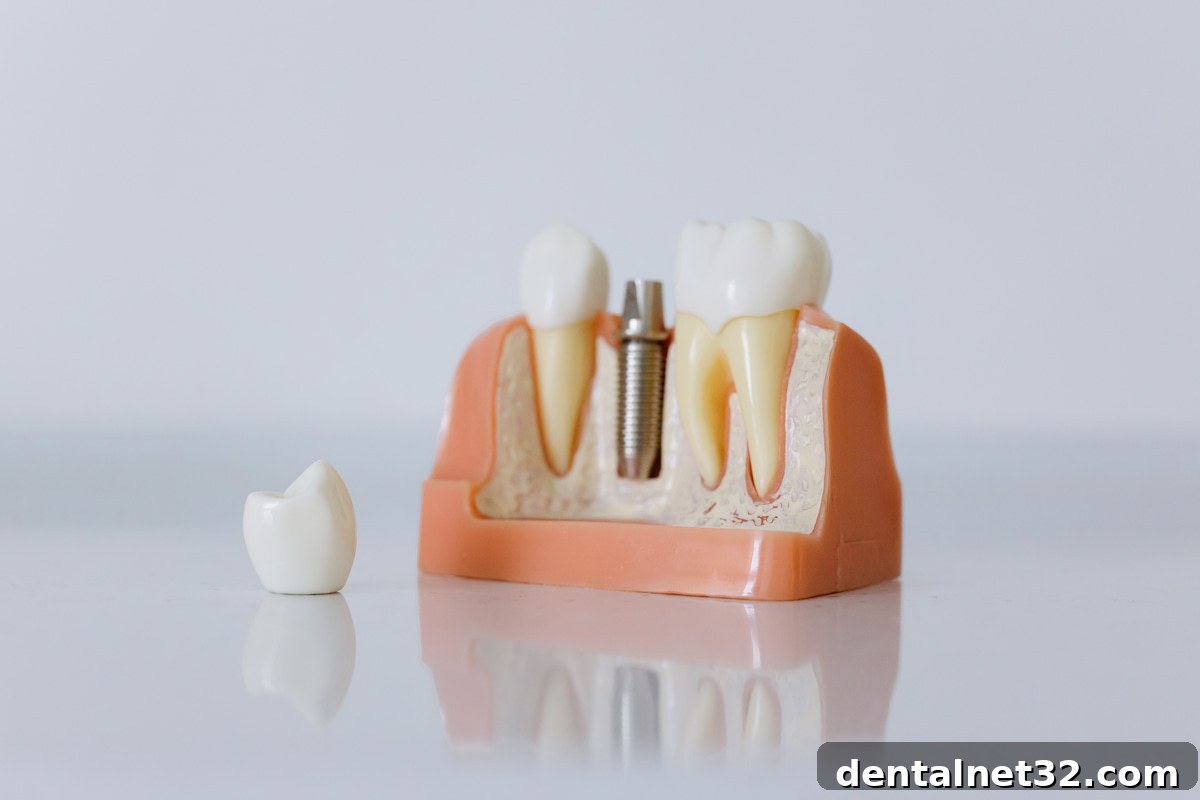
Restorative dentistry is a vital field of dental care dedicated to repairing and replacing teeth to restore your mouth’s optimal health and function. At its core, any procedure that aims to fix damaged oral structures falls under the umbrella of “restorative” care. From minor repairs to major reconstructions, these treatments are essential for maintaining a healthy, functional smile. Common restorative procedures include dental fillings, crowns, bridges, implants, and dentures. In this comprehensive guide, we’ll explore when you might need restorative dentistry, how it differs from cosmetic dentistry, the various types of treatments available, and why prioritizing these procedures is crucial for your overall well-being.
When is Restorative Dentistry Necessary?
You may need restorative dental care if you are experiencing issues that compromise the normal function of your mouth. These problems often manifest as difficulty biting, chewing, or even speaking clearly. If you have missing teeth, damaged teeth, or significant decay, your oral mechanics can be severely affected. Consider seeking a consultation for restorative dentistry if you are facing any of the following situations:
- Missing Teeth: A tooth that has fallen out or been extracted leaves a gap that can cause surrounding teeth to shift, leading to bite problems and jaw issues.
- Tooth Decay: Cavities, if left untreated, can grow larger and weaken the tooth structure, eventually leading to pain, infection, or tooth loss.
- Damaged Teeth: Teeth that are cracked, chipped, or broken from trauma or wear and tear need to be repaired to prevent further damage and restore their strength.
- Worn-Down Teeth: Years of grinding (bruxism) or an improper bite can wear down enamel, leaving teeth short, weak, and sensitive.
- Infected Teeth: When decay reaches the inner pulp of a tooth, it can cause a painful infection that requires treatment like a root canal to save the tooth.
Essentially, any condition that prevents you from eating comfortably, speaking confidently, and maintaining proper oral hygiene is a clear signal that a restorative dental procedure is needed to bring your mouth back to a state of health and function.
Restorative vs. Cosmetic Dentistry: Understanding the Key Difference
While there can be some overlap, the primary distinction between restorative and cosmetic dentistry lies in their main objectives. Restorative dentistry is primarily focused on necessity—it aims to improve oral health and restore essential functions like chewing and speaking. Cosmetic dentistry, on the other hand, is elective and focuses on enhancing the aesthetic appearance of your smile.
Think of it this way: a restorative procedure, like a filling for a cavity, is medically necessary to stop decay and save the tooth. A cosmetic procedure, like teeth whitening, is performed to improve the color and look of the teeth but isn’t required for oral health. However, the line often blurs. Many modern restorative treatments are designed with aesthetics in mind. For example, a porcelain crown not only strengthens a damaged tooth (a restorative function) but is also color-matched to your other teeth to create a seamless, natural look (a cosmetic benefit). This blend of function and beauty is often referred to as aesthetic restorative dentistry.
Exploring the Different Types of Restorative Dentistry
Every patient’s needs are unique, but several common procedures form the foundation of restorative dental care. Your dentist will recommend the best treatment plan based on the specific nature and severity of your dental issue.
Dental Fillings
Dental fillings are the most common restorative treatment. When a tooth develops a cavity, a filling is used to replace the portion of the tooth that has been destroyed by decay. The procedure involves the dentist removing the decayed material, cleaning the affected area, and then filling the cleaned-out cavity with a special material. This not only restores the tooth’s shape but also prevents the decay from spreading.
Fillings can be made from various materials, each with its own advantages:
- Composite Resin: This tooth-colored material is a popular choice for its aesthetic appeal, as it can be matched to the shade of your natural teeth. It bonds directly to the tooth, providing good support.
- Porcelain (Ceramic): These fillings, often called inlays or onlays, are highly durable and stain-resistant. They offer an excellent, natural-looking restoration.
- Amalgam (Silver): Known for their strength and longevity, amalgam fillings have been used for decades and are very effective, especially for molars in the back of the mouth.
Dental Crowns
A dental crown is a custom-made, tooth-shaped “cap” that is placed over a damaged or weakened tooth. It encases the entire visible portion of the tooth above the gum line, restoring its shape, size, strength, and appearance. Crowns are often recommended for teeth that are severely decayed, broken, cracked, or have undergone a root canal. They act as a protective shield, preventing the tooth from fracturing further. Crowns are typically made from porcelain, ceramic, or metal alloys and can last for many years with proper care.
Inlays and Onlays
Inlays and onlays are sometimes called “indirect fillings” because they are fabricated in a dental lab and then bonded to the tooth by your dentist. They are a more conservative option than a full crown when the damage is too extensive for a simple filling but not severe enough to require a complete cap. An inlay fits within the cusps (the pointed bumps on the chewing surface) of a tooth, while an onlay is larger and covers one or more of these cusps. They are typically made from durable porcelain or composite resin.
Dental Bridges
A dental bridge is a fixed restoration used to replace one or more missing teeth. As the name suggests, it “bridges the gap” left by the missing tooth. A traditional bridge consists of one or more artificial teeth, known as pontics, which are held in place by dental crowns secured to the natural teeth on either side of the gap (called abutment teeth). Bridges are crucial for restoring your ability to chew properly, maintaining the shape of your face, and preventing the remaining teeth from drifting out of position.
Dental Implants
Considered the gold standard for tooth replacement, a dental implant is a small, screw-like titanium post that is surgically inserted into the jawbone to act as an artificial tooth root. Over several months, the implant fuses with the bone in a process called osseointegration, creating an incredibly strong and stable foundation. Once integrated, an abutment is attached to the implant, and a custom-made crown is placed on top, resulting in a replacement tooth that looks, feels, and functions just like a natural one. Implants are a long-term solution that helps preserve jawbone density and does not require altering adjacent teeth.
Dentures
Dentures are removable appliances that replace missing teeth and surrounding tissues. They are a time-tested and effective solution for extensive tooth loss. There are two main types: full dentures, which replace all the teeth in an upper or lower jaw, and partial dentures, which replace a few missing teeth and are held in place by clasps that attach to the remaining natural teeth. Modern dentures are custom-crafted to fit snugly and comfortably, restoring your ability to eat and speak with confidence. For added stability, dentures can also be supported by dental implants.
Root Canal Therapy
When decay or a crack allows bacteria to penetrate the innermost part of a tooth—the pulp—it can cause a severe infection and inflammation, leading to intense pain. Root canal therapy is a procedure designed to save the tooth in this situation. During the treatment, the dentist removes the infected pulp, nerves, and blood vessels, thoroughly cleans and disinfects the inside of the tooth, and then fills and seals the space. Contrary to popular belief, modern root canal therapy is a relatively comfortable procedure that relieves pain and allows you to keep your natural tooth, which is always the preferred outcome.
Why Restorative Dentistry is Critically Important
Investing in restorative dentistry is an investment in your overall health for several critical reasons:
- Preserves Natural Teeth and Functionality: Restorative treatments like fillings and crowns can save a damaged tooth from extraction. Replacing missing teeth with bridges or implants is essential for chewing food properly, which is the first step in digestion, and for speaking clearly.
- Prevents Further Dental Problems: A single missing tooth can trigger a chain reaction. Adjacent teeth may shift into the gap, creating a misaligned bite that can lead to jaw pain (TMJ disorders) and excessive wear on other teeth. Filling a cavity stops decay in its tracks, preventing it from leading to a painful infection or tooth loss.
- Maintains Jawbone and Facial Structure: When a tooth is lost, the jawbone in that area begins to deteriorate due to lack of stimulation. Dental implants are unique because they mimic a tooth root, stimulating the bone and preventing this loss, which helps maintain your facial structure.
- Supports Overall Health: Your oral health is deeply connected to your systemic health. Chronic oral infections and inflammation, such as those from untreated gum disease or infected teeth, have been linked to serious health issues, including heart disease, diabetes, and stroke. Restoring your oral health helps reduce this risk.
Ultimately, restorative dentistry is about more than just fixing teeth. It’s about restoring your quality of life, your confidence, and your ability to enjoy the simple pleasures of eating, speaking, and smiling without pain or embarrassment. If you are experiencing any dental issues, consulting with a dentist about a restorative treatment plan is a proactive step toward a healthier future.