
Do you often wake up with a sore, tender jaw or sensitive teeth? If so, you might be one of the millions of people who grind their teeth, a condition known as bruxism. Many individuals are unaware they have this habit, especially since the most common form, sleep bruxism, occurs unconsciously during the night. The other form, awake bruxism, involves clenching or grinding during the day, often as a response to stress or concentration.
Living with the persistent pain and dental damage caused by bruxism is not something you have to endure. This condition, while common, can lead to significant oral health complications if left untreated. Fortunately, effective treatments are available. Understanding the signs, causes, and solutions is the first step toward finding relief and protecting your smile. This comprehensive guide will explore everything you need to know about how to stop grinding your teeth and restore comfort to your daily life.
Recognizing the Telltale Signs of Bruxism
Because teeth grinding can happen while you’re asleep or as a subconscious habit during the day, many people don’t realize they’re doing it until symptoms become noticeable. Recognizing these signs early is crucial for preventing long-term damage. The constant pressure and friction from grinding can affect your teeth, jaw muscles, and overall well-being.
If you suspect you might be grinding your teeth, look for a combination of these common indicators. While one symptom alone might not be conclusive, experiencing several of them is a strong signal that you should consult a dental professional.
Common Symptoms and Indicators of Teeth Grinding
- Audible Grinding Sounds at Night: Often, a sleeping partner is the first to notice the loud, grating sounds of teeth grinding, which can be disruptive to their sleep as well.
- Damaged Teeth: Unexplained chips, fractures, or a general flattening of the biting surfaces of your teeth are hallmark signs of bruxism. Over time, teeth may become loose in their sockets.
- Worn Tooth Enamel: The protective outer layer of your teeth, the enamel, can be worn away by grinding. This exposes the deeper, more sensitive layer of dentin, leading to other complications.
- Jaw Pain and Muscle Tightness: Waking up with a stiff, tired, or locked jaw is a very common complaint. The muscles used for chewing become overworked, leading to chronic pain and fatigue.
- Radiating Pain: The discomfort isn’t always confined to the jaw. It can manifest as dull headaches originating in the temples, earache-like pain, or general facial and neck soreness.
- Increased Tooth Sensitivity: As enamel wears down, your teeth become more sensitive to hot, cold, sweet, or acidic foods and drinks.
- Damage to Inner Cheeks: You might notice indentations or damaged tissue on the inside of your cheeks from involuntary chewing motions during sleep.
- Disrupted Sleep Patterns: Even if you don’t fully wake up, the physical exertion of grinding can disrupt your sleep cycle, leaving you feeling unrefreshed and fatigued in the morning.
If you’re experiencing persistent jaw pain, morning headaches, or have noticed changes in the appearance of your teeth, it’s a clear signal to seek professional advice. Addressing these symptoms promptly can protect your overall dental health and prevent more severe issues down the road.
What Causes Teeth Grinding? Unpacking the Triggers
The exact cause of bruxism isn’t always clear, but experts agree that it’s typically a combination of physical, psychological, and genetic factors. Understanding the potential triggers behind your teeth grinding is essential for finding the most effective treatment. The reasons can vary significantly from person to person.
Psychological and Emotional Factors
For many adults, the primary driver of bruxism is emotional. Stress, anxiety, frustration, and anger are powerful triggers. When you experience these emotions, your body may enter a “fight or flight” state, causing subconscious muscle tension, including in the jaw. Personality types that are more aggressive, competitive, or hyperactive may also have a higher predisposition to grinding.
Physical and Lifestyle Factors
- Misaligned Teeth (Malocclusion): An improper bite, where your upper and lower teeth don’t fit together correctly, can contribute to grinding and clenching.
- Sleep Disorders: Bruxism is often linked with other sleep-related issues, most notably obstructive sleep apnea. The grinding can be part of an arousal response when breathing is interrupted.
- Medication Side Effects: Certain medications, particularly some antidepressants (SSRIs) and antipsychotics, can list bruxism as a potential side effect.
- Lifestyle Habits: The use of stimulants like caffeine and nicotine, as well as alcohol consumption, can increase muscle activity and disrupt sleep, making teeth grinding more likely.
Genetic and Medical Predispositions
Bruxism often runs in families, suggesting a genetic link. If your parents or siblings grind their teeth, you have a higher chance of developing the habit as well. Additionally, certain medical and neurological conditions, such as Parkinson’s disease, dementia, and ADHD, are associated with an increased risk of bruxism.
Effective Strategies to Stop Grinding Your Teeth and Find Relief
Once you and your dentist have identified that you have bruxism, the focus shifts to management and prevention. The goal is two-fold: to protect your teeth from further damage and to alleviate the associated pain and discomfort. A combination of professional dental solutions and at-home lifestyle adjustments often yields the best results.
Custom Night Guards: Your First Line of Defense
One of the most common and effective treatments for sleep bruxism is a custom-fitted mouthguard or occlusal splint. While over-the-counter “boil-and-bite” options exist, a custom guard made by your family dentist offers superior protection and comfort. It’s crafted from durable, high-quality materials based on an exact impression of your teeth. This ensures a perfect fit that stays in place throughout the night, acting as a protective barrier between your upper and lower teeth. This not only prevents wear and tear but can also help reprogram your jaw muscles to relax.
Lifestyle Adjustments and Stress Reduction
Since stress and anxiety are major contributors to bruxism, incorporating relaxation techniques into your daily routine can be incredibly beneficial. Consider activities that help calm your mind and body, such as:
- Meditation and Deep Breathing: Practicing mindfulness can help you become more aware of tension in your body, allowing you to consciously relax your jaw muscles.
- Yoga or Gentle Exercise: Physical activity is a proven stress reliever. It can help release pent-up tension and improve sleep quality.
- Improving Sleep Hygiene: Create a relaxing bedtime routine. Avoid screens, caffeine, and alcohol before bed to promote deeper, more restful sleep.
Building Awareness and Changing Habits
For awake bruxism, awareness is key. Throughout the day, make a conscious effort to check your jaw posture. Your teeth should be slightly apart, with your tongue resting on the roof of your mouth. If you notice you’re clenching, take a moment to breathe deeply and relax your facial muscles. Setting a reminder on your phone or computer can help you build this new, healthier habit.
Physical Therapy and Jaw Exercises
Simple exercises and massages can help alleviate muscle soreness and improve jaw mobility. Gently massage the muscles around your jaw, neck, and shoulders. You can also perform gentle stretching exercises, such as opening your mouth as wide as is comfortable and holding for a few seconds, then relaxing. A physical therapist specializing in temporomandibular disorders (TMD) can provide a targeted regimen of exercises.
Advanced Dental and Medical Treatments
In cases where other methods are not sufficient, your dentist might recommend more advanced interventions. Reductive Coronoplasty involves carefully reshaping the biting surfaces of the teeth to improve alignment, which can be effective if malocclusion is a primary cause. In some severe cases, botulinum toxin (Botox) injections may be used to temporarily weaken the jaw muscles, reducing the force of the grinding and providing significant pain relief.
Why You Shouldn’t Ignore Bruxism: When to See a Dentist
While teeth grinding might seem like a minor annoyance, ignoring it can lead to serious and costly dental problems. If you notice any of the symptoms discussed, from jaw pain to chipped teeth, it’s crucial to make an appointment with your dentist. A professional evaluation is the only way to get an accurate diagnosis and a personalized treatment plan.
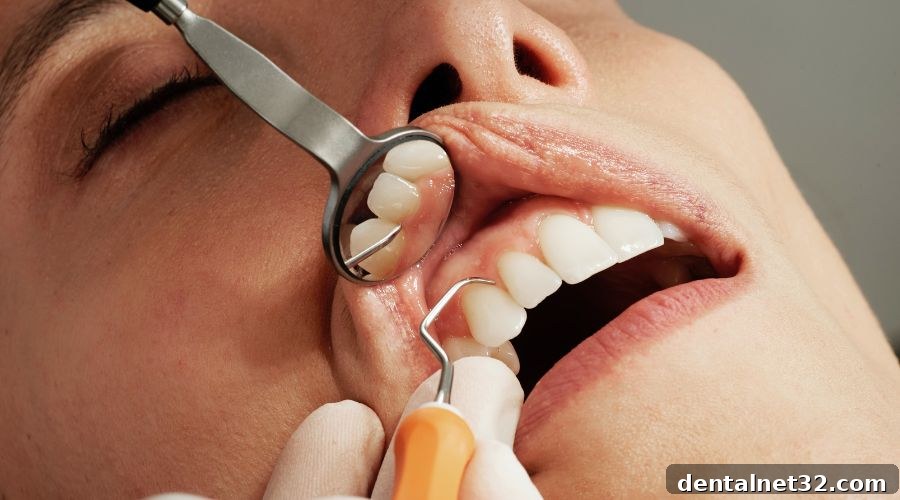
During a consultation, your dentist will examine your teeth for signs of wear, check for tenderness in your jaw muscles, and discuss your symptoms and lifestyle. This comprehensive assessment will help determine the severity of your bruxism and its likely causes. From there, they can recommend the most appropriate solution, whether it’s a custom night guard, behavioral therapy, or another intervention. Taking action now is an investment in your long-term oral health and quality of life.