
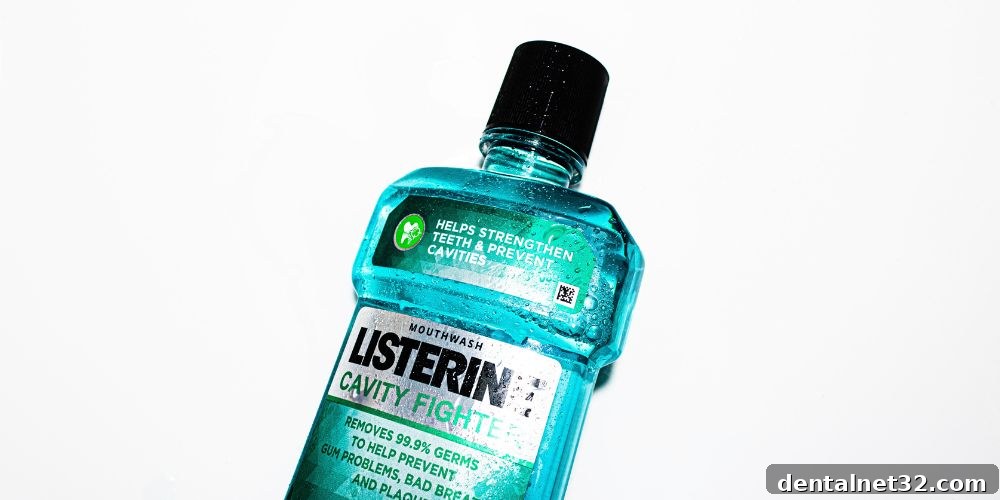
Is your daily swish of mouthwash a crucial step towards perfect oral health, or could it be doing more harm than good? Many of us grab a bottle of mouthwash for a quick burst of freshness or as a final step in our cleaning routine. While it can be an excellent tool for combating bad breath and fighting bacteria, not all mouthwashes are created equal, and their effects aren’t always positive. This comprehensive guide will explore the detailed pros and cons of incorporating mouthwash into your daily oral hygiene regimen, helping you make an informed decision for a healthier smile.
What Exactly is in Your Mouthwash?
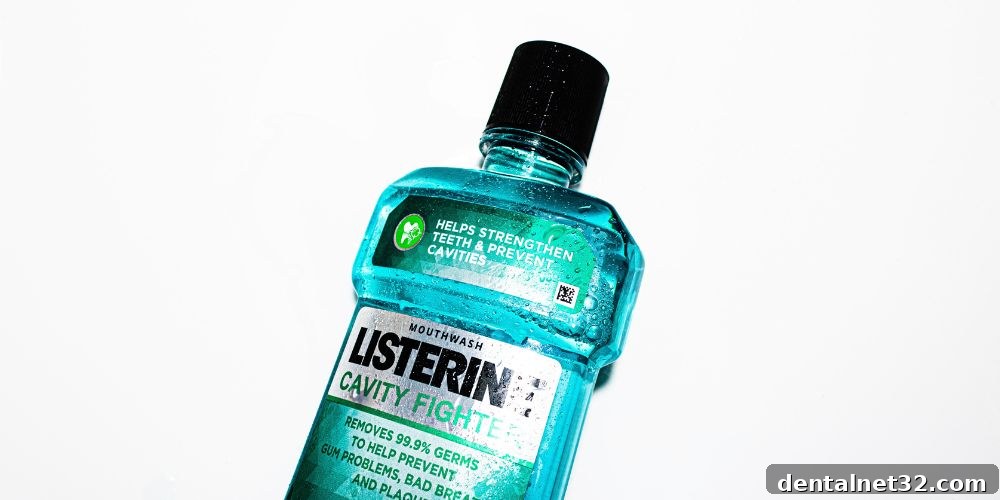
Mouthwash, also known as an oral rinse, is a liquid solution designed to enhance your oral hygiene. It’s typically used by swishing it around the mouth and gargling to reach the back of the throat. But what’s inside that colorful liquid? Mouthwashes can be broadly categorized into two types: cosmetic and therapeutic. Cosmetic rinses simply offer a temporary fix for bad breath, while therapeutic rinses contain active ingredients designed to address specific oral health issues.
Common active ingredients in therapeutic mouthwashes include:
- Fluoride: This mineral is a powerhouse for fighting tooth decay. It strengthens tooth enamel through a process called remineralization, making it more resistant to acid attacks from plaque bacteria.
- Antiseptic Agents: Ingredients like chlorhexidine, cetylpyridinium chloride (CPC), and essential oils (eucalyptol, menthol, thymol) are included for their powerful antimicrobial properties. They work to kill bacteria, reduce plaque buildup, and prevent gingivitis (the earliest stage of gum disease).
- Chlorine Dioxide or Zinc Salts: These compounds are specifically formulated to neutralize volatile sulfur compounds (VSCs), which are the primary culprits behind persistent bad breath (halitosis).
- Alcohol: Often used as a carrier for other active ingredients and for its own germ-killing ability. However, its presence is controversial due to potential side effects like dry mouth.
Understanding these ingredients is the first step in choosing a mouthwash that aligns with your specific oral health goals.
The Benefits: The Pros of Using Mouthwash
When used correctly, a quality therapeutic mouthwash can be a valuable addition to your oral care routine, offering several significant benefits.
1. Effectively Fights Bad Breath (Halitosis)
This is the most common reason people reach for mouthwash. While cosmetic rinses offer a temporary minty freshness, therapeutic mouthwashes tackle the root cause of bad breath. They contain antiseptic agents that kill the odor-producing bacteria on your tongue, teeth, and gums. Ingredients like zinc salts and chlorine dioxide directly neutralize the smelly sulfur compounds these bacteria produce, providing longer-lasting relief from halitosis.
2. Reduces Plaque and Prevents Gingivitis
Brushing and flossing are essential for removing plaque, that sticky biofilm of bacteria that constantly forms on your teeth. However, they can’t always reach every nook and cranny. An antiseptic mouthwash can act as a powerful supplement, reaching between teeth and along the gumline to kill plaque-causing bacteria. By controlling plaque, mouthwash helps prevent gingivitis, which is characterized by red, swollen, and bleeding gums. Left untreated, gingivitis can progress to more severe periodontal disease.
3. Strengthens Enamel and Fights Cavities
A mouthwash containing fluoride provides an extra layer of defense against cavities. Every day, your teeth are under attack from acids produced by bacteria and sugary foods. Fluoride helps to repair and remineralize weakened tooth enamel, making your teeth more resilient to decay. Using a fluoride rinse is particularly beneficial for individuals who are at a higher risk for cavities.
4. Soothes Canker Sores and Minor Irritations
Canker sores, which are small ulcers inside the mouth, can be quite painful. While mouthwash won’t cure them instantly, it can promote healing. By rinsing the area, you can reduce the amount of bacteria around the sore that might cause further irritation or infection. This creates a cleaner environment that allows the sore to heal more comfortably. For this purpose, an alcohol-free mouthwash is highly recommended to avoid a painful burning sensation.
5. Assists in Post-Surgical Healing
Following a dental procedure like a tooth extraction or gum surgery, your dentist may advise against brushing the affected area for a period of time to protect sutures or a developing blood clot. In these cases, a prescribed medicated mouthwash (often containing chlorhexidine) acts as a “chemical toothbrush.” It keeps the area clean, controls bacteria, and helps prevent post-operative infections, ensuring a smoother recovery.
The Drawbacks: The Cons and Risks of Mouthwash
Despite its benefits, mouthwash is not without its potential downsides. It’s important to be aware of these risks to use it safely and effectively.
1. Can Disrupt the Natural Oral Microbiome
Your mouth is home to a complex ecosystem of billions of bacteria, both good and bad. Aggressive, broad-spectrum antiseptic mouthwashes can be indiscriminate, killing off the beneficial bacteria along with the harmful ones. Overuse can disrupt this delicate balance, potentially leading to an overgrowth of harmful microbes and increasing the risk of issues like oral thrush or even rebound bad breath.
2. High Alcohol Content Can Cause Dry Mouth
Many popular mouthwashes contain a high concentration of alcohol, sometimes over 25%. While effective at killing germs, alcohol has a drying effect on the soft tissues of the mouth. This can lead to or worsen a condition called xerostomia, or dry mouth. Saliva is your body’s best natural defense; it neutralizes acid, washes away food particles, and fights bacteria. A chronic lack of saliva can ironically increase your risk of cavities, gum disease, and bad breath—the very problems you’re trying to solve.
3. May Mask Serious Underlying Dental Issues
If you have persistent bad breath or bleeding gums, using mouthwash can feel like a solution because it temporarily masks the symptoms. However, this can be dangerous. These symptoms are often signs of an underlying problem, such as advanced gum disease, a deep cavity, or an abscess. Relying on mouthwash for a fresh feeling might cause you to delay seeking professional dental care, allowing the actual problem to worsen over time.
4. Can Cause Tooth Staining
Certain powerful antiseptic ingredients, most notably chlorhexidine gluconate (found in prescription rinses) and sometimes cetylpyridinium chloride (CPC), can cause extrinsic (surface) staining on the teeth. This occurs when the ingredient reacts with food additives common in tea, coffee, and red wine. While this staining is not permanent and can be removed during a professional dental cleaning, it can be a significant cosmetic concern for users.
5. Does Not Replace Brushing and Flossing
Perhaps the biggest misconception is that mouthwash can be a substitute for mechanical cleaning. It cannot. Mouthwash is a rinse that kills bacteria, but it cannot physically remove the plaque biofilm or food particles stuck between your teeth. Brushing and flossing are non-negotiable for proper oral hygiene. Viewing mouthwash as anything more than a supplement can lead to a false sense of security and neglect of fundamental oral care practices.
How to Choose and Use Mouthwash Effectively
To maximize the benefits and minimize the risks, follow these guidelines:
- Consult Your Dentist: Before starting a new mouthwash, discuss your oral health needs with your dentist. They can recommend a product with the right active ingredients for you.
- Choose Alcohol-Free: For most people, an alcohol-free mouthwash is the safest and most comfortable option, providing the benefits without the risk of dry mouth and irritation.
- Time It Right: Rinsing with mouthwash immediately after brushing can wash away the concentrated fluoride from your toothpaste. For best results, use mouthwash at a different time of day, such as after lunch, or wait at least 30 minutes after brushing.
- Follow Instructions: Use the recommended amount (usually marked on the cap) and swish for the specified time, typically 30-60 seconds, to ensure the active ingredients have time to work. Never swallow mouthwash.
Conclusion: A Valuable Tool, Not a Magic Cure
Mouthwash can be a highly effective tool in the fight for a healthy mouth. It can freshen your breath, reduce plaque, fight gingivitis, and help prevent cavities. However, it is not a cure-all and should never replace the foundational habits of brushing twice a day and flossing daily. By understanding the pros and cons, choosing the right product for your needs—preferably an alcohol-free therapeutic rinse—and using it as a supplement to your core routine, you can make mouthwash a safe and beneficial part of your overall oral health strategy.