Is Your Mouth Prepared for Hurricane Season?

Hurricane season runs from June 1 through November 30. Along with stocking water, batteries, and shelf-stable food, it’s important to prepare for an often-overlooked concern in emergencies: dental health.
Severe weather can disrupt routines quickly. You might lose power, evacuate, or be unable to reach your regular dental providers for days or longer. A little preparation now can save stress, time, and expense later.
Here are three practical tips to help you protect your teeth during a weather emergency.
Tip #1: Keep copies of your dental (and medical) records handy
After a major hurricane, local dental offices may close temporarily or, in rare cases, remain closed until repairs are completed. If you require care during or after an emergency, having your records available makes a real difference.
Keep digital and/or printed copies of important items such as:
- Recent X-rays
- Current treatment plans
- A list of medications and allergies
- Notes about previous procedures, sensitivity, or recurring issues
- Insurance information, if applicable
If you need to see a different provider unexpectedly, these records can reduce delays, unnecessary tests, and extra costs when time is critical.
Tip #2: Add dental essentials to your emergency kit or “go bag”
Dental supplies are easy to forget until you need them. Adding a few items to your emergency kit can help you maintain basic oral care when conditions are difficult.
Consider including:
- Travel-sized toothpaste and mouthwash — useful if you evacuate or have limited sink access
- Extra manual toothbrushes, even if you normally use an electric model
- Portable power banks for charging electric toothbrushes and other small devices
- A simple rinse tool: a plastic water bottle with a couple of holes in the cap can serve as a makeshift rinsing aid when water is scarce
Maintaining basic oral hygiene during stressful times lowers the chance of cavities, gum inflammation, and discomfort.
Tip #3: Protect your teeth
During and after a disaster, it can take time before you can see a dental professional. Prevention is therefore especially important.
Avoid the following to reduce risk of damage or pain:
- Hard foods that can crack teeth, such as ice, hard candy, or unpopped popcorn kernels
- Using your teeth as tools for opening packages, tearing tape, or twisting caps
- Making risky choices when tired, stressed, or rushing, since accidents are more likely then
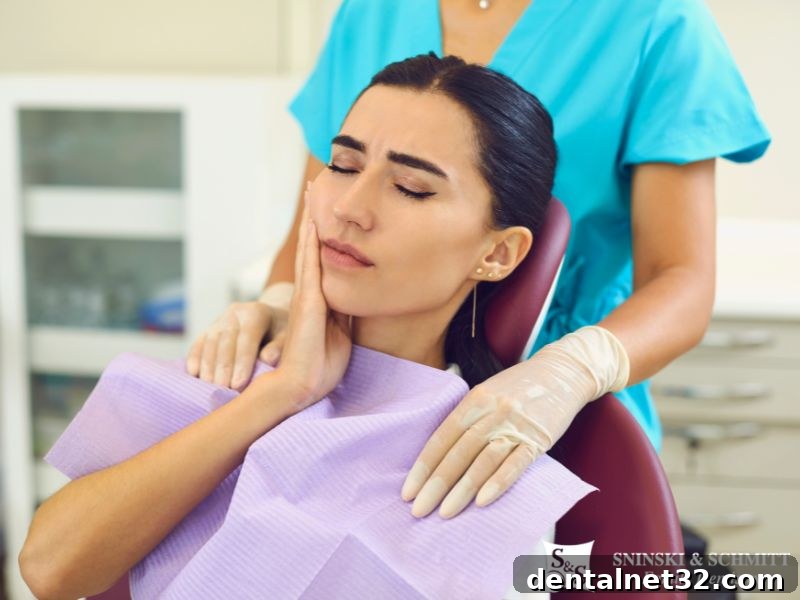
A chipped filling or cracked tooth that might be minor under normal circumstances can become painful and harder to treat when dental care isn’t immediately available. Extra caution helps prevent avoidable problems.
Bonus Tip: When things return to normal, schedule your next checkup with Coast Dental
After a storm, people commonly notice new sensitivity, a cracked filling, jaw soreness from stress clenching, or that they missed routine care. If anything feels off or you’re due for a visit, seek professional care.
Staying prepared protects more than your home — it protects your health and your smile. Stay safe this hurricane season and remember to include dental care in your emergency planning.
This article is for general information and does not replace an examination by a licensed dentist.