
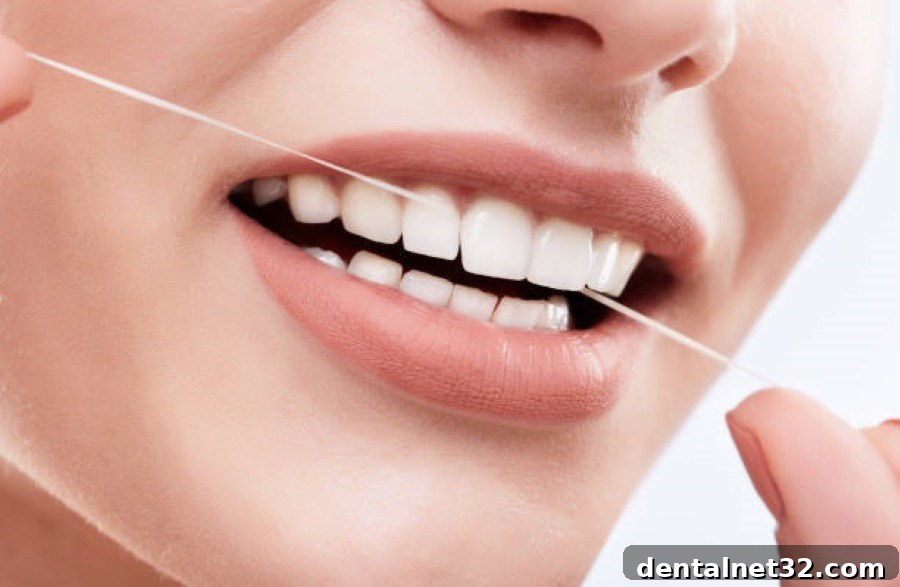
A radiant smile is more than just an aesthetic feature; it’s a reflection of your overall health and well-being. While most of us are diligent about daily brushing and flossing, many seemingly harmless habits can silently sabotage our efforts, leading to long-term dental problems. Protecting your smile requires a conscious effort to understand and eliminate these detrimental behaviors. At Locust Family Dentistry, we are committed to empowering our patients with the knowledge they need to achieve and maintain optimal oral health. This comprehensive guide explores the top five bad habits you should avoid to ensure your teeth stay healthy and strong in Locust, NC.
The Crucial Link Between Daily Habits and Long-Term Oral Health
Your oral health is a dynamic system, influenced every day by what you eat, drink, and do. Habits that appear trivial can, over time, cause significant damage. They can wear down your protective tooth enamel, create an environment where harmful bacteria thrive, and put excessive physical stress on your teeth and jaw. The consequences can range from cavities and gum disease to cracked teeth and jaw pain. Our experienced dentists in Locust, Dr. Zeitouni and Dr. Maxhuni, emphasize that excellent dental care is a partnership between professional treatments and your at-home routines. Recognizing and rectifying these negative patterns is a powerful, proactive step toward preventing damage and enhancing your overall oral hygiene.
Top 5 Dental Habits to Break for a Healthier Smile
Many common behaviors can compromise your dental health without you even realizing it. Let’s delve into five of the most prevalent and damaging habits and discuss why it’s so important to leave them behind.
1. Neglecting Regular Dental Check-ups and Cleanings
One of the most significant mistakes you can make for your oral health is treating your dentist as someone to see only when you have a problem. Skipping routine checkups is a gamble that rarely pays off. These visits are not just about polishing your teeth; they are a cornerstone of preventive care.
During a professional cleaning, hygienists remove hardened plaque (tartar) that you cannot eliminate with a toothbrush at home. This buildup is a primary cause of gum disease. Furthermore, your biannual exam allows your dentist to screen for early signs of serious issues, including oral cancer, gum recession, and tiny cavities that haven’t yet caused pain. Catching these problems early often means simpler, less invasive, and less expensive treatments. Think of it like regular maintenance for your car—it’s far better to prevent a breakdown than to deal with a costly repair on the side of the road.
2. The Destructive Habit of Nail Biting
Nail biting is often a nervous habit, but its impact goes beyond your fingertips. This repetitive action puts consistent, unnatural pressure on your front teeth. Over time, this can lead to a host of problems. The act of biting your nails can cause teeth to chip, crack, or wear down prematurely. It can even cause your teeth to shift out of alignment, potentially requiring orthodontic correction.
Beyond the physical stress, your fingernails harbor a significant amount of bacteria and dirt. When you bite them, you transfer these germs directly into your mouth, increasing your risk of infections and illness. To break this habit, try identifying your triggers, such as stress or boredom, and finding a replacement behavior like using a stress ball. Applying a bitter-tasting, non-toxic nail polish can also serve as an effective deterrent.
3. Using Your Teeth as a Multi-Tool
Your teeth are designed for one primary function: chewing food. Yet, many people habitually use their teeth as a convenient, built-in tool. Ripping open a bag of chips, tearing off a clothing tag, uncapping a bottle, or holding pins between your teeth can have disastrous consequences. These actions subject your teeth to forces and angles they were never meant to withstand.
This misuse can easily lead to a chipped incisor, a cracked molar, or a damaged dental restoration like a filling or crown. A single moment of convenience can result in an emergency dental visit and a costly repair. Make a conscious effort to stop and find the proper tool for the job. Keep scissors, bottle openers, and other implements handy so you aren’t tempted to rely on your smile to do the heavy lifting.
4. A Diet High in Sugary and Acidic Foods and Drinks
What you eat and drink has a direct and profound impact on your teeth. A diet laden with sugary and acidic items creates a constant battle for your tooth enamel. Harmful bacteria in your mouth feed on sugar, producing acids that attack and demineralize your enamel, leading to cavities. Foods and drinks that are inherently acidic—such as soda, sports drinks, citrus fruits, and wine—also directly erode this protective outer layer, leaving your teeth vulnerable to decay and sensitivity.
To protect your teeth, limit your consumption of these items. When you do indulge, drink plenty of water afterward to rinse your mouth. Using a straw can help bypass your teeth when drinking acidic beverages. It’s also wise to wait at least 30 minutes after consuming something acidic before brushing, as brushing immediately can scrub away the temporarily softened enamel. Instead, focus on a balanced diet rich in calcium (dairy, leafy greens) and phosphorus (lean protein, nuts) to help strengthen and remineralize your teeth.
5. Grinding and Clenching Your Teeth (Bruxism)
Bruxism, the medical term for teeth grinding and clenching, is a common condition that often occurs subconsciously, especially during sleep or times of stress. The immense force generated by bruxism can cause severe damage over time. It can wear down the chewing surfaces of your teeth, leading to flatness, sensitivity, and an increased risk of fractures.
Symptoms of bruxism include waking up with a sore jaw, chronic dull headaches, or tooth pain. If you suspect you are grinding your teeth, it’s essential to consult your dentist. They can assess the wear on your teeth and may recommend a custom-fitted night guard. This device creates a protective barrier between your upper and lower teeth, absorbing the pressure and preventing further damage. Additionally, incorporating stress-management techniques like meditation, yoga, or exercise into your daily routine can help reduce the underlying cause of clenching and grinding.
Building a Proactive Strategy for Lifelong Dental Health
Breaking ingrained habits requires awareness, commitment, and a solid plan. The first step is acknowledging these harmful behaviors. Once you’re aware, you can begin to implement healthier alternatives. This goes hand-in-hand with reinforcing the fundamentals of a great oral hygiene routine: brushing for two minutes, twice a day with fluoride toothpaste; flossing daily to clean between teeth where your brush can’t reach; and considering an antiseptic mouthwash to reduce bacteria.
A proactive mindset is your greatest asset. Don’t wait for pain to signal a problem. By being vigilant about your daily habits and partnering with your dental team, you can prevent most issues before they begin. Regular dental visits are your opportunity to stay on track, ask questions, and receive personalized guidance to keep your smile in peak condition.
Partner with Us for Exceptional Dental Care in Locust, NC
Taking control of your oral health is one of the best investments you can make in your overall well-being. By understanding and avoiding these top 5 bad habits for healthy teeth in Locust, you can significantly reduce your risk of dental problems and preserve your natural smile for years to come. If you’re ready to address any concerns or simply want to establish a routine of excellent preventive care, our team at Locust Family Dentistry is here to help. Schedule your dental appointment with us today and let us be your partner in achieving a beautiful, healthy smile that lasts a lifetime.