
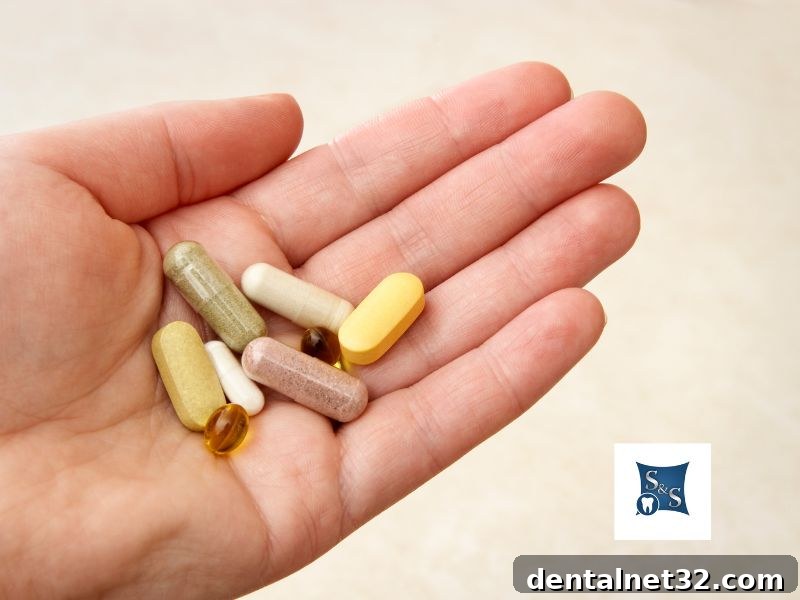
A radiant smile isn’t just about aesthetics; it’s a sign of excellent oral health. Your teeth and gums are essential for everything from enjoying a meal to communicating with confidence. While diligent brushing and flossing are cornerstones of dental care, the food you eat plays an equally critical role. A well-balanced diet, rich in specific vitamins and minerals, provides the fundamental building blocks for strong teeth, resilient gums, and a healthy mouth. This comprehensive guide will explore the most essential vitamins for your dental health, how they function, and the best food sources to incorporate into your daily meals.
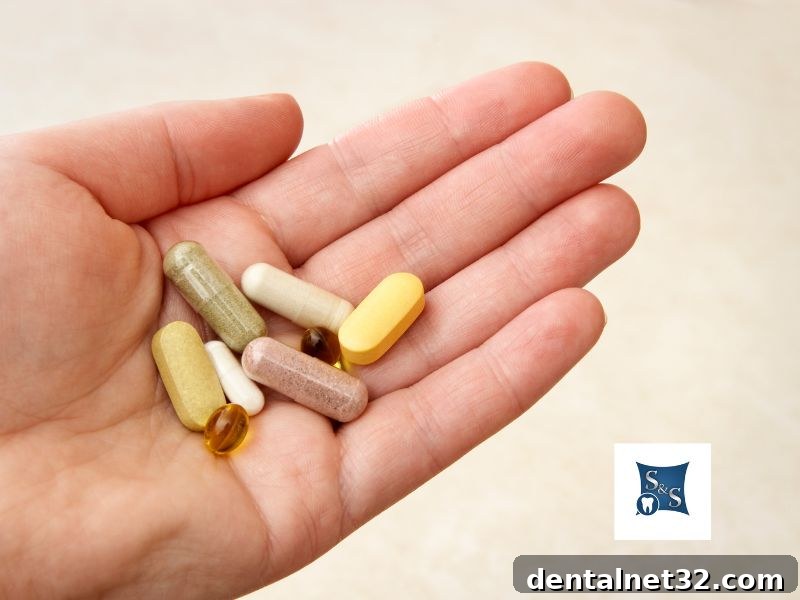
Nourishing your body from the inside out is the most effective strategy for long-term oral wellness. While supplements can bridge nutritional gaps, obtaining vitamins and minerals directly from whole foods is often the superior choice. Food provides these nutrients in a complex, synergistic package that your body can absorb and utilize more efficiently. Before considering supplements, focus on building a diet centered on the nutrient-dense foods detailed in this article.
We will delve into six essential vitamins and minerals that are paramount for maintaining healthy teeth and gums. We’ll also examine the direct and profound impact of your diet on your oral ecosystem and provide extensive lists of foods that can help you achieve optimal dental health naturally.
The Direct Link: How Your Diet Shapes Your Dental Health
The relationship between your diet and oral health is immediate and continuous. Your mouth is the gateway to your body, and the foods you consume are the first things your teeth and gums encounter. This interaction can either strengthen or weaken your dental defenses. A diet rich in essential nutrients actively supports the structures of your mouth, while a diet high in sugars and processed carbohydrates can be detrimental.
The process begins with chewing. According to research from the International Journal of Environmental Research and Public Health, proper mastication (chewing) is not just for breaking down food; it stimulates saliva production and allows your body to extract the maximum amount of nutrients. Saliva is your mouth’s natural defense mechanism. It washes away food debris, neutralizes harmful acids produced by bacteria, and contains minerals like calcium and phosphate that help rebuild and strengthen tooth enamel in a process called remineralization.
Conversely, nutrient deficiencies can manifest directly in your mouth. A lack of certain vitamins can lead to weakened enamel, gum inflammation (gingivitis), and a higher susceptibility to infections and tooth loss. Furthermore, sugary and acidic foods feed harmful oral bacteria, such as Streptococcus mutans. These bacteria consume sugar and produce acid as a byproduct, which demineralizes tooth enamel and leads to the formation of cavities. Therefore, your diet is a constant balancing act between nourishing your dental structures and avoiding substances that harm them.
6 Essential Nutrients for Superior Teeth and Gum Health
To fortify your smile, focus on incorporating these six crucial vitamins and minerals into your diet. Each plays a unique and indispensable role in the complex ecosystem of your mouth.
1. Calcium: The Foundation of Strong Teeth
Calcium is arguably the most famous mineral for dental health, and for good reason. It is the primary building block of your teeth and jawbone. Your tooth enamel, the hard outer layer that protects against decay, is one of the most mineralized substances in the body, composed mainly of a crystalline calcium-phosphate compound called hydroxyapatite. A consistent supply of calcium is necessary to maintain the strength and integrity of this protective shield. It also plays a vital role in the density of your jawbone, which anchors your teeth securely in place. Without sufficient calcium, your body may pull it from your bones, including your jaw, potentially leading to tooth mobility and loss.
Excellent Food Sources of Calcium:
- Dairy Products: Milk, yogurt, and cheese are classic, highly bioavailable sources.
- Canned Fish with Bones: Canned salmon and sardines are packed with calcium from the edible bones.
- Leafy Greens: Broccoli, kale, collard greens, and bok choy are excellent plant-based options.
- Nuts and Seeds: Almonds, Brazil nuts, and sunflower seeds provide a healthy dose.
- Fortified Foods: Many plant-based milks (soy, almond), tofu, and orange juices are fortified with calcium.
2. Vitamin D: The Calcium Absorption Enhancer
Think of Vitamin D as the key that unlocks calcium’s potential. Your body cannot effectively absorb and utilize calcium without adequate levels of Vitamin D. This sunshine vitamin signals your intestines to absorb calcium from your food into the bloodstream, where it can be transported to build and maintain bone and tooth structure. A deficiency in Vitamin D can render even a calcium-rich diet ineffective, leading to oral health problems like gum inflammation, an increased risk of cavities, and periodontal disease. Vitamin D also has anti-inflammatory properties that help support gum health and modulate the body’s immune response to bacterial infections in the mouth.
Top Food Sources of Vitamin D:
- Fatty Fish: Salmon, mackerel, herring, and tuna are among the best natural sources.
- Fortified Milk and Cereals: Many dairy products and breakfast cereals have Vitamin D added.
- Egg Yolks: The yolk contains a small but valuable amount of Vitamin D.
- Sunlight: Your skin produces Vitamin D when exposed to sunlight, but dietary sources are crucial, especially in less sunny climates.
3. Vitamin C: The Guardian of Your Gums
While calcium fortifies your teeth, Vitamin C is essential for the health of your gums and soft tissues. It is crucial for the synthesis of collagen, a vital protein that forms the connective tissue in your gums. This collagen framework provides structure and strength, holding your teeth firmly in place. A deficiency in Vitamin C can lead to weakened collagen, resulting in tender, swollen, and bleeding gums—the hallmark signs of gingivitis. In severe cases, a prolonged lack can lead to scurvy, a disease characterized by tooth loss. Vitamin C is also a powerful antioxidant that helps your body repair tissues and fight inflammation.
Vitamin C-Rich Foods:
- Citrus Fruits: Oranges, grapefruits, lemons, and limes are famously high in Vitamin C.
- Berries: Strawberries, blueberries, and raspberries are packed with this antioxidant.
- Peppers: Bell peppers, especially red and yellow varieties, contain more Vitamin C than an orange.
- Cruciferous Vegetables: Broccoli, Brussels sprouts, and kale are nutritional powerhouses.
- Kiwi and Tomatoes: These fruits are also excellent sources.
4. Vitamin A: The Protector of Mucous Membranes
Vitamin A is vital for maintaining healthy mucous membranes, the soft tissue lining that coats your cheeks and gums. This lining acts as a protective barrier against harmful bacteria and infection. Vitamin A also plays a critical role in promoting saliva production. As mentioned, saliva is essential for a healthy mouth, as it helps cleanse the oral cavity of food particles and bacteria, preventing dry mouth (xerostomia), which can significantly increase the risk of tooth decay, gum disease, and mouth sores.
Find Vitamin A in These Foods:
- Orange and Yellow Produce: Carrots, sweet potatoes, bell peppers, and cantaloupe are rich in beta-carotene, which the body converts to Vitamin A.
- Leafy Greens: Spinach and kale are also excellent sources of beta-carotene.
- Animal Products: Egg yolks, liver, and fish are direct sources of preformed Vitamin A.
5. Vitamin K: The Bone and Blood Health Regulator
Vitamin K, particularly Vitamin K2, works like a traffic cop for calcium. It helps produce osteocalcin, a protein that is responsible for binding calcium to your bones and teeth, ensuring it gets deposited where it’s needed most. By directing calcium to its proper destination, Vitamin K helps prevent it from accumulating in soft tissues like arteries. It also plays a crucial role in blood clotting, which is essential for healing. If you have a deficiency, you may experience prolonged bleeding after a dental procedure or even from minor gum irritations.
Foods Containing Vitamin K:
- Leafy Green Vegetables: Kale, collard greens, spinach, and turnip greens are the best sources of Vitamin K1.
- Cruciferous Vegetables: Broccoli, Brussels sprouts, and cabbage also contribute.
- Fermented Foods and Animal Products: Natto (fermented soybeans), cheese, and egg yolks are sources of Vitamin K2.
6. Phosphorus: Calcium’s Essential Partner
Phosphorus is the second most abundant mineral in your body, and the vast majority of it is found in your bones and teeth. It works in tandem with calcium to form the strong crystal structure of hydroxyapatite that makes up tooth enamel and dentin. For calcium to effectively strengthen your teeth, it needs phosphorus. Maintaining a proper balance between these two minerals is essential for optimal oral health. Fortunately, phosphorus is widely available in many foods, so deficiencies are rare for those with a balanced diet.
Phosphorus is Abundant in These Foods:
- Seafood: Scallops, sardines, cod, shrimp, tuna, and salmon are all rich in phosphorus.
- Meat and Poultry: Beef, pork, and chicken are excellent sources.
- Dairy Products: Cheese, milk, and yogurt provide both calcium and phosphorus.
- Legumes and Nuts: Soybeans, lentils, pumpkin seeds, and cashews are great plant-based options.
A Holistic Approach to Lifelong Oral Wellness
Achieving and maintaining a healthy smile is a multifaceted endeavor. While the vitamins and minerals detailed above are foundational, they work best as part of a comprehensive oral health strategy. A diet rich in whole foods not only delivers these essential nutrients but also supports a healthy oral microbiome and limits the damage caused by sugar and acid. Remember to pair this nutritional approach with consistent and proper oral hygiene, including brushing twice a day, flossing daily, and drinking plenty of water. Finally, regular professional cleanings and check-ups with your dentist are non-negotiable. They allow for the early detection of potential issues and ensure your at-home efforts are as effective as possible. By integrating a nutrient-dense diet with diligent care, you are investing in a lifetime of strong teeth, healthy gums, and a confident, beautiful smile.