
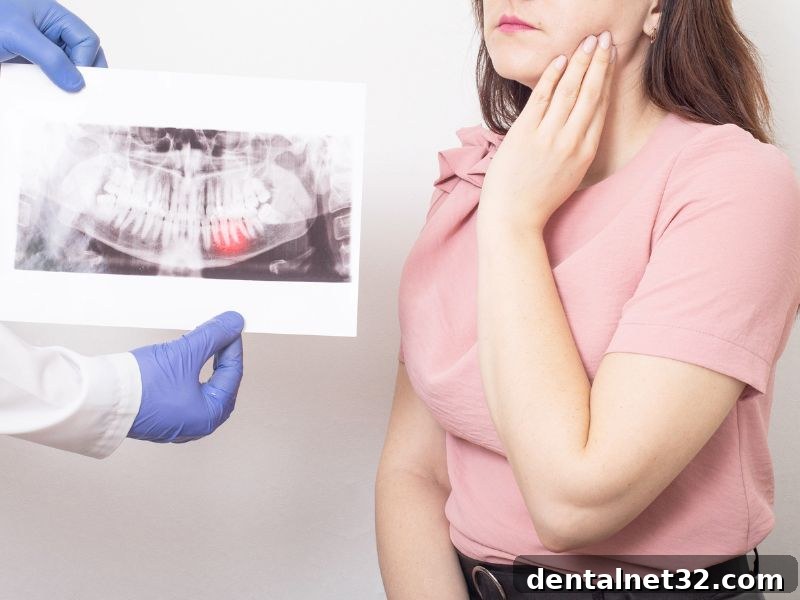
The phrase “wisdom tooth extraction” can often evoke a sense of apprehension. The thought of any dental surgery is enough to make many people anxious, largely due to the fear of pain and a difficult recovery. It’s a common rite of passage for teenagers and young adults, yet the anticipation can be daunting. However, understanding the process can transform this fear into confidence. Modern dentistry has made wisdom teeth removal a safe, routine procedure with manageable discomfort, leading to significant improvements in long-term oral health. This comprehensive guide will demystify the entire journey, from understanding why removal is necessary to navigating the procedure and ensuring a smooth recovery.
We will explore the reasons behind this common procedure, delve into the potential problems that unerupted or impacted wisdom teeth can cause, and walk you through the extraction process step-by-step. Furthermore, we’ll provide a detailed guide on post-operative care, offering practical tips to manage discomfort and promote rapid healing, so you can feel prepared and at ease.
Why Do We Need Wisdom Teeth Removed? A Look at Our Modern Jaws
Wisdom teeth, officially known as third molars, are the last set of teeth to emerge in the mouth, typically appearing between the ages of 17 and 25. Our ancient ancestors, with their larger jaws and coarser diets, needed these powerful molars to grind down tough, raw foods. However, human evolution has led to significant changes. Our diets have become softer and more processed, and as a result, our jaws have gradually become smaller over millennia. This evolutionary shift is at the heart of the wisdom tooth problem.
The modern human jaw is often too small to comfortably accommodate a full set of 32 teeth, which includes the four wisdom teeth. When these third molars attempt to erupt, they frequently run out of space. This lack of room is the primary reason why an estimated 85% of people will need to have their wisdom teeth removed. Instead of growing in straight and becoming functional chewing partners, they often become problematic, leading to a host of dental issues that are best addressed proactively through extraction.
Recognizing the Red Flags: Potential Problems with Wisdom Teeth
When wisdom teeth don’t have enough space to erupt properly, they can cause a cascade of dental problems. It is crucial to maintain regular dental check-ups during the late teen and early adult years to monitor their development. If you experience any of the following issues or symptoms, extraction is likely the recommended course of action.
- Impaction: This is the most common issue. An impacted wisdom tooth is one that is trapped beneath the gum line or in the jawbone and cannot fully erupt. This can be completely painless at first but is a ticking time bomb for future problems.
- Incorrect Angulation: Due to overcrowding, a wisdom tooth may grow at an awkward angle. It might grow towards the adjacent second molar, towards the back of the mouth, horizontally within the jawbone, or even downwards/upwards into the bone. This abnormal positioning can exert pressure on neighboring teeth, potentially causing damage, shifting, or resorption of their roots.
- Overcrowding and Shifting: The pressure from an erupting wisdom tooth can push other teeth out of alignment. This can undo years of expensive and time-consuming orthodontic work, leading to a crooked smile and bite problems.
- Increased Risk of Cavities and Gum Disease: Partially erupted or angled wisdom teeth are notoriously difficult to clean. Food particles and bacteria get trapped in the hard-to-reach areas and under the gum flaps (operculum) that can form over a partially erupted tooth. This creates a perfect breeding ground for decay in both the wisdom tooth and the adjacent, vital second molar.
- Pericoronitis (Infection): The gum flap over a partially erupted wisdom tooth can become inflamed and infected, a painful condition called pericoronitis. Symptoms include severe pain, swollen gums, bad breath, a foul taste in the mouth, and difficulty opening the jaw.
- Cyst Formation: In some cases, a fluid-filled sac called a cyst can develop around an impacted wisdom tooth. While benign, these cysts can expand and damage the jawbone, nerves, and nearby teeth if left untreated.
These underlying problems can manifest through a variety of symptoms, including:
- Persistent pain or a dull ache in the back of the jaw
- Swelling of the gums or face
- Jaw stiffness or difficulty opening your mouth
- Headaches or earaches
- Bad breath or an unpleasant taste that doesn’t go away
- Visible signs of infection or decay
The Wisdom Tooth Extraction Procedure: What to Expect
The extraction process is carefully planned to ensure patient safety and comfort. It typically takes less than an hour and begins with a thorough consultation, including X-rays, to assess the position and condition of the teeth. Based on the complexity, your dentist or oral surgeon will recommend the best approach.
To ensure you feel no pain during the procedure, you will be given anesthesia. There are several options available:
Local Anesthesia: This is the most common option for simple extractions. Your dentist will inject a numbing agent like lidocaine directly into the gum tissue around the tooth. You will remain fully awake and aware but will not feel any pain, only some pressure and movement. For added comfort, nitrous oxide (laughing gas) may be offered to help you relax.
IV Sedation: Often called “twilight sleep,” this involves administering a sedative through a vein in your arm. You will enter a state of deep relaxation and may drift in and out of consciousness. You will be numb and have little to no memory of the procedure afterward. This is a popular choice for patients with dental anxiety or more complex extractions.
General Anesthesia: For very complex cases or for patients with severe anxiety, general anesthesia may be used. You will be completely unconscious and asleep for the entire surgery and will be carefully monitored by an anesthesiologist. You will wake up after the procedure is complete with no memory of it.
During the surgery, the dentist will open the gum tissue over the tooth and remove any bone that is blocking access to the tooth’s root. The tooth may be removed in one piece or carefully sectioned into smaller pieces to make its removal easier and less traumatic to the surrounding area. Afterward, the site is cleaned, and stitches (often dissolvable) may be placed to close the wound and promote healing.
Your Guide to a Smooth Recovery After Wisdom Teeth Removal
Recovery is a crucial phase, and following your dentist’s instructions is key to preventing complications. While everyone heals differently, you can generally expect some swelling and mild discomfort for the first three to five days. Complete healing of the socket can take several weeks.
Here are essential do’s and don’ts for the first few days post-surgery:
Things You SHOULD Do
- Control Bleeding: Bite down gently but firmly on the gauze packs provided, changing them every 30-45 minutes as needed for the first few hours.
- Manage Swelling: Apply an ice pack to the outside of your cheek for 20 minutes on, 20 minutes off, for the first 24-48 hours. This will significantly reduce swelling and bruising.
- Control Pain: Take prescribed pain medication or over-the-counter anti-inflammatories (like ibuprofen) as directed by your doctor. It’s best to take the first dose before the local anesthetic wears off.
- Rest: Plan to take it easy for at least the first 24-48 hours. Keep your head elevated with pillows, even when sleeping, to minimize swelling.
- Stay Hydrated: Drink plenty of water and other clear fluids.
- Eat Soft Foods: Stick to a diet of liquids and very soft foods for the first few days. Think smoothies, yogurt, applesauce, mashed potatoes, and lukewarm soups.
- Practice Gentle Oral Hygiene: You can resume brushing your teeth on the second day, but be extremely careful to avoid the extraction sites. After 24 hours, you can begin gently rinsing your mouth with a warm saltwater solution (1/2 teaspoon of salt in a glass of warm water) after meals to keep the area clean.
Things You SHOULD NOT Do
- Do Not Use a Straw: The suction created by using a straw can dislodge the vital blood clot that forms in the socket. This can lead to a very painful condition called a dry socket.
- Do Not Smoke or Use Tobacco: Smoking severely impairs healing, increases the risk of infection, and is a leading cause of dry socket. Avoid it for at least a week.
- Do Not Spit Forcefully: Like using a straw, forceful spitting can dislodge the blood clot. Let excess saliva dribble out of your mouth instead.
- Do Not Eat Hard, Crunchy, or Sticky Foods: These foods can irritate the wound, get stuck in the socket, and delay healing. Also, avoid extremely hot or spicy foods.
- Do Not Engage in Strenuous Activity: Avoid exercise, heavy lifting, or bending over for several days, as it can increase bleeding and swelling.
Taking the Next Step for Your Oral Health
If your wisdom teeth are starting to emerge or if you’re experiencing any of the symptoms discussed, it’s essential to seek professional dental advice. A thorough examination and X-ray will determine if your wisdom teeth pose a threat to your oral health. Proactively removing problematic wisdom teeth is a safe and effective way to prevent future pain, infection, and damage to your other teeth. While the idea of surgery can be intimidating, it is a routine procedure that offers immense long-term benefits, ensuring your smile stays healthy and comfortable for years to come.