
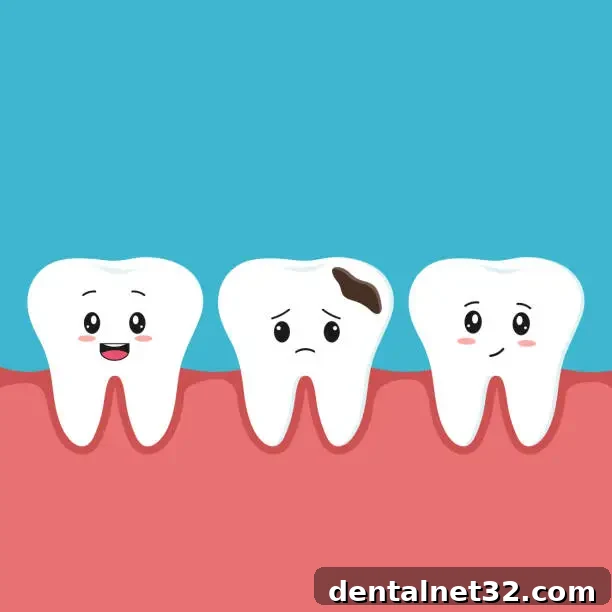
A Comprehensive Guide to Understanding Tooth Decay: From Prevention to Treatment
Welcome to our in-depth guide on one of the most common dental health issues worldwide: tooth decay. Also known as dental caries or cavities, this condition affects people of all ages but is largely preventable with the right knowledge and habits. Understanding how tooth decay begins, how to spot its early signs, and what modern treatment options are available is your best defense in maintaining a healthy, radiant smile for life. Let’s explore the complete journey of a cavity, from its silent beginnings to its effective treatment.
What Exactly Is Tooth Decay and How Does It Start?
Tooth decay is the gradual destruction of your tooth’s structure, caused by acids produced by bacteria in your mouth. This process doesn’t happen overnight; it’s a slow progression that can be halted and even reversed in its earliest stages. Here is a detailed breakdown of how a healthy tooth becomes vulnerable to decay:
- The Role of Sugar and Starch: The process begins with your diet. Bacteria that naturally live in your mouth feed on the sugars and starches from the foods and drinks you consume. This includes obvious culprits like candy and soda, but also less obvious ones like bread, crackers, and even fruit.
- Acid Production: As these bacteria metabolize the sugars, they produce harmful acids as a byproduct. These acids are the primary weapon against your teeth.
- Plaque Formation: These acids, combined with bacteria, food particles, and your saliva, form a sticky, colorless film called plaque. This biofilm clings tenaciously to your teeth, especially in hard-to-reach areas like between teeth and in the fissures of your molars.
- The Attack on Enamel: The acids trapped within the plaque begin to dissolve the minerals in your tooth’s hard outer layer, the enamel. This process is called demineralization. Your enamel is the strongest substance in your body, but it is not invincible against this constant acid attack.
- Cavity Creation: If the demineralization process continues without intervention, the enamel will weaken and break down, creating a small hole or opening. This is what we call a cavity. Once a cavity forms, the damage is permanent and requires professional dental treatment.
The 5 Stages of Tooth Decay: A Step-by-Step Progression
Understanding the stages of tooth decay can help you recognize the problem early and seek timely treatment. The earlier it’s caught, the simpler and less invasive the solution.
Stage 1: Initial Demineralization (White Spots)
The very first sign of decay is the appearance of chalky white or yellowish spots on the tooth’s surface. This indicates that the enamel has lost minerals due to acid exposure. At this stage, the decay is still reversible. With improved oral hygiene and professional fluoride treatments, the enamel can remineralize and repair itself.
Stage 2: Enamel Decay
If left untreated, the demineralization continues, and the enamel begins to break down beneath the surface. The surface may still be intact, but eventually, it will collapse, forming a small cavity. At this point, the damage is irreversible, and a dental filling will be necessary to restore the tooth.
Stage 3: Dentin Decay
Beneath the enamel is a softer, more porous layer called dentin. Once decay reaches the dentin, it spreads much more quickly. Dentin contains tiny tubes that lead directly to the tooth’s nerve. This is when many people start to experience sensitivity to hot, cold, or sweet foods, as these stimuli can now reach the nerve pathways.
Stage 4: Pulp Involvement
The pulp is the innermost part of the tooth, containing nerves and blood vessels. If the decay penetrates the dentin and reaches the pulp, it can become infected and inflamed. This condition, known as pulpitis, is often very painful and can lead to a persistent toothache. At this advanced stage, a root canal is typically required to save the tooth.
Stage 5: Abscess Formation
If the infection in the pulp is not treated, it can spread to the tip of the tooth’s root and into the surrounding bone, forming a pocket of pus known as an abscess. A dental abscess can cause severe pain, swelling in the jaw or face, and fever. This is a serious condition that can have systemic health consequences and may require a root canal or even tooth extraction.
Early Detection: Key Signs and Symptoms of Tooth Decay
Catching tooth decay early can save you from significant discomfort, expense, and complex dental procedures. Be vigilant and watch for these common warning signs:
- Persistent Toothache: A spontaneous ache or throbbing pain in a tooth that doesn’t go away is a classic sign of a problem.
- Increased Sensitivity: A sharp, sudden pain when consuming hot, cold, sweet, or acidic foods and drinks is a major red flag.
- Pain When Biting Down: Discomfort or sharp pain when you apply pressure to a tooth while chewing can indicate decay.
- Visible Holes or Pits: Any visible opening or pit in your tooth is a clear sign of a cavity that needs immediate attention.
- Discoloration or Stains: Pay attention to any new stains on your tooth’s surface, which can appear as white, brown, gray, or black spots.
- Bad Breath or a Bad Taste: Persistent bad breath (halitosis) or an unpleasant taste in your mouth that won’t go away can be caused by the bacteria associated with tooth decay.
Prevention: Your Best Strategy Against Cavities
Preventive care is the most effective, affordable, and painless way to combat tooth decay. A proactive approach to your oral health is your best line of defense. Follow these essential steps to keep your smile cavity-free.
1. Master Your Oral Hygiene Routine
A consistent and thorough daily routine is non-negotiable. Brush your teeth for at least two minutes, twice a day, using a fluoride toothpaste and a soft-bristled brush. Don’t forget to floss daily to remove plaque and food debris from between your teeth and under the gumline, where your toothbrush can’t reach.
2. Make Smart Dietary Choices
Limit your intake of sugary and starchy foods and drinks, as they are the primary fuel for cavity-causing bacteria. When you do indulge, try to do so with a meal rather than snacking throughout the day, which exposes your teeth to repeated acid attacks. Drink plenty of water, as it helps rinse away food particles and neutralize acids.
3. Schedule Regular Dental Checkups
Visit your dentist for professional cleanings and comprehensive exams at least twice a year. Professional cleanings remove hardened plaque (tartar) that you can’t remove at home. During your exam, your dentist can spot the earliest signs of decay and recommend treatment before the problem becomes more serious.
4. Harness the Power of Fluoride
Fluoride is a natural mineral that strengthens tooth enamel and makes it more resistant to acid attacks. It can even reverse the earliest stage of tooth decay. Ensure you’re using a fluoride toothpaste, and ask your dentist about professional fluoride treatments for an extra layer of protection.
5. Consider Dental Sealants
Dental sealants are a thin, protective coating applied to the chewing surfaces of the back teeth (molars). They act as a barrier, “sealing out” plaque and food from the deep grooves and fissures where cavities most often start, providing excellent protection for children and adults alike.
Advanced Treatment Options for Tooth Decay
If tooth decay does occur, modern dentistry offers several effective treatments. The best option for you will depend on the extent and stage of the decay.
- Fillings: The most common treatment for cavities. The dentist removes the decayed portion of the tooth and “fills” the area with a durable material like composite resin (tooth-colored), amalgam, or porcelain to restore its shape and function.
- Crowns: For more extensive decay or a weakened tooth, a crown (or cap) may be necessary. A crown is a custom-made cover that fits over the entire tooth, restoring its original shape, size, strength, and appearance.
- Root Canals: When decay reaches the tooth’s pulp, a root canal is performed to save the tooth from extraction. This procedure involves removing the infected pulp, cleaning and disinfecting the inner canals, and then filling and sealing the space.
- Tooth Extractions: In cases of severe decay where the tooth is too damaged to be saved, an extraction may be the only option. Removing the compromised tooth prevents the spread of infection and relieves pain. The missing tooth can then be replaced with a dental implant, bridge, or partial denture.
Your Partner in Lifelong Oral Health
Your dental health is a crucial component of your overall well-being. Don’t let tooth decay compromise your health, comfort, or confidence. Early intervention is the key to a simple and effective resolution. If you notice any signs of decay or have other dental concerns, it’s essential to act quickly.
Are you ready to take control of your dental health or looking for more expert advice? To schedule an appointment or speak with our friendly team, contact us today at (877) 880-1212. We are here to help you achieve and maintain a beautiful, healthy smile for years to come.