
A Comprehensive Guide to Spotting the Early Signs of Tooth Decay
Tooth decay, commonly known as cavities, is one of the most prevalent chronic diseases worldwide, affecting people of all ages. According to extensive research, including data from the National Institute of Dental and Craniofacial Research, a staggering majority of adults—over 90% in the United States alone—have had at least one cavity. While common, tooth decay is not inevitable. The key to preventing severe dental problems, costly procedures, and potential tooth loss lies in early detection and intervention. Understanding the first subtle warnings your body sends is crucial for maintaining optimal oral health.
This comprehensive guide is designed to empower you with the knowledge to identify the earliest signs of tooth decay. By being proactive and observant during your daily oral care routine, you can catch cavities in their infancy, when they are often reversible or require minimally invasive treatment. We will explore the complete lifecycle of a cavity, from the initial invisible changes to the more obvious symptoms, and provide actionable steps you can take to protect your smile for a lifetime.
Understanding the Early Warning Signs of Tooth Decay
A cavity doesn’t appear overnight. It is the result of a prolonged process where acids produced by plaque bacteria gradually erode the tooth’s hard outer layer, the enamel. This process, known as demineralization, has several distinct stages, each with its own set of symptoms. Paying close attention to your teeth while brushing and flossing can help you spot these early indicators and seek timely professional care.
Stage 1: White Spots on the Tooth Surface
One of the very first visible signs of tooth decay is the appearance of chalky white or opaque spots on the enamel. These spots signal the beginning of demineralization, a process where essential minerals like calcium and phosphate are leached from the enamel due to prolonged acid exposure. At this initial stage, the surface of the tooth is still intact, and there is no physical hole or cavity yet. These white lesions are often subtle and can be easily missed, but they are a critical warning sign. The good news is that at this point, the decay process can often be halted and even reversed. Professional fluoride treatments, improved oral hygiene, and dietary adjustments can help remineralize the enamel, effectively healing the tooth before a cavity forms.
Stage 2: Increased Tooth Sensitivity
As enamel demineralization continues, the protective outer layer of the tooth thins and weakens. This exposes the underlying layer, called dentin. Dentin is softer than enamel and contains thousands of microscopic tubules that lead directly to the tooth’s pulp, where the nerves and blood vessels are located. When these tubules are exposed, external stimuli can travel through them and trigger the nerve, resulting in a sharp, sudden jolt of pain. You might first notice this sensitivity when consuming hot coffee, a cold ice cream cone, or a sweet dessert. This sensitivity is a clear indication that the enamel barrier has been compromised and the decay process is advancing. Ignoring this symptom allows the decay to progress deeper into the tooth.
Stage 3: Lingering Pain and Discomfort
If tooth decay is left untreated, the sensitivity can evolve into more persistent and severe pain. You might experience a sharp, shooting pain when you bite down on food, as the pressure is transmitted to the compromised tooth structure and the sensitive pulp. As the decay nears the nerve, the pain may become a throbbing, spontaneous ache that occurs even when you are not eating or drinking. This type of pain often indicates inflammation or infection of the pulp (pulpitis) and is a sign of advanced decay. Seeking immediate dental care is essential to alleviate the pain, address the underlying cause, and prevent the infection from spreading, which could lead to an abscess.
Stage 4: Visible Pits, Holes, or Rough Texture
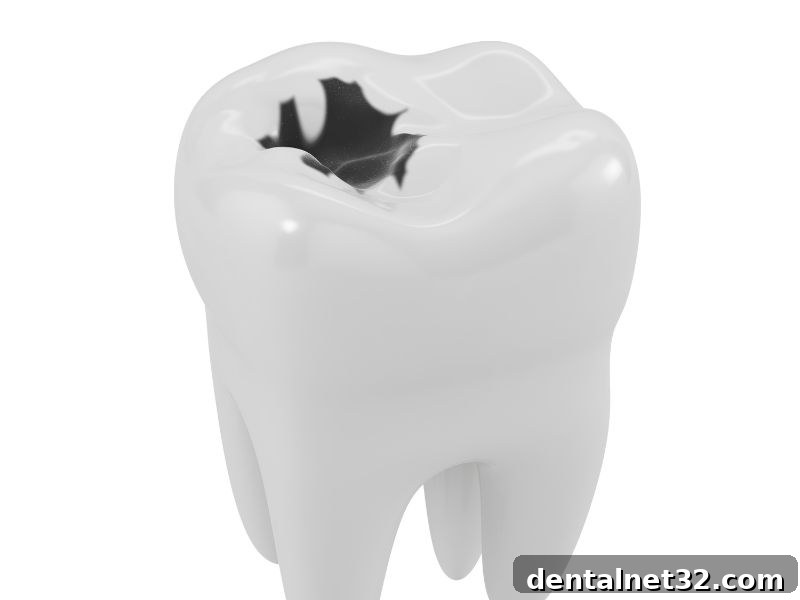
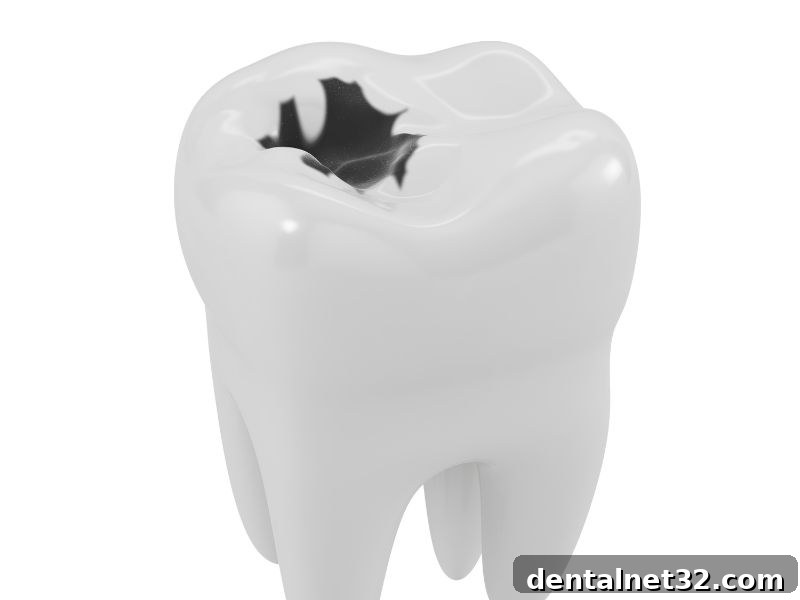
When the demineralization process outpaces the body’s ability to remineralize, the weakened enamel surface collapses, creating a physical hole or pit in the tooth. This is what most people recognize as a “cavity.” You may be able to see a small, dark hole on the surface of your tooth or feel a rough or jagged spot with your tongue. At this point, the damage is irreversible through natural means and requires professional dental intervention. The tooth structure that has been lost must be removed and replaced with a dental filling to restore the tooth’s shape, function, and integrity, and to prevent the decay from spreading further.
Stage 5: Noticeable Discoloration or Dark Spots
As a cavity develops and the tooth structure breaks down, it can appear discolored. While the earliest stage is marked by white spots, progressing decay often looks like a brown, gray, or even black stain on the tooth. This discoloration occurs as the decaying dentin beneath the enamel becomes exposed and stained by foods, drinks, and the byproducts of bacterial activity. It’s important to note that not all tooth discoloration is a sign of a cavity; stains from coffee, tea, or tartar buildup can also cause dark spots. However, any new or worsening discoloration should be evaluated by a dentist to determine the cause and ensure it isn’t active decay.
Stage 6: Persistent Bad Breath or an Unpleasant Taste
The bacteria responsible for tooth decay thrive in the protected environment of a cavity, feeding on food particles trapped within. As these bacteria metabolize sugars, they release foul-smelling volatile sulfur compounds. This can lead to persistent bad breath, also known as halitosis, that isn’t resolved by brushing, flossing, or using mouthwash. You might also notice a persistent sour, bitter, or metallic taste in your mouth. These symptoms are a direct result of the active bacterial infection and decaying matter within the cavity and are a strong indicator that you should schedule a dental visit.
What to Do If You Suspect You Have a Cavity
If any of the signs and symptoms described above seem familiar, it is crucial to take prompt action. Ignoring a potential cavity will only allow it to worsen, leading to more extensive damage, greater pain, and the need for more complex and expensive treatments. The first and most important step is to schedule an appointment with your dentist for a thorough examination. A dental professional has the tools and expertise to accurately diagnose the issue. This typically involves a visual inspection, the use of a special tool called a dental explorer to check for soft spots, and dental X-rays, which are essential for detecting decay between teeth or below the gum line.
A Proactive Approach: The Best Tips for Preventing Tooth Decay
While knowing the signs of decay is important, the ultimate goal is to prevent it from ever starting. A proactive approach to oral health is your best defense against cavities. By incorporating simple, consistent habits into your daily routine, you can significantly reduce your risk and maintain a healthy, beautiful smile.
Maintain Rigorous Oral Hygiene
A consistent and thorough oral hygiene routine is the cornerstone of cavity prevention. It works by mechanically removing dental plaque—the sticky film of bacteria that constantly forms on your teeth.
- Brush Thoroughly: Brush your teeth at least twice a day for a full two minutes each time. Use a soft-bristled toothbrush and a fluoride toothpaste. Angle the brush at 45 degrees toward the gum line and use gentle, circular motions to clean all surfaces of every tooth.
- Floss Daily: Flossing is not optional. It is the only way to remove plaque and food particles from between your teeth and under the gum line, areas your toothbrush cannot reach.
- Consider Mouth Rinse: Using an antimicrobial or fluoride mouth rinse can provide an extra layer of protection by reducing bacteria and helping to strengthen enamel.
Adopt a Tooth-Friendly Diet
What you eat and drink has a direct impact on the health of your teeth. The bacteria that cause cavities feed on sugars and starches, producing harmful acids.
- Limit Sugary and Acidic Items: Reduce your intake of sugary snacks, sodas, sports drinks, and candies. Be mindful of acidic foods and beverages like citrus fruits and juices, which can erode enamel directly.
- Eat a Balanced Diet: Focus on a diet rich in whole foods, including crunchy fruits and vegetables (which help clean teeth), dairy products (rich in calcium), and lean proteins.
- Drink Plenty of Water: Water, especially fluoridated water, is the best beverage for your teeth. It helps wash away food particles and acids and keeps you hydrated, which aids in saliva production—your body’s natural defense against decay.
Utilize Professional Dental Care
Even with the best at-home care, professional dental checkups and cleanings are essential for preventing cavities and maintaining overall oral health.
- Schedule Regular Checkups: Visit your dentist every six months, or as recommended. These appointments allow your dental team to identify and address potential issues, like early demineralization, before they become serious problems.
- Get Professional Cleanings: A dental hygienist can remove hardened plaque (tartar) that you cannot remove with a toothbrush and floss at home. Removing tartar is critical for preventing decay and gum disease.
- Ask About Preventive Treatments: Talk to your dentist about treatments like dental sealants—a thin, protective coating applied to the chewing surfaces of your back teeth to seal out plaque and food. Professional fluoride treatments can also be applied to help strengthen your enamel.
By recognizing the early signs of a cavity and committing to a preventive oral healthcare strategy, you can protect your teeth from decay. If you experience any discomfort or notice changes in your teeth, don’t hesitate to contact your local dentist. Early intervention is the key to preserving your natural teeth and ensuring your long-term oral health.