
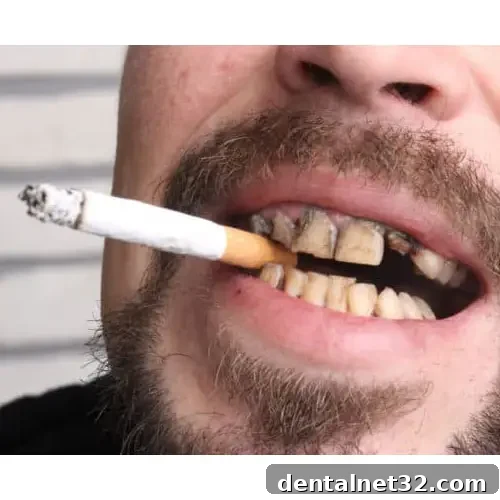
How Smoking Destroys Your Smile: The Ultimate Guide to Tobacco’s Impact on Oral Health
A bright, healthy smile is a powerful asset, boosting confidence and leaving a lasting impression. Many of us invest time and resources in maintaining our oral hygiene, from regular brushing and flossing to professional cleanings. However, one of the most destructive habits for your dental health is smoking. Beyond the well-known risks to your lungs and heart, tobacco use wages a silent war on your mouth, leading to stubborn stains, severe gum disease, and a host of other debilitating problems. If you’re looking for one more compelling reason to quit, understanding how smoking systematically ruins your smile might be the motivation you need.
The link between tobacco and poor oral health is undeniable. Tobacco smoke contains thousands of chemicals, including nicotine and tar, which are directly responsible for the unsightly yellow and brown stains that cling to tooth enamel. But the damage goes far deeper than the surface. Smoking creates an environment in your mouth where harmful bacteria thrive, accelerating the formation of dental plaque—the sticky, colorless film that causes tooth decay and gum inflammation. Let’s delve into the specific ways smoking impacts your teeth and gums and explore what you can do to reclaim your oral health.
The Science of Stains: Why Smoking Turns Teeth Yellow
One of the most immediate and visible effects of smoking is tooth discoloration. This occurs primarily due to two chemical culprits in cigarettes: nicotine and tar. While nicotine is naturally colorless, it turns a stubborn yellow when it combines with oxygen. Tar, on the other hand, is inherently dark brown or black. When you inhale smoke, these substances seep into the microscopic pores of your tooth enamel, the hard, protective outer layer of your teeth.
Over time, these particles accumulate, causing extrinsic stains that can range from a pale yellow to a deep, dark brown. Unlike stains from coffee or wine, tobacco stains are notoriously difficult to remove with regular brushing alone. The longer you smoke, the more these pigments penetrate deeper into the enamel and even the dentin (the layer beneath the enamel), leading to intrinsic discoloration that can become permanent. This persistent staining not only affects your appearance but is also an early warning sign of the more severe damage happening beneath the surface.
Fueling the Fire: Smoking, Plaque, and Tooth Decay
While stains are a cosmetic concern, smoking’s role in promoting plaque and tooth decay is a direct threat to the structural integrity of your teeth. Dental professionals often explain that smoking fundamentally alters the chemistry of your mouth, creating a perfect breeding ground for harmful bacteria. How does this happen? A key factor is the reduction in saliva production.
Smoking leads to a condition known as “dry mouth” or xerostomia. Saliva is your body’s natural defense mechanism for your teeth; it washes away food particles, neutralizes harmful acids produced by bacteria, and contains enzymes that fight infection. When saliva flow is diminished, bacteria are free to multiply unchecked. These bacteria feed on sugars in your diet and produce acids that eat away at your tooth enamel. This process leads to the rapid formation of dental plaque. If not removed through diligent brushing and flossing, this plaque hardens into tartar (or calculus), a crusty deposit that can only be removed by a dental professional. Tartar buildup along the gumline leads to cavities and is the primary catalyst for gum disease.
The Hidden Danger: Gum Disease and Tooth Loss
Perhaps the most devastating oral health consequence of smoking is its strong link to gum disease, also known as periodontal disease. Smokers are at a significantly higher risk—some studies suggest up to six times more likely—to develop this condition than non-smokers. This increased risk is due to a two-pronged attack on your gums.
- Weakened Immune Response: Smoking compromises your body’s immune system, making it harder to fight off infections, including the bacterial infection that causes gum disease.
- Reduced Blood Flow: Nicotine is a vasoconstrictor, meaning it narrows your blood vessels. This reduces the flow of oxygen and essential nutrients to your gum tissues, hindering their ability to heal and stay healthy.
This combination means that not only are smokers more likely to get gum disease, but the disease also progresses faster and is more difficult to treat. Early gum disease (gingivitis) may present with red, swollen gums that bleed easily. For smokers, however, these warning signs can be masked because the reduced blood flow may prevent the gums from bleeding. As the disease advances to periodontitis, the gums pull away from the teeth, forming pockets that become infected. The body’s response to this chronic infection, combined with the effects of smoking, leads to the breakdown of the bone and connective tissue that hold teeth in place. Ultimately, this can result in loose teeth and eventual tooth loss.
A Cascade of Complications: Other Oral Health Risks of Smoking
The damage from smoking doesn’t stop with stains, decay, and gum disease. The habit contributes to a range of other serious oral health issues:
- Bad Breath (Halitosis): The chemicals in tobacco smoke linger in the mouth and lungs, causing a distinct “smoker’s breath.” Dry mouth further exacerbates the problem, as there isn’t enough saliva to wash away odor-causing bacteria.
- Delayed Healing: The reduced blood flow caused by smoking significantly slows down the healing process after dental procedures like tooth extractions, periodontal treatment, or dental implant surgery. This increases the risk of complications, such as painful dry sockets and implant failure.
- Dulled Senses: Chronic smoking can dull your sense of taste and smell, diminishing your enjoyment of food and drink.
- Oral Cancer: This is the most frightening risk of all. The vast majority of oral, throat, and esophageal cancers are linked to tobacco use. The carcinogens in smoke trigger mutations in the cells of your mouth, leading to the development of life-threatening tumors.
Reclaiming Your Smile: Is It Possible to Reverse the Damage?
The good news is that much of the oral damage caused by smoking can be halted and, in some cases, reversed. The journey to a healthier smile begins with one crucial, non-negotiable step: quitting smoking. Once you stop, your body immediately begins to heal. Blood flow to your gums improves, your immune system starts to recover, and your risk of developing gum disease and oral cancer begins to drop.
After quitting, the next step is to partner with your dentist. A comprehensive dental plan to address tobacco-related damage may include:
- Professional Teeth Cleaning: A deep cleaning (scaling and root planing) is often necessary to remove the years of accumulated plaque and tartar from above and below the gumline.
- Teeth Whitening Treatments: For surface-level stains, professional in-office whitening or dentist-prescribed take-home kits can dramatically brighten your smile. For deeper, intrinsic stains, cosmetic solutions like dental bonding, veneers, or crowns may be recommended.
- Restorative Dentistry: Cavities will need to be filled, and teeth that are severely damaged may require crowns or even extraction. Solutions like dental implants or bridges can replace missing teeth, restoring both function and appearance.
- Gum Disease Therapy: If you have periodontitis, your dentist will recommend a course of treatment to manage the infection and prevent further bone loss.
Quitting smoking is one of the best decisions you can make for your overall health and the longevity of your smile. It opens the door to effective dental treatments and allows you to enjoy the confidence that comes with a healthy mouth. Take the first step today by scheduling a consultation with your dental provider to assess the damage and create a personalized plan to restore your smile.
Related Posts
Your Ultimate Guide to Professional Teeth Whitening
Learn about the different types of professional whitening treatments and find out which one is right for restoring your smile’s natural brilliance.
READ ON »
The Telltale Signs of Gum Disease You Shouldn’t Ignore
Discover the early warning signs of gingivitis and periodontitis and understand why early intervention is key to saving your teeth.
READ ON »
Beyond the Brush: Daily Habits for a Healthier Smile
Explore simple yet effective habits you can incorporate into your daily routine to combat plaque, strengthen enamel, and maintain optimal oral health.
READ ON »