
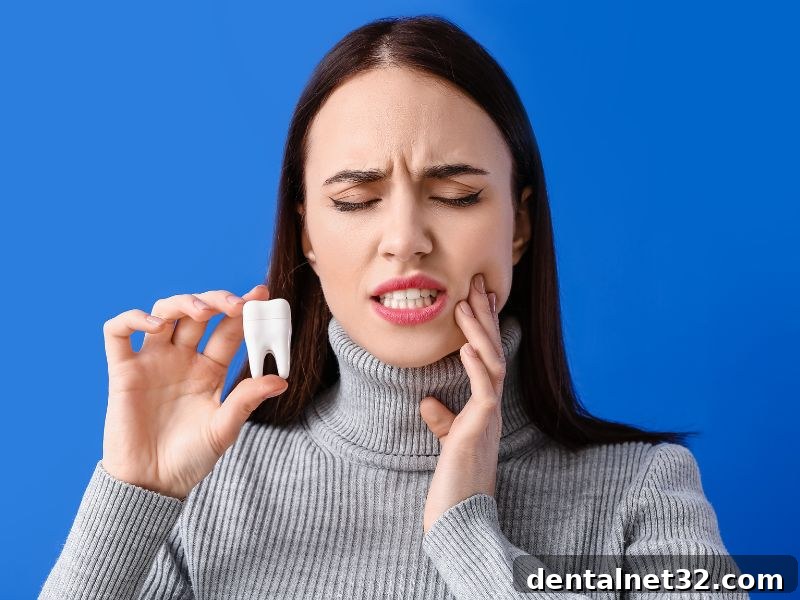
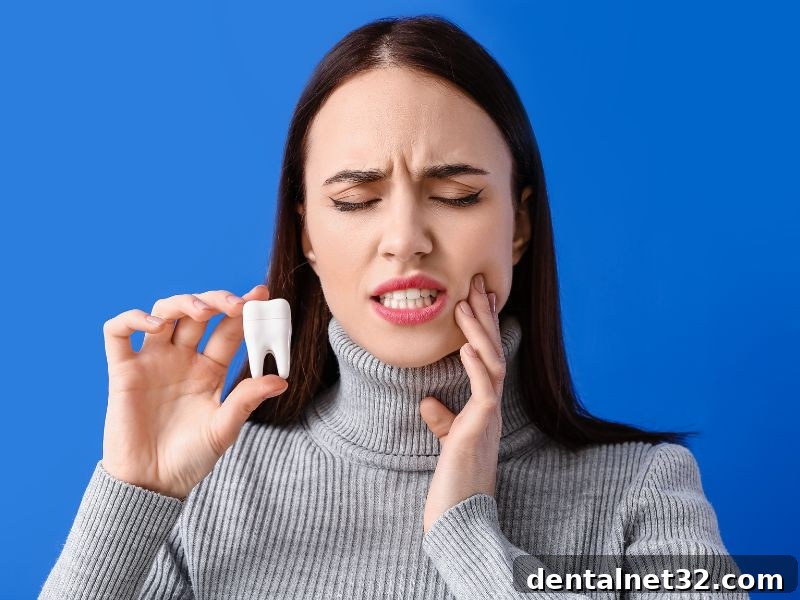
Have you ever felt a sharp, sudden pain in your tooth after a sip of hot coffee or a bite of ice cream? That jarring sensation could be more than just simple sensitivity; it might be a sign of pulpitis. This common dental issue, essentially an inflammation of the tooth’s inner pulp, is the primary culprit behind most toothaches and can escalate from a minor annoyance to a severe problem requiring an emergency dental visit.
Fortunately, when pulpitis is identified and addressed in its early stages, it is often completely reversible. Understanding the symptoms, causes, and available treatments is the first step toward protecting your oral health and finding relief from pain. This comprehensive guide will delve into the world of pulpitis, exploring the differences between its reversible and irreversible forms and outlining the path to recovery.
What Exactly is Pulpitis? A Deeper Look Inside Your Tooth
To understand pulpitis, you first need to understand the anatomy of your tooth. Beneath the hard outer layers of enamel and dentin lies a soft, living core called the dental pulp. This pulp is a vital network of nerves, blood vessels, and connective tissue. It acts as the tooth’s command center, providing nourishment to keep it healthy and alive, and serving as a sensory alarm system, signaling when something is wrong through sensations like pain.
Pulpitis occurs when this delicate pulp becomes inflamed. The inflammation is the body’s natural response to an irritant or injury. When bacteria from a deep cavity, trauma from a crack, or persistent pressure invades the tooth’s protective layers and reaches the pulp, the immune system sends an influx of blood and defensive cells to the area. However, because the pulp is encased in a rigid, unyielding chamber, this swelling increases pressure on the nerves, resulting in the characteristic pain of a toothache.
The Two Stages of Pulpitis: Reversible and Irreversible
Dentists categorize pulpitis into two main types based on the severity of the inflammation and the pulp’s ability to heal. Distinguishing between them is crucial as it dictates the necessary course of treatment.
- Reversible Pulpitis: This is the early, milder form of pulp inflammation. At this stage, the pulp is irritated and sensitive but remains healthy enough to recover once the source of the problem is eliminated. The pain associated with reversible pulpitis is typically sharp but brief, occurring only when a stimulus (like cold or sweet) is applied and disappearing quickly afterward. Think of it as a warning signal from your tooth.
- Irreversible Pulpitis: If the initial irritation is not treated, the inflammation can worsen, leading to irreversible pulpitis. In this advanced stage, the swelling and pressure inside the tooth have become so severe that blood flow to the pulp is compromised. The pulp cannot heal on its own and will eventually begin to die, a process known as pulp necrosis. The pain is more intense, can occur spontaneously without any trigger, and tends to linger long after a stimulus is removed.
Decoding the Symptoms: What Your Tooth is Telling You
The primary symptom of pulpitis is pain, but its nature, duration, and triggers can vary significantly between the two stages. Learning to recognize these differences can help you understand the urgency of your situation.
Symptoms of Reversible Pulpitis
If you have reversible pulpitis, your symptoms are a call for prompt dental care, but the situation is not yet critical. You might experience:
- A sharp, quick jolt of pain in response to sweet, cold, or sometimes hot foods and drinks.
- The sensitivity lasts only for a few seconds and disappears as soon as the trigger is gone.
- The pain is localized and you can usually pinpoint exactly which tooth is hurting.
- Your tooth does not hurt spontaneously or when you tap on it.
Symptoms of Irreversible Pulpitis
The symptoms of irreversible pulpitis are more severe and indicate a serious problem that requires immediate dental attention to save the tooth and prevent the spread of infection.
- Intense, throbbing, or dull, aching pain that can be severe enough to wake you up at night.
- Spontaneous pain that arises without any apparent cause.
- Sensitivity to cold or heat that lingers for 30 seconds or longer after the stimulus is removed.
- Pain when biting down or when the tooth is gently tapped.
- Swelling in the gums around the affected tooth or even in the cheek or jaw.
- Fever, bad breath, or a foul taste in the mouth, which are signs of a developing infection (abscess).
- Difficulty identifying the exact source of the pain, as it may feel like it’s radiating to other teeth, the jaw, or the ear.
What Causes Pulpitis? Identifying the Root of the Problem
Inflammation of the pulp doesn’t happen on its own. It’s always a reaction to an underlying issue that has compromised the tooth’s defenses.
Deep Dental Cavities
By far the most common cause of pulpitis is tooth decay. Bacteria in your mouth feed on sugars and produce acids that erode the tooth’s enamel. If left untreated, this decay progresses through the dentin and creates a pathway for bacteria to infiltrate the pulp chamber, triggering an inflammatory infection.
Tooth Trauma and Injury
A sudden impact to the mouth from an accident, fall, or sports injury can crack or fracture a tooth. Even a minor crack can be deep enough to expose the pulp to bacteria and oral fluids, leading to inflammation. Repeated micro-trauma, such as from chronic teeth grinding (bruxism) or chewing on hard objects like ice or pens, can also gradually damage the tooth and irritate the pulp.
Extensive Dental Work
Sometimes, the pulp can become irritated following a dental procedure like a deep filling, a crown preparation, or other restorative work. The heat generated by the dental drill or the chemicals used during the procedure can cause temporary inflammation. In most cases, this is reversible and subsides as the tooth heals. However, if decay was very close to the pulp, it may progress to an irreversible state.
Advanced Gum Disease (Periodontitis)
Severe gum disease can also lead to pulpitis. As periodontitis progresses, the gums pull away from the teeth, creating deep pockets where bacteria thrive. This infection can destroy the bone supporting the tooth and, in some cases, bacteria can enter the pulp through tiny channels in the tooth’s root, causing a combined periodontal-endodontic lesion.
Pulpitis Treatment: Pathways to Pain Relief
The treatment for pulpitis is entirely dependent on its stage. The primary goal is always to eliminate the cause of the inflammation and, if possible, preserve the vitality of the tooth.
Treating Reversible Pulpitis
For reversible pulpitis, the treatment is straightforward and highly effective. The key is to remove the irritant.
This typically involves your dentist removing the decay from a cavity and placing a filling to seal the tooth. If the cause is a faulty restoration, it will be repaired or replaced. Once the source of irritation is gone, the inflammation in the pulp will subside, and the tooth will return to a healthy, pain-free state.
Treating Irreversible Pulpitis
When the pulp is irreversibly damaged, more involved treatment is necessary to resolve the pain and infection.
- Root Canal Therapy: This is the standard treatment for saving a tooth with irreversible pulpitis. An endodontist (a root canal specialist) or your general dentist will carefully remove the infected or dead pulp tissue from inside the tooth. They then clean, disinfect, and shape the root canals before filling and sealing them. The tooth is no longer vital, but it can remain functional for many years. A dental crown is usually placed over the tooth afterward to protect it from fracture.
- Tooth Extraction: If the tooth is too severely damaged by decay or fracture to be restored, or if a severe infection has compromised the supporting bone, extraction may be the only option. After the tooth is removed, it’s important to discuss replacement options like a dental implant, bridge, or partial denture to maintain proper bite and prevent other teeth from shifting.
Prevention: The Best Defense Against Pulpitis
The most effective way to deal with pulpitis is to prevent it from ever happening. Practicing excellent oral hygiene and being proactive about your dental health are your best lines of defense.
- Practice Diligent Oral Hygiene: Brush your teeth thoroughly twice a day for two minutes with a fluoride toothpaste and floss at least once daily to remove plaque and bacteria from between teeth and along the gumline.
- Maintain a Healthy Diet: Limit your intake of sugary and acidic foods and drinks, which fuel the bacteria that cause tooth decay. Opt for a balanced diet rich in fruits, vegetables, and calcium to strengthen your teeth.
- Schedule Regular Dental Visits: See your dentist for routine checkups and professional cleanings every six months. These appointments allow your dentist to spot and treat potential problems like small cavities before they can reach the pulp.
- Protect Your Teeth: If you grind your teeth at night, ask your dentist about a custom-fitted night guard. If you participate in contact sports, always wear a protective mouthguard to prevent traumatic injuries.
- Don’t Ignore Sensitivity: If you experience any persistent tooth pain or sensitivity, schedule a dental appointment immediately. Early intervention is key to reversing pulpitis and avoiding more complex and costly treatments.
Take Action Against Tooth Pain
Tooth pain is a clear signal that something is wrong. Ignoring it can allow a simple, reversible problem to evolve into a serious infection that threatens your tooth and overall health. If you’re experiencing any of the symptoms of pulpitis, from fleeting sensitivity to severe, throbbing pain, it’s essential to consult your dentist for a proper diagnosis and treatment plan. Taking swift action can relieve your discomfort, save your tooth, and restore your oral health.