

Decoding Geographic Tongue: A Comprehensive Guide to Causes, Symptoms, and Management
Have you ever looked at your tongue in the mirror and noticed peculiar, map-like patterns on its surface? While it might seem alarming, you could be looking at a common and largely harmless condition known as Geographic Tongue. Medically termed benign migratory glossitis, this condition is more of a visual curiosity than a serious health threat. Understanding what it is, what causes it, and how to manage it can provide peace of mind and help alleviate any minor discomfort you might experience. This comprehensive guide will navigate the landscape of Geographic Tongue, offering clarity and practical advice.
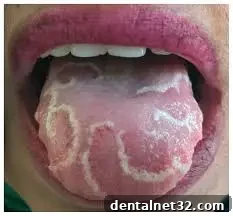
What Exactly Is Geographic Tongue?
Geographic Tongue is an inflammatory but non-threatening condition that affects the top surface and sides of the tongue. Its name comes from its distinct appearance: smooth, red patches (lesions) that are often irregularly shaped and surrounded by slightly elevated, white or yellowish borders. These patches give the tongue a “geographic” or map-like look. The term “benign migratory glossitis” perfectly describes it:
- Benign: It is not cancerous or associated with any serious long-term health problems.
- Migratory: The most fascinating aspect of this condition is that the patterns are not static. The patches can heal in one area and appear in another, changing their size, shape, and location over days, weeks, or even hours. This “migration” is a key diagnostic feature.
- Glossitis: This simply means inflammation of the tongue.
The red “islands” on the map are areas where the tiny, finger-like projections on the tongue, known as papillae, have temporarily disappeared. This makes the surface smooth and red. The whitish borders are areas of slightly overgrown or inflamed papillae.
Who Gets Geographic Tongue and Why? Exploring the Causes and Triggers
Geographic Tongue can appear at any age, from childhood to adulthood, though it is more frequently diagnosed in adults. The precise cause remains a mystery to the medical community, but research points to several contributing factors and potential triggers that can initiate or worsen a flare-up. It is not contagious and cannot be passed from one person to another.
Potential Causes and Associated Factors:
- Genetic Predisposition: The condition often runs in families, suggesting a strong genetic link. If your parents or siblings have it, you may have a higher chance of developing it yourself.
- Fissured Tongue: There is a significant correlation between Geographic Tongue and Fissured Tongue, a condition characterized by deep grooves on the tongue’s surface. Many individuals have both conditions simultaneously.
- Psoriasis: Studies have shown an increased prevalence of Geographic Tongue in individuals with psoriasis, an autoimmune skin condition. This suggests a possible shared inflammatory or autoimmune pathway.
- Hormonal Fluctuations: Some women report a connection between their flare-ups and their menstrual cycle or the use of oral contraceptives, indicating that hormonal changes can play a role.
- Allergies and Atopy: People with a history of allergies, eczema (atopic dermatitis), or asthma seem to be more susceptible. This points to a hypersensitivity or allergic component.
Common Triggers for Flare-Ups:
While the underlying cause may be genetic or systemic, certain triggers are known to exacerbate the symptoms or make the patterns more pronounced:
- Dietary Irritants: Certain foods are notorious for causing discomfort or a flare-up. These typically include highly acidic foods (citrus fruits, tomatoes, pineapple), spicy foods (hot peppers, curry), and excessively salty snacks.
- Emotional Stress: High levels of stress and anxiety are frequently linked to flare-ups of many inflammatory conditions, and Geographic Tongue is no exception.
- Nutritional Deficiencies: A lack of certain vitamins and minerals, particularly zinc, iron, folic acid, and B vitamins (especially B6 and B12), has been associated with the condition.
- Certain Toothpastes or Mouthwashes: Some individuals find that products with abrasive ingredients, tartar-control agents, heavy flavoring (like intense cinnamon or mint), or alcohol can irritate their tongue and trigger an episode.
Symptoms: More Than Just Appearance
For a majority of people, Geographic Tongue is completely asymptomatic. They may be unaware they have it until it’s pointed out during a routine dental examination. However, for a notable minority, the condition can cause a range of symptoms, including:
- Mild to Moderate Discomfort: A general feeling of sensitivity or irritation on the tongue.
- Burning or Stinging Sensation: This is the most common complaint, often intensified when eating the trigger foods mentioned above.
- Increased Sensitivity: The tongue may feel more sensitive to heat, certain textures, or chemicals in food and oral care products.
- A Slight Numbness or Tingling: In some rare cases, individuals may report an unusual sensation in the affected areas.
These symptoms can fluctuate in intensity, often corresponding to the severity of the visible patterns on the tongue. During a remission period, the tongue may look and feel completely normal.
Diagnosis: How Do You Know It’s Geographic Tongue?
Diagnosing Geographic Tongue is typically straightforward and is done through a simple clinical examination. A dentist or doctor will look at your tongue and review your medical history. The characteristic map-like appearance and your report of the patterns changing or moving are usually enough to confirm the diagnosis. Further testing is rarely needed. However, a healthcare professional will also want to rule out other conditions that can have a similar appearance, such as:
- Oral Candidiasis (Thrush): A fungal infection that can cause white patches, but these can usually be scraped off, unlike the borders of Geographic Tongue.
- Lichen Planus: An inflammatory condition that can create lacy white lines or sores in the mouth.
- Leukoplakia: A condition that causes thick, white patches that cannot be scraped away and may be precancerous.
This is why it’s essential to get a professional diagnosis if you notice any persistent or unusual changes in your mouth, even if you suspect it’s something harmless like Geographic Tongue.
Managing Geographic Tongue: Tips for Comfort and Care
Since Geographic Tongue is a benign condition, there is no “cure,” and treatment is generally not necessary unless you are experiencing significant discomfort. Management focuses on identifying and avoiding triggers and soothing symptoms during a flare-up.
Effective Management Strategies:
- Identify and Avoid Dietary Triggers: Keep a food diary to pinpoint which foods worsen your symptoms. Common culprits to limit or avoid include spicy foods, acidic fruits, salty snacks, and very hot beverages.
- Practice Gentle Oral Hygiene: Use a soft-bristled toothbrush and a mild, non-abrasive toothpaste. Consider switching to a toothpaste designed for sensitive mouths, free of harsh detergents like Sodium Lauryl Sulfate (SLS). Avoid alcohol-based mouthwashes, which can be irritating.
- Manage Stress Levels: Since stress is a major trigger, incorporating stress-reduction techniques into your daily routine can be highly beneficial. This could include mindfulness, meditation, yoga, regular exercise, or engaging in relaxing hobbies.
- Address Nutritional Gaps: Maintain a well-balanced diet. If you suspect a deficiency, consult your doctor about testing and whether supplements like B-complex vitamins or zinc might be helpful.
- Soothe Discomfort: For painful flare-ups, your dentist may recommend over-the-counter pain relievers, anesthetic mouth rinses, or antihistamine rinses to reduce inflammation.
When to Seek Professional Guidance
While Geographic Tongue is not a dangerous condition, it is always wise to consult a dental professional if you have concerns. You should schedule an appointment if:
- The patches persist for more than two weeks without changing or moving.
- You experience severe, persistent pain or discomfort that interferes with eating or talking.
- You notice any sores, ulcers, lumps, or white patches that look different from the usual pattern.
Conclusion: Your Partner in Oral Health
Geographic Tongue is a unique and dynamic condition that, for most, is simply a fascinating part of who they are. Understanding that it is benign, non-contagious, and manageable can alleviate any anxiety its appearance might cause. By practicing gentle oral care, managing your diet and stress levels, and maintaining regular dental check-ups, you can ensure your mouth remains healthy and comfortable.
Your oral health is a vital window into your overall well-being. By staying informed and proactive, you can confidently navigate any condition, from the common to the complex. If you have any more questions about Geographic Tongue or want to schedule a comprehensive oral examination, our team is here to provide expert care and personalized advice for all your dental needs.
To learn more about maintaining optimal oral health or to schedule a consultation, please contact our office. Our dedicated team is committed to supporting you on your journey to a healthy, confident smile.