
Understanding and Preventing Dry Socket: A Comprehensive Guide to Post-Extraction Healing
Having a tooth extracted is a common dental procedure, and for most people, the recovery is straightforward. However, a potential complication known as dry socket, or alveolar osteitis, can cause significant discomfort and delay the healing process. Understanding what a dry socket is, how to identify its symptoms, and most importantly, how to prevent it, is crucial for a smooth and comfortable recovery. This comprehensive guide will walk you through everything you need to know about navigating the post-extraction period successfully, ensuring your oral health is protected every step of the way.
What Exactly Is a Dry Socket (Alveolar Osteitis)?
To understand dry socket, it’s first essential to know what a normal healing process looks like. After a tooth is removed, the empty space in your jawbone is called a socket. Almost immediately, your body begins the healing process by forming a blood clot in this socket. This blood clot is not just a simple scab; it is a vital, protective foundation for the entire recovery.
The Critical Role of the Blood Clot
Think of the blood clot as a natural bandage. It serves several critical functions:
- It protects the underlying bone and nerve endings in the empty socket from exposure to air, food particles, fluids, and bacteria.
- It provides a framework for new bone and soft tissue to grow, effectively laying the groundwork for complete healing.
- It contains essential cells that help initiate the tissue regeneration process.
Dry socket (alveolar osteitis) occurs when this crucial blood clot either fails to form in the first place, becomes dislodged, or dissolves too early—typically within the first few days after the extraction. When the clot is gone, the sensitive bone and nerves underneath are left exposed, leading to intense pain and interrupting the natural healing cascade.
Key Symptoms: How to Recognize a Dry Socket
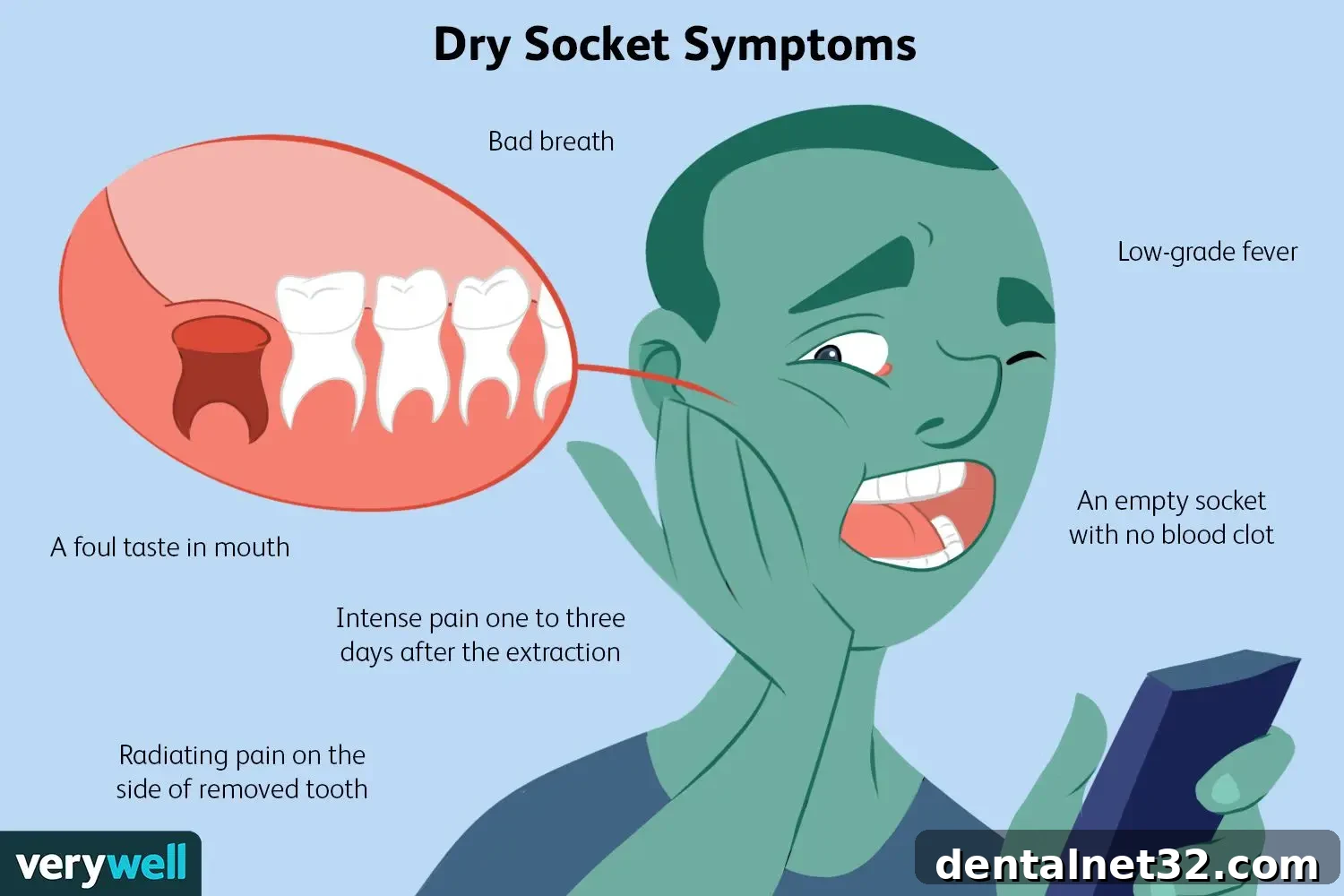
While some discomfort is normal after a tooth extraction, the pain associated with a dry socket is distinct and typically emerges two to four days after the procedure. If you are healing normally, your pain should gradually decrease each day. If it suddenly worsens, you should pay close attention. Key symptoms to watch for include:
- Intense, Throbbing Pain: This is the hallmark symptom. It’s not a dull ache but a severe, persistent pain that may not be managed by over-the-counter pain relievers. The pain often radiates from the extraction site to your ear, eye, temple, or neck on the same side of your face.
- Visible Bone in the Socket: A quick, gentle look in the mirror might reveal an empty-looking socket. Instead of a dark red blood clot, you might see the whitish, yellowish color of the jawbone.
- Unpleasant Taste and Odor: The exposed socket can trap food particles and bacteria, leading to a foul odor (halitosis) and an unpleasant taste in your mouth that persists even after rinsing.
- Partial or Total Loss of the Blood Clot: The socket may appear empty or hollow, which is a clear sign that the protective clot is missing.
If you experience any of these symptoms, it is vital to contact your dentist or oral surgeon immediately for evaluation and treatment.
What Causes Dry Socket? Identifying the Primary Risk Factors
While the exact cause of every case of dry socket isn’t always known, several risk factors can significantly increase your chances of developing this painful condition. These factors can be categorized as mechanical, chemical, and biological.
- Mechanical Dislodgement: Physical actions that create suction or pressure in the mouth are the most common culprits. This includes drinking through a straw, smoking, vigorous spitting, or aggressive rinsing. These actions can physically pull the blood clot out of the socket.
- Chemical Factors (Smoking and Tobacco): Nicotine from cigarettes, vapes, or chewing tobacco constricts blood vessels, reducing blood supply and oxygen to the healing socket. This can prevent a healthy clot from forming and slow down the entire healing process. The act of inhaling also creates negative pressure.
- Hormonal Influences: Studies have shown that women, particularly those taking oral contraceptives, may have a higher risk of developing dry socket. The high estrogen levels in these pills are thought to interfere with the natural healing and clot dissolution process.
- Extraction Complexity: The removal of impacted wisdom teeth or a particularly difficult extraction that involves more surgical trauma can increase inflammation and the likelihood of developing a dry socket.
- Personal History: If you have had a dry socket in the past, you are at a higher risk of experiencing it again in the future.
– Bacterial Contamination: Pre-existing conditions like gum disease or poor oral hygiene can introduce bacteria into the socket, which may break down the blood clot.
Your Proactive Guide to Preventing Dry Socket
Prevention is, without a doubt, the best strategy. By carefully following your dentist’s post-operative instructions, you can dramatically reduce your risk. Here are the most important steps to take:
Immediate Post-Extraction Care (First 24-48 Hours)
The first two days are the most critical for clot formation and stability. Focus on rest and protecting the site.
- Gauze and Pressure: Bite down gently but firmly on the gauze pack your dentist places over the site. Keep pressure on it for 30-60 minutes after the procedure to help a firm clot form.
- Rest: Avoid any strenuous physical activity for at least 48-72 hours. Increased blood pressure can cause bleeding and dislodge the clot.
- Head Elevation: When resting or sleeping, use an extra pillow to keep your head elevated. This helps reduce swelling and bleeding.
Maintaining Oral Hygiene Safely
Keeping your mouth clean is essential, but it must be done with care.
- Gentle Rinsing: Do not rinse, spit, or swish for the first 24 hours. After that, you can begin gently rinsing with a warm saltwater solution (1/2 teaspoon of salt in 8 ounces of water) after meals and before bed. Let the water simply fall out of your mouth into the sink rather than spitting forcefully.
- Careful Brushing: You can brush your teeth the night of the surgery, but be extremely careful to avoid the extraction site. Brush the surrounding teeth gently.
Smart Dietary Choices for Healing
- Stick to Soft Foods: For the first few days, consume only soft foods and liquids, such as yogurt, applesauce, mashed potatoes, smoothies, and soups.
- Avoid Problematic Foods: Steer clear of hot, spicy, crunchy, or chewy foods that could irritate the wound or leave particles in the socket. Avoid foods with small seeds (like strawberries or sesame seeds) that can get stuck.
Lifestyle Adjustments: What to Avoid
- The “No Suction” Rule: This is non-negotiable. Do not use a straw for at least one week. Avoid smoking, vaping, or any action that creates suction in your mouth.
- Tobacco and Alcohol Abstinence: Refrain from all tobacco products for as long as possible, but for a minimum of 72 hours after surgery. Avoid alcohol for at least the first 24 hours, as it can interfere with the healing process and react with pain medication.
Effective Treatment Pathways for Dry Socket
If you do develop a dry socket despite your best efforts, don’t panic. While it is painful, it is a highly treatable condition. The primary goals of treatment are to relieve your pain and encourage the socket to heal.
Professional Dental Intervention
Your dentist is your best resource for treating dry socket. The process typically involves:
- Socket Cleaning and Irrigation: Your dentist will gently flush the socket with a sterile saline solution to remove any trapped food debris or bacteria that are causing irritation and pain.
- Medicated Dressings: After cleaning the socket, your dentist will often place a medicated dressing inside. This dressing is usually a paste or gauze containing substances like eugenol (clove oil), which has sedative properties that soothe the exposed nerve and dramatically reduce pain. This dressing may need to be changed every day or two until your symptoms subside.
- Pain Management: Your dentist may recommend a specific over-the-counter pain reliever or provide a prescription for a stronger medication to help you manage the discomfort as the healing process gets back on track.
Conclusion: Taking Control of Your Oral Health Recovery
A tooth extraction is a significant dental event, and a smooth recovery is key to your overall comfort and health. Dry socket, while a daunting prospect, is largely preventable by adhering to proper aftercare guidelines. By understanding the vital role of the protective blood clot and taking deliberate steps to safeguard it, you empower yourself to heal quickly and effectively. Remember to rest, eat soft foods, practice gentle oral hygiene, and avoid any activities that could create suction or pressure in your mouth. If you suspect any issues or experience a sudden increase in pain, immediate communication with your dental professional is the most important step you can take. They can provide swift treatment to alleviate pain and ensure your healing journey continues on the right path toward a healthy, pain-free smile.